What's Happening in Alaska Matters For Your Public Lands
Header Photo: Florian Schulz / ProtectTheArctic.org
When most Americans think of the Arctic in Alaska, they typically imagine a remote, frozen wilderness. While the Arctic is indeed remote, the region holds an abundance of wildlife, Indigenous peoples who have subsisted off of these lands for millennia, essential breeding grounds for the world’s migratory bird populations, and rugged, wild landscapes too precious to lose.
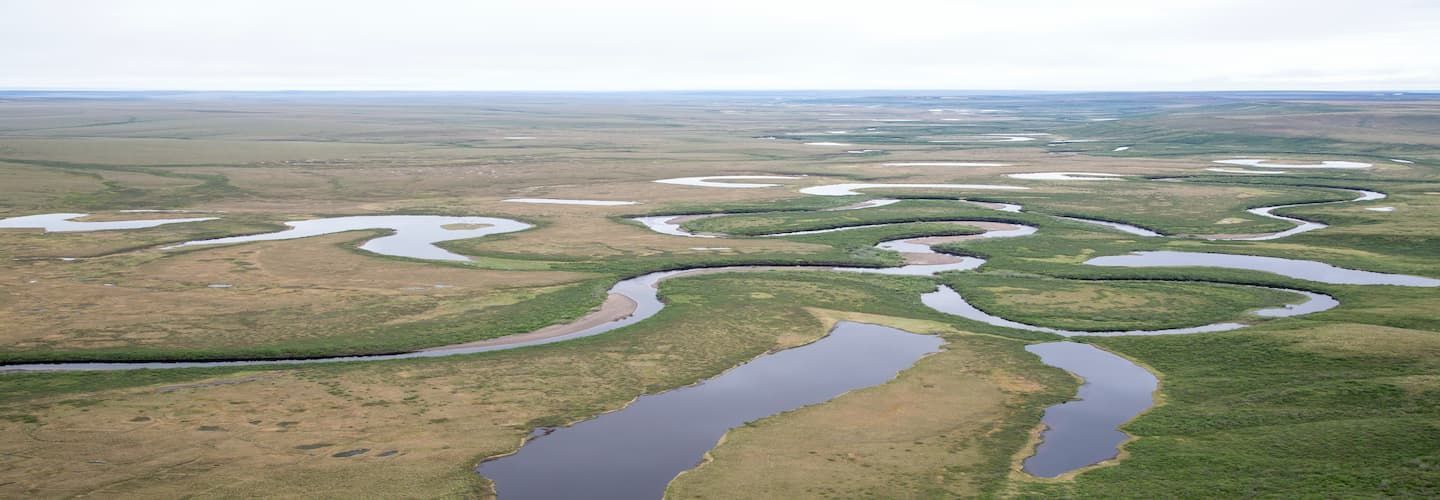
An essential landscape of this region is the Western Arctic, covering more than 23 million acres of Alaska’s northern coastline between the crest of the Brooks Range and the Arctic Ocean.
The Western Arctic, also referred to as the NPR-A, is a critical part of the last intact ecosystem on Earth. What happens here impacts everyone on the planet.
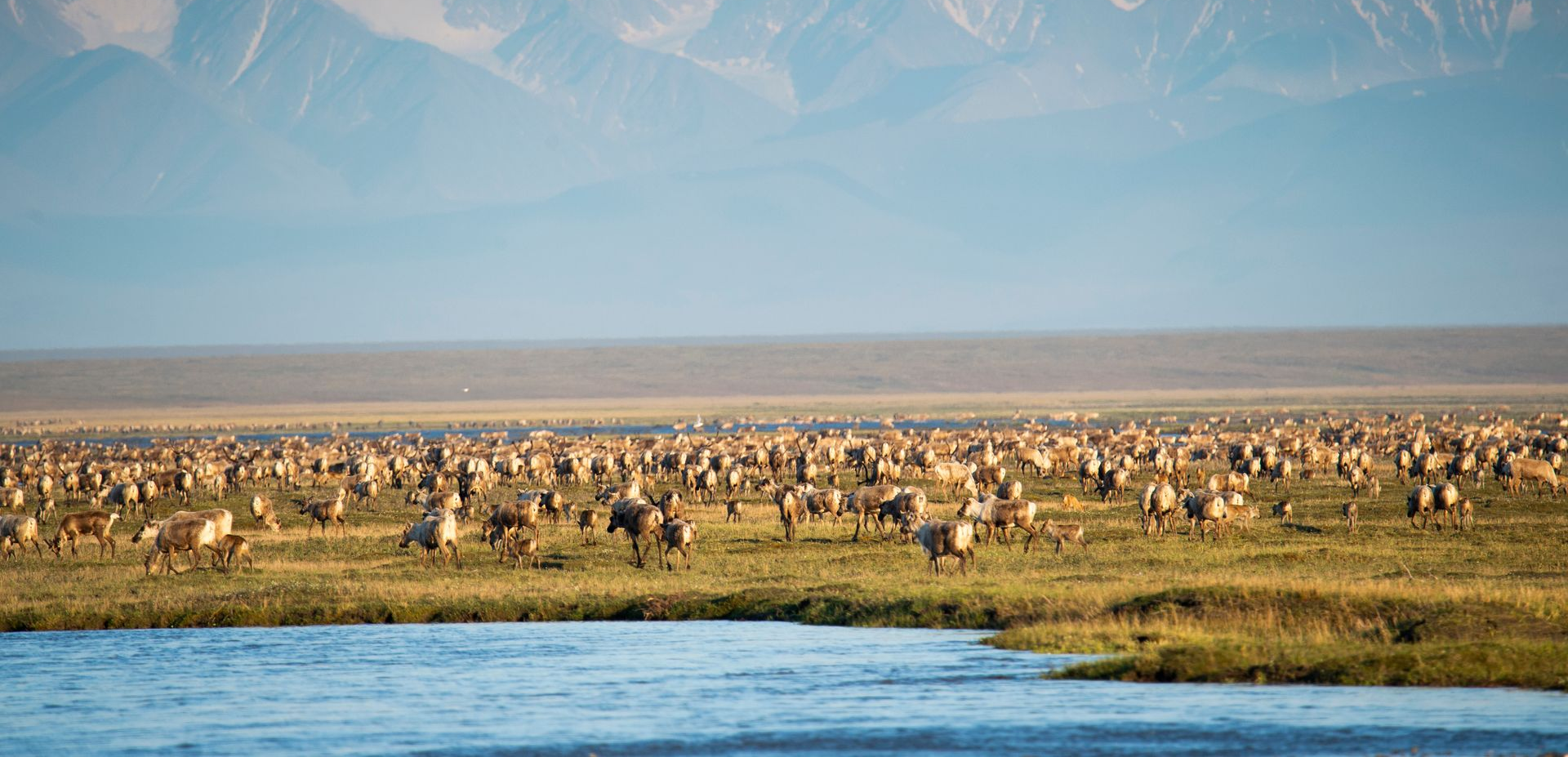
Caribou calve here. Arctic wetlands stretch to the horizon. The traditional practices and cultures of the Gwich’in and Iñupiat peoples are intricately tied to the future of this land. Every spring, millions of migratory birds from all 50 states and every continent pass through on their way north.
The Western Arctic represents one of the most exceptional and climate-critical landscapes in the world, yet there are aggressive efforts to open this fragile ecosystem to polluting fossil-fuel development.
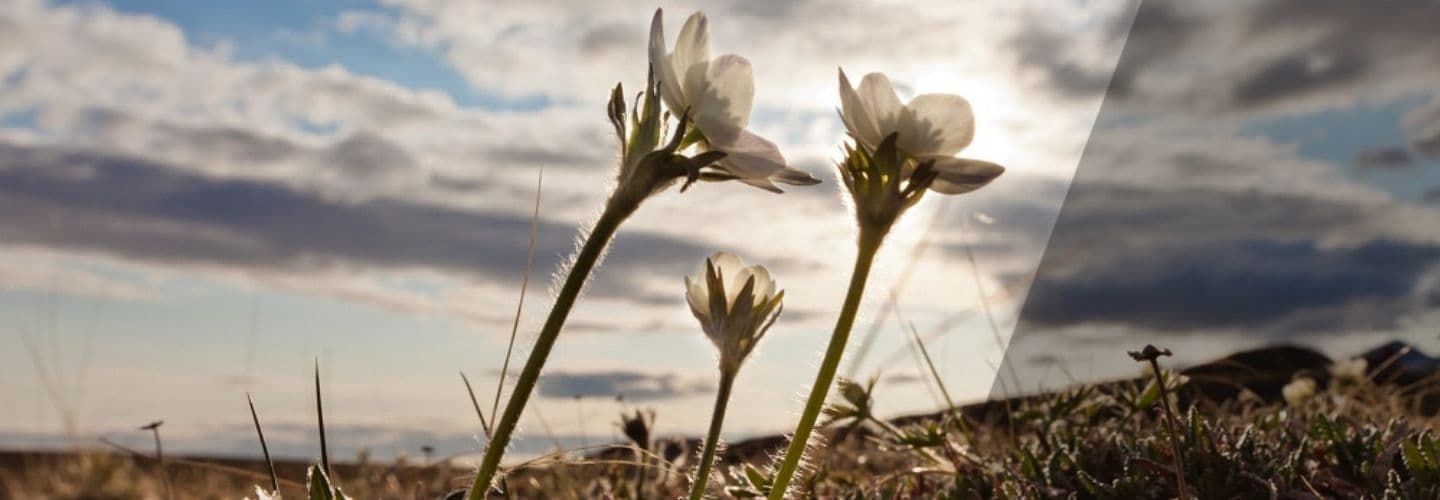
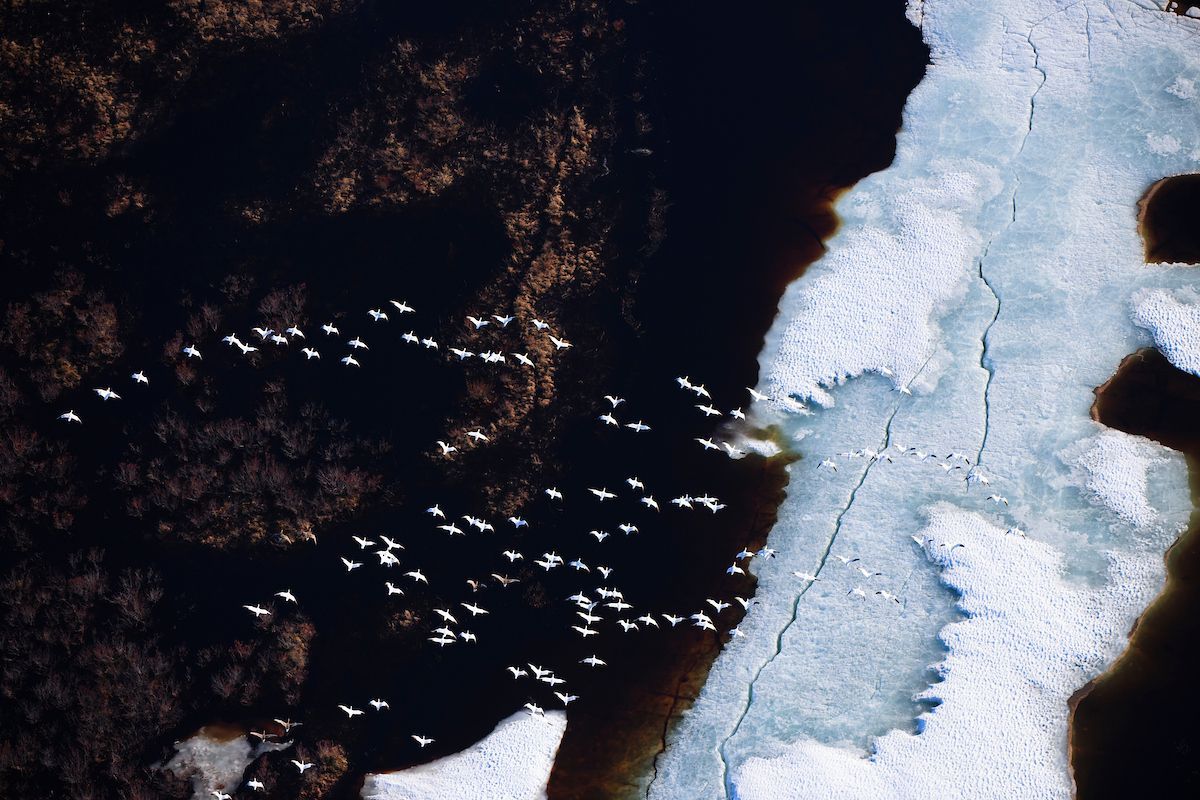
The Western Arctic provides critical breeding destinations for migratory birds from all seven continents. Photo by Florian Schulz
What's Going On?
Following the administration’s earlier action to open 80 percent of the Western Arctic to oil and gas development, the Bureau of Land Management is now heeding an oil and gas industry request to gut environmental review for oil and gas development across the landscape. Instead of evaluating each project's impact on wildlife, Indigenous communities, and the ecosystem, this new rulemaking would let production sites and major infrastructure skip site-specific review in favor of rubber-stamp approvals possible in as little as 60 days.
Interior Secretary Doug Burgum has pointed to the controversial Willow Project as sufficient cover for ALL future projects, even though the Willow’s approval is still being challenged in court.
This new rubber-stamp approval process could shape a new permitting framework for future oil and gas expansion across the Western Arctic. These projects comprise far more than one oil rig. They require production sites, gravel pads, access roads, pipelines, supporting facilities, flight and vehicle traffic, and other massive industrial infrastructure.
If adopted, this rule change will open the floodgates for oil and gas development across the Western Arctic while weakening safeguards for wildlife, Indigenous communities, and some of the Arctic's most important wildlife habitats.
What’s being done in the northern reaches of Alaska – from what they hope is far from public scrutiny and attention – will be used as a playbook for public lands across the rest of the country.
The Bureau of Land Management is accepting public comments on the proposal through July 6, 2026. Time is of the essence to prevent this enormous public land giveaway.
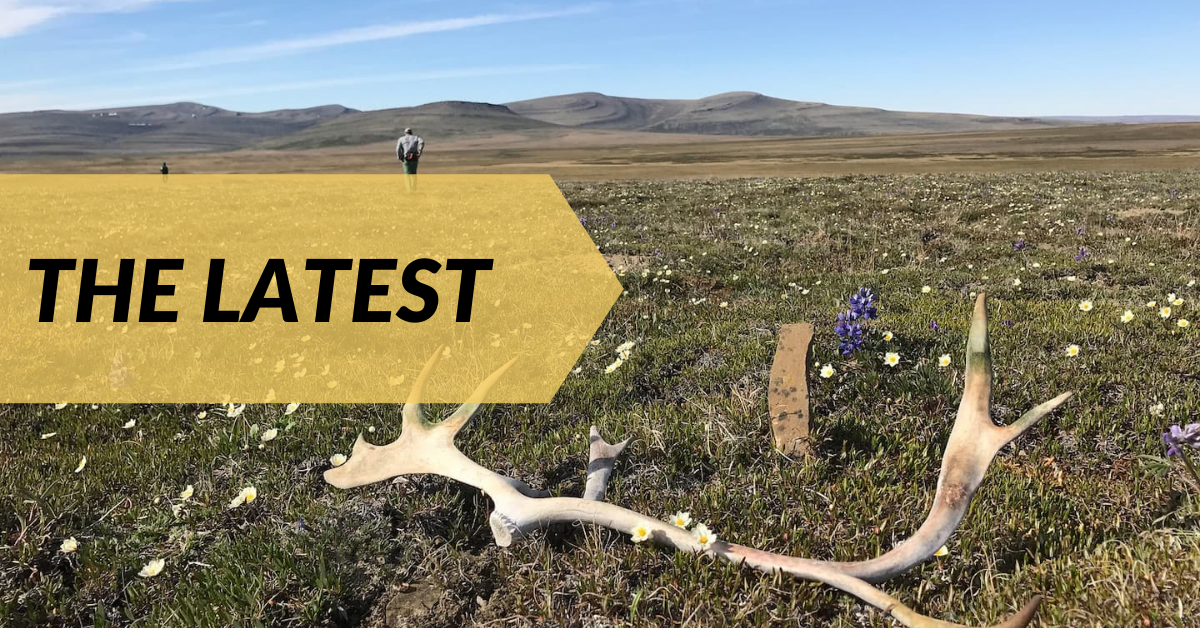
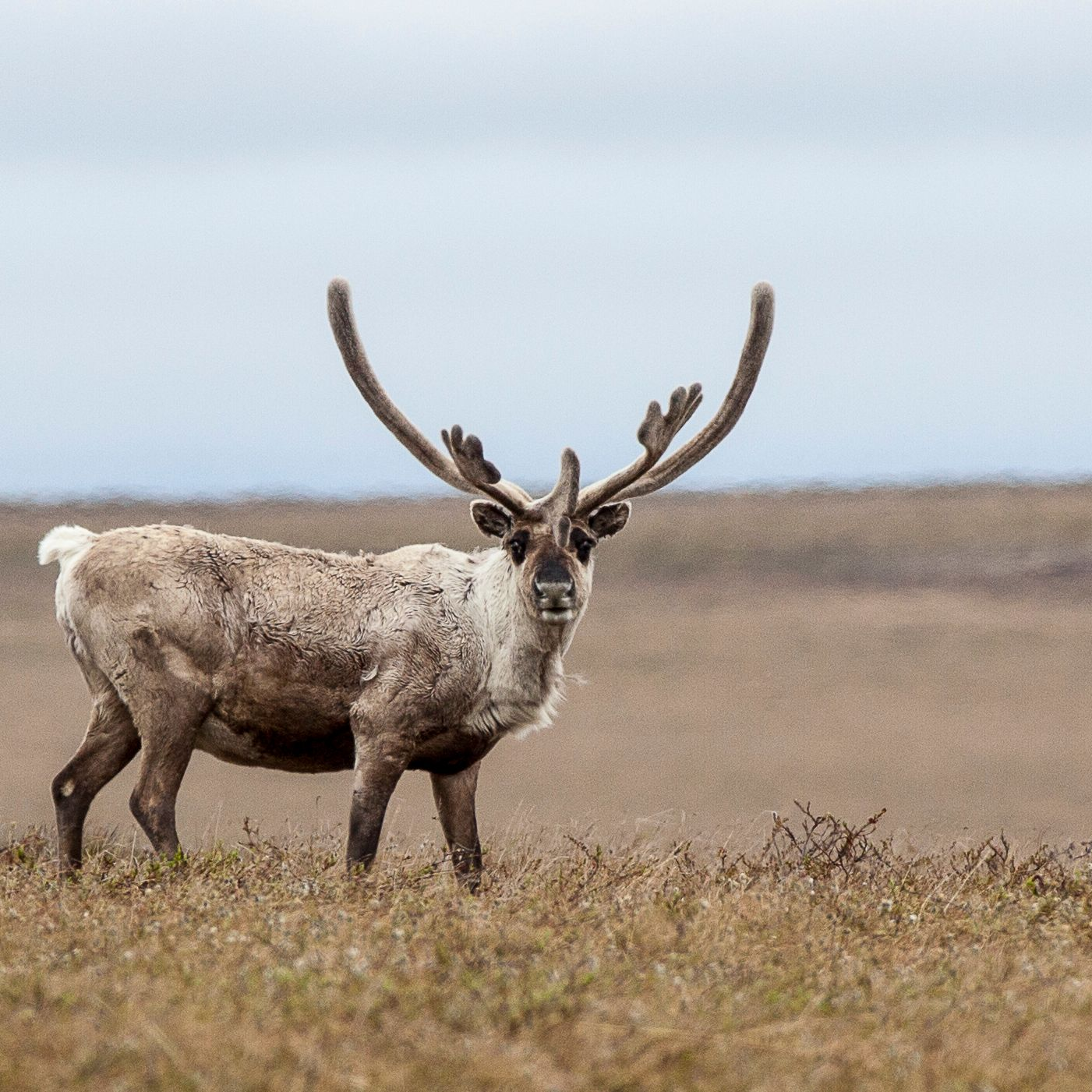
Caribou (tutu in Inupiaq) are culturally, spiritually, and economically important to Indigenous communities across the Arctic. | Photo by Bob Wick
An Acceleration of Attacks on the Western Arctic
Since taking office, the Trump administration and its allies in Congress have gone after irreplaceable and priceless public lands across the country, with a heavy focus on the Western Arctic.
In 2025, Congress abused the Congressional Review Act (CRA) to undo protections on roughly half of the Western Arctic (NPR-A) without any meaningful public process or scientific review. The Trump administration also issued an executive order directing the Interior Department to dramatically expand leasing across the region, while Congress passed the One Big Beautiful Bill Act, which directs the Bureau of Land Management to hold at least five lease sales in the NPR-A over the next 10 years, each offering a minimum of four million acres.
There are long-term implications here. Once leases are granted and infrastructure is approved, they become legally and practically difficult to undo, regardless of who wins the next election – making these changes permanent.
Each of these actions, whether a lease sold or road bulldozed through a wild landscape, inflict a cost every American absorbs: lost wildlife habitat, degraded water, places that will never be what they were, one less bird in the backyard year after year, and the list goes on.
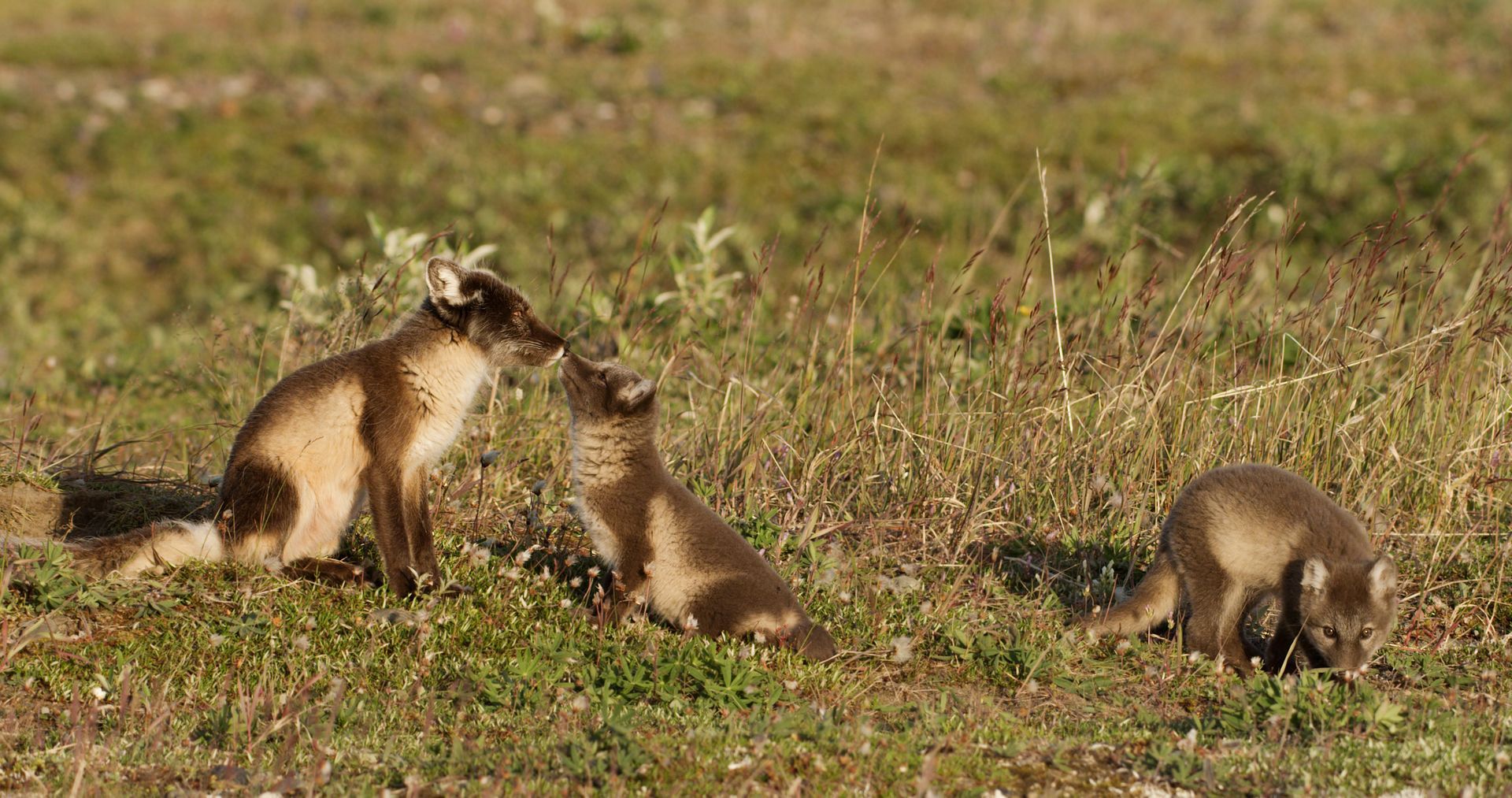
The Arctic Fox is a powerful symbol of adaptability, stealth, and survival in harsh Arctic climates. | Photo by Florian Schulz
The Playbook
The sheer volume of attacks on the Western Arctic is part of a larger strategy: Go after the biggest or most protected target first, use obscure, procedural tools to move faster than the public can respond to, and then lock in irreparable harm to wildlife and nature before anyone can stop it. Their entire playbook is based on overwhelming us – the vast majority of Americans who care about public lands and waters – with an onslaught of obscure policy changes, sweeping attacks, and the illusion of inevitability. They are counting on us to give up before we even get started.
Nature, wildlife, and the Indigenous communities that depend on them for their survival are depending on us not giving up. Direct action is the antidote to the attack.
These are decisions made by people in office, and decisions made by people can be challenged – whether that’s in federal court, through agency public comment processes, and by members of Congress who hear enough concerns from their constituents.
Lower 40 in the Crosshairs
What's unfolding in the Western Arctic is a test case, and is already being applied to public lands across the lower 48 to weaken protections, speed up permitting, expand leasing, and make industrial access harder to reverse.
In southwest Wyoming, the administration reopened the Rock Springs Resource Management Plan, which was developed by a decade of collaboration between local communities, Tribal nations, state officials, and federal land managers. The plan guided balanced management of 3.6 million acres of this high desert landscape, protecting Greater Sage-Grouse habitat, wilderness-quality lands, and some of the most significant paleontological resources in the West, while providing diverse recreational opportunities for local communities. The current administration has made it clear it wants to turn these public lands over to oil and gas leasing.
On California's Central Coast, public lands managed by the Bureau of Land Management near the San Joaquin Valley that had previously been shielded from new drilling are back on the table.
These seemingly isolated fights all follow the same script as Alaska, using similar tools for a similar endgame: give the country’s natural resources to a narrow set of corporate and private interests at the expense of Indigenous communities, everyday Americans, and our planet. The people behind this agenda are coordinating nationally, and the response has to match that.
The Conservation Lands Foundation and our Friends Grassroots Network are pushing back through community-led opposition, public engagement in government agency decision-making processes, and sustained public pressure on members of Congress.
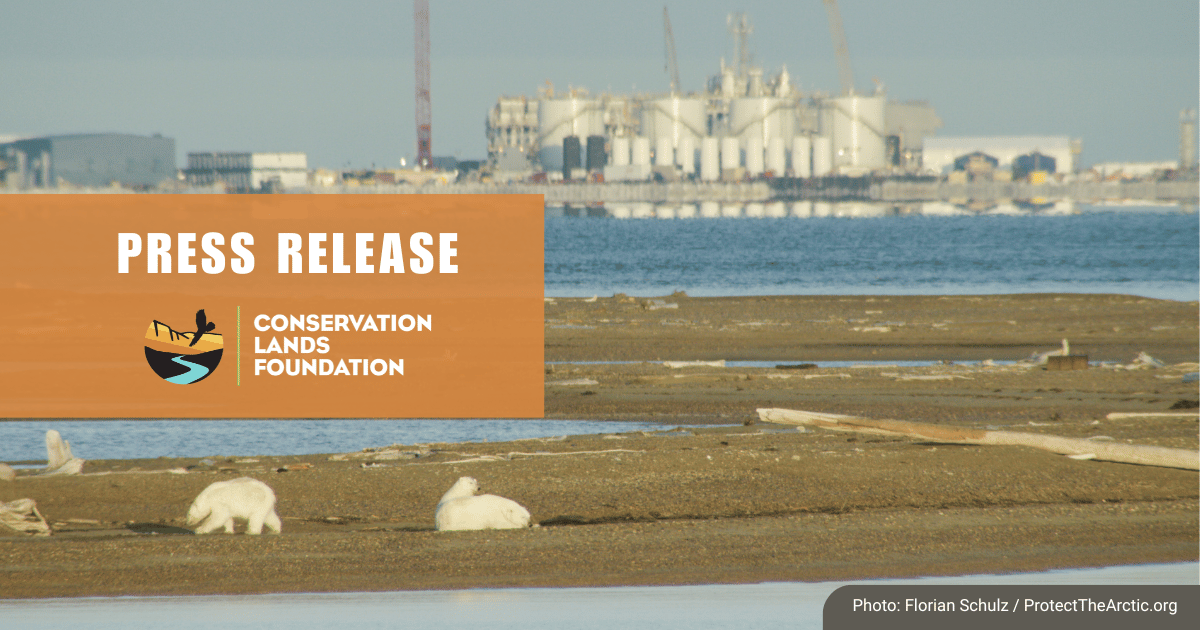
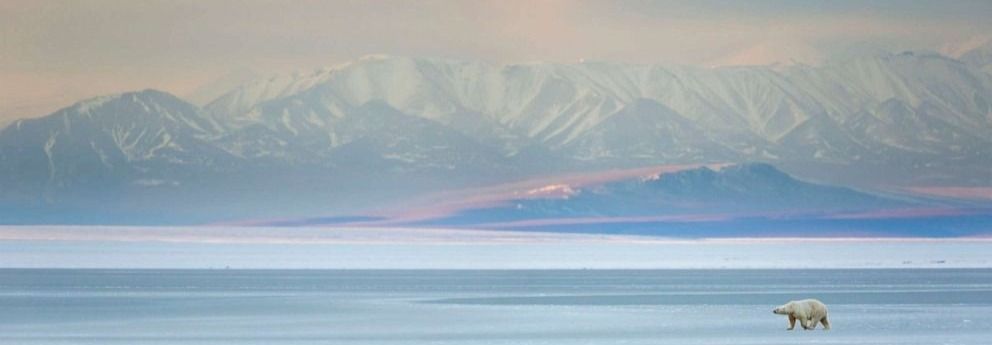
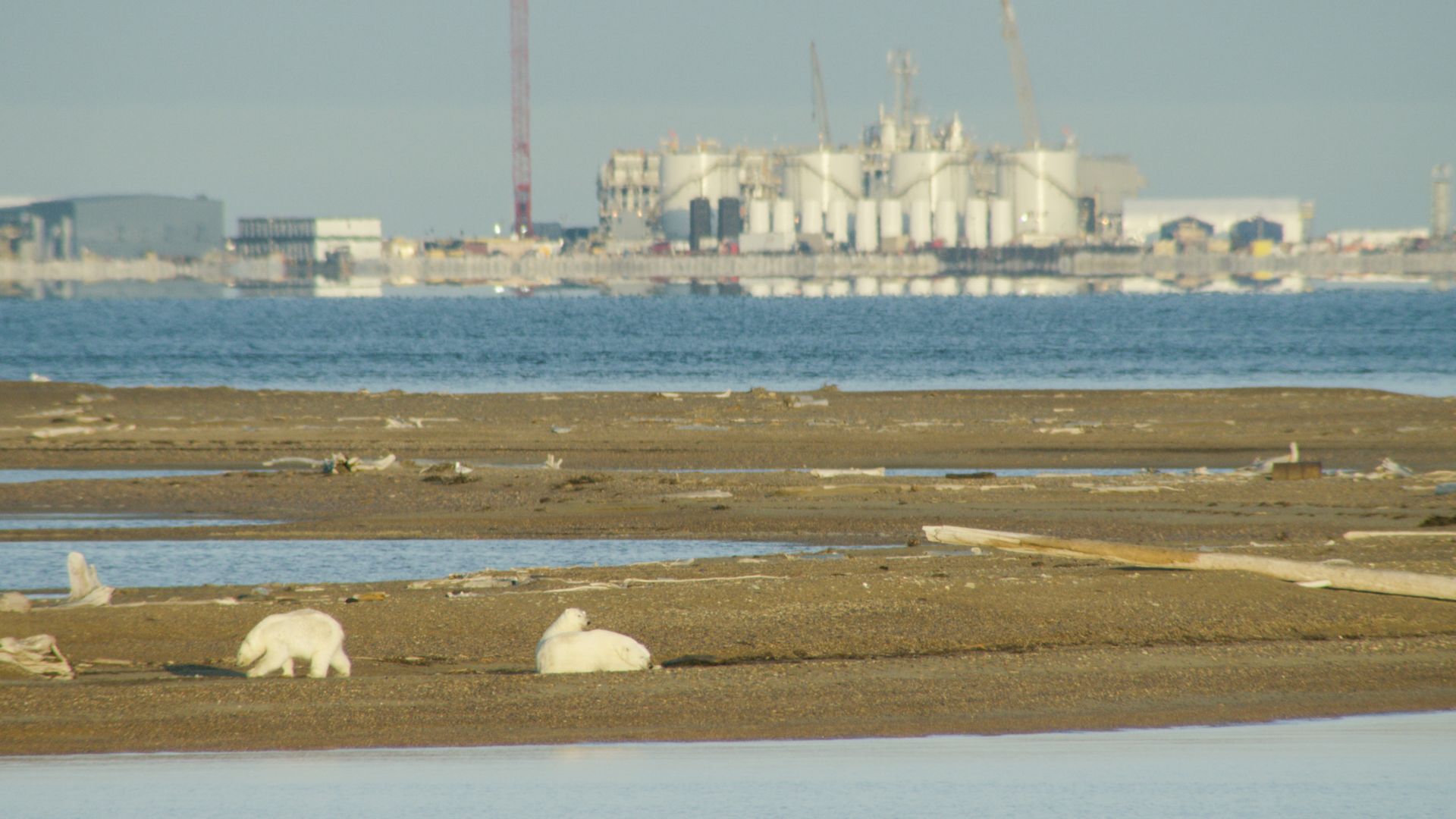
For the Gwich’in First Nations, the polar bear represents a powerful symbol of Arctic survival and climate vulnerability. | Photo by Florian Schulz
What You Can Do: Take Action for the Western Arctic
The administration is counting on people feeling overwhelmed and tuning out. The most useful thing you can do is to stay engaged and keep speaking out.
The Bureau of Land Management is now accepting public comments on its proposal to rubber stamp approvals for oil and gas development across the Western Arctic.
This is the first opportunity to tell the agency to reject any moves to rubber stamp approvals for oil and gas projects in the region. The 45-day scoping period ends at 10 p.m. Alaska Time on July 6, 2026.
Federal agencies are required to accept public comment on these types of actions. Your comments become part of the public record and demonstrate that people across the country are paying attention and care about protecting these places.
Join Our Movement
Get informed and share what you know. Most people have no idea any of this is happening. Changing that matters. Sign up for our email updates to stay current as these fights move forward. Be sure to share this news and our action tool with your friends, hiking partners, neighbors, and family!
Plug into your local Friends group. Find your local group here. The people doing this work day in and day out are in local communities throughout the West, and they need your support—whether that means showing up to a meeting, writing a letter, helping with stewardship projects, or donating.
These lands have been worth protecting for a long time. Right now, your voice matters more than ever.
Keep Reading: