Search Results

By Conservation Lands Foundation
•
March 4, 2026
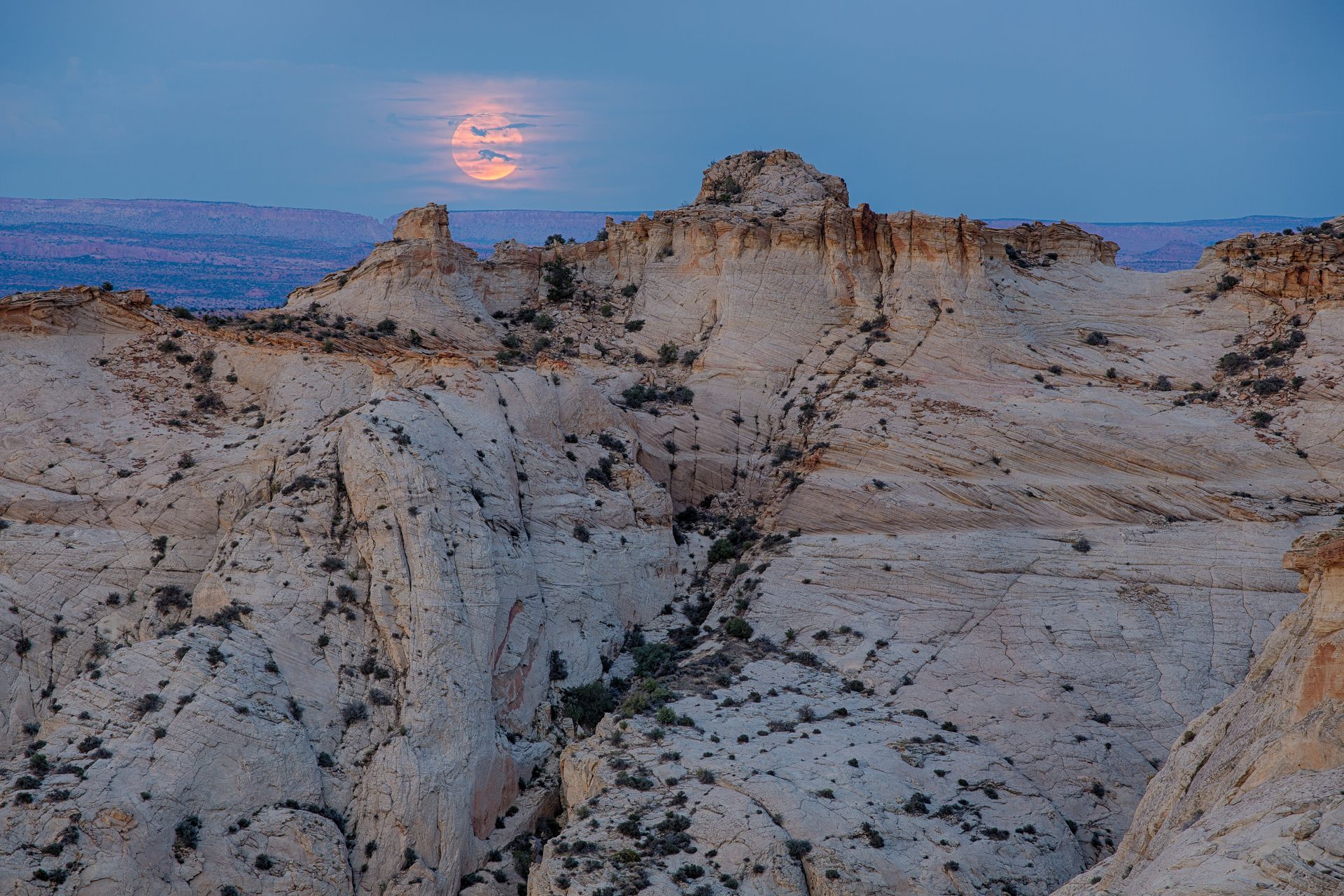
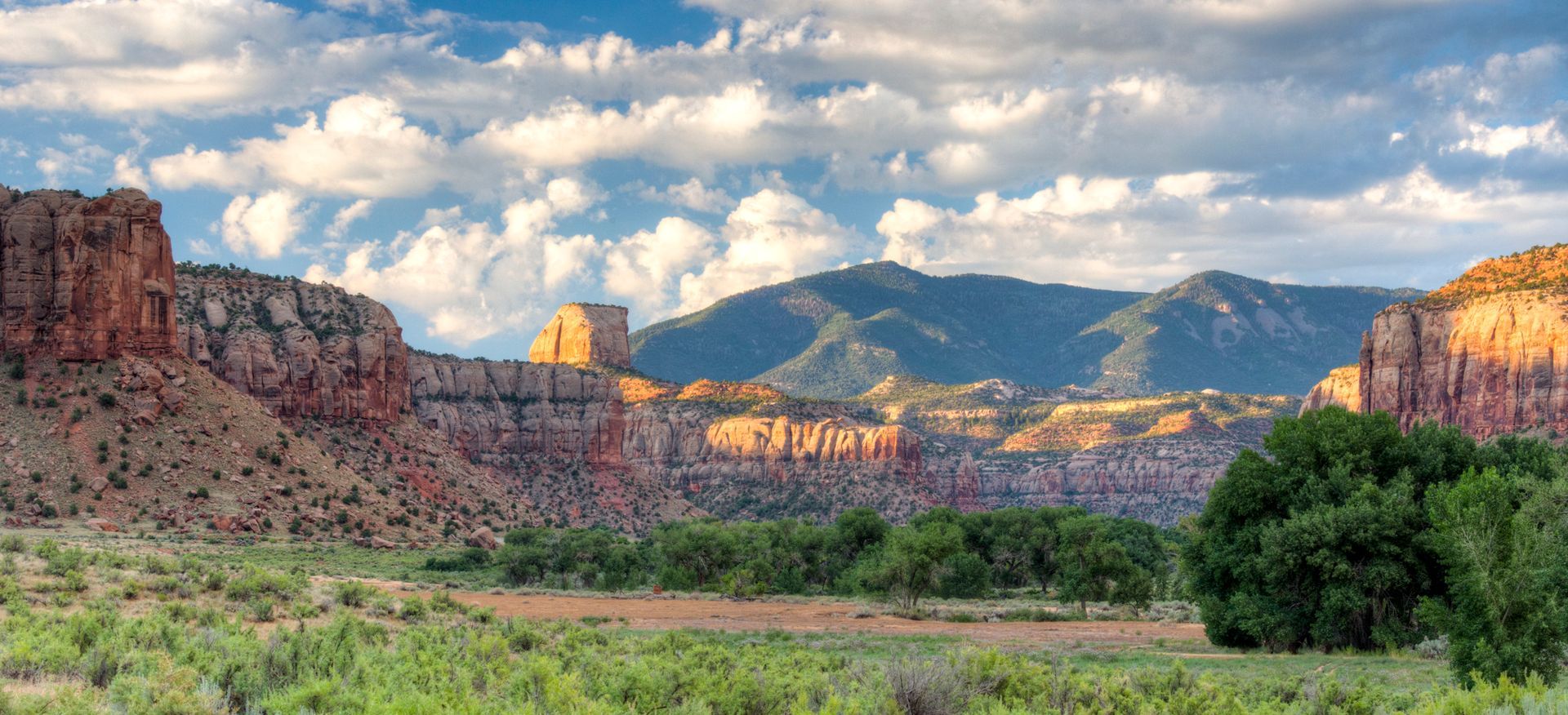
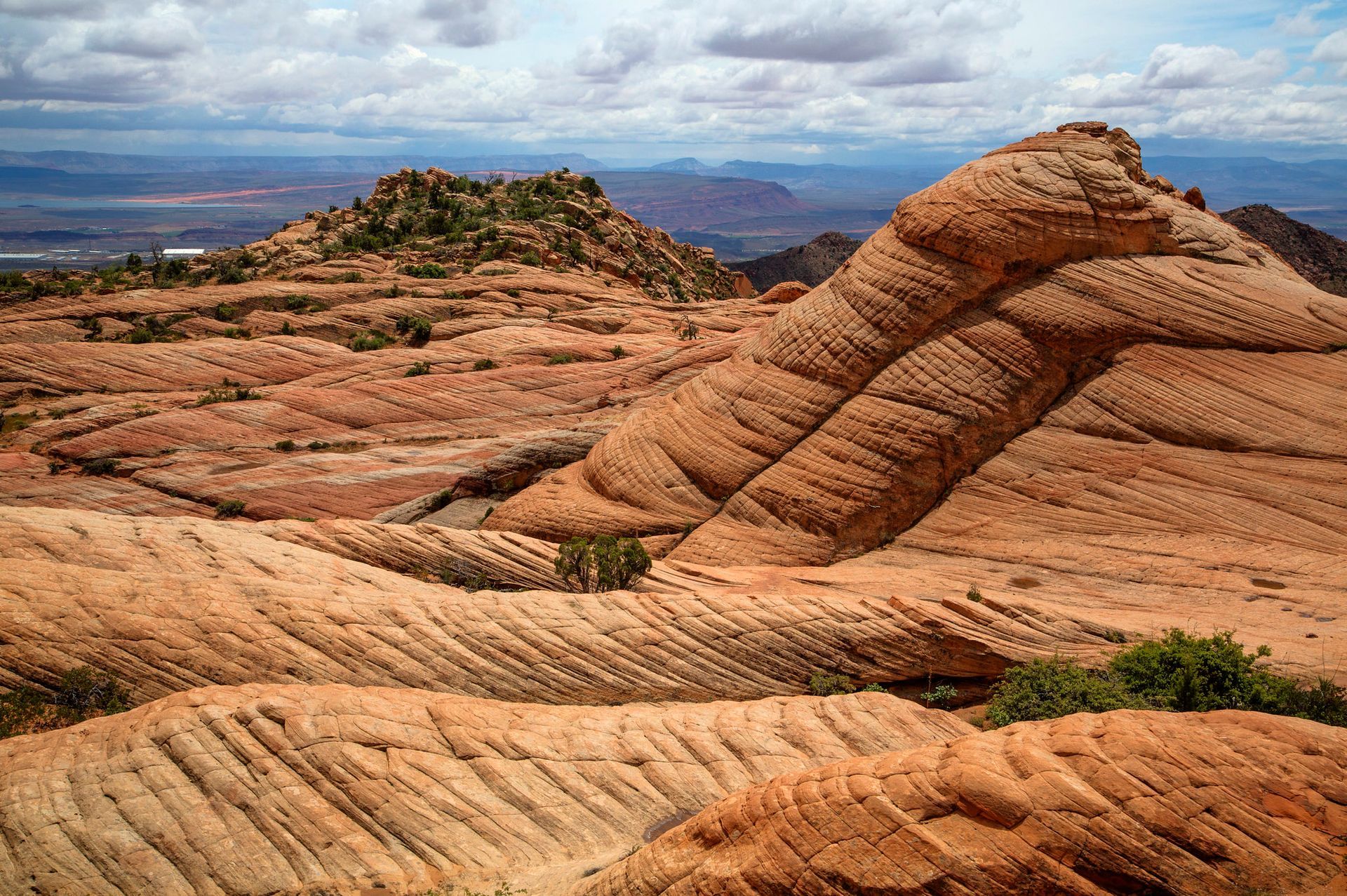
FOR IMMEDIATE RELEASE March 4, 2026 Contact: Kris Deutschman, kris(@)conservationlands.org Kanab, UT / Washington, D.C. — In a dangerous first for America’s national monuments, Senator Mike Lee (R-UT) and Rep. Celeste Maloy (R-UT-02) today introduced joint resolutions to undo the Grand Staircase-Escalante National Monument Management Plan using the Congressional Review Act (CRA). The resolutions would effectively put Congress in charge of how the national monument in southern Utah will be managed, opening the door for other national monuments and public lands to have their management similarly undermined. The resolution seeks to use an obscure law, the Congressional Review Act, in a novel way to overturn a national monument management plan. If both chambers of Congress pass the legislation, called a “resolution of disapproval,” by simple majority votes, the monument management plan will be eliminated and the Bureau of Land Management (BLM) will be barred from issuing another plan that is “substantially the same” in the future. This action also threatens the integrity of national monuments and public land protections across the country. Reaction from national monument and local business advocates below: Chris Hill, CEO of the Conservation Lands Foundation, which represents a nonpartisan, national network of community advocates solely focused on the public lands overseen by the Bureau of Land Management: “Grandstanding on the back of Grand Staircase-Escalante National Monument to appease a select few who want to kick the public out of public lands willingly ignores local communities, business owners, and Tribes who support and rely on the balanced management of national monuments. It also ignores the overwhelming majority of voters in Utah and across western states who want Congress members to protect these places. It’s a Congressional power grab of the country’s national monuments and public lands, plain and simple, and Americans of all political identities will fight like hell to stop it.” Jackie Grant, Executive Director of the Grand Staircase Escalante Partners, which is the local nonprofit that helps steward the national monument through science, conservation, and education: “Using the Congressional Review Act as a tool to amend land management plans eliminates the public’s voice and is a colossal waste of taxpayer dollars. It sets off a domino effect of chaos across all of our public lands. There was plenty of opportunity for many hundreds and thousands of voices to be heard—from the local level all the way up to the national level. As a local organization, we will continue to stand with our neighbors, Tribes, educators, and conservation partners to protect this landscape and ensure it is managed for future generations.” Nate Waggoner, Escalante, Utah resident and Board Chair at the Grand Staircase Regional Guides Association, which represents a regional network of outdoor guides who rely on the national monument for their local businesses: “We’ve been operating our business here for 22 years, we’ve made long-term investments in our community. Having our land use plans destroyed or taken away by the Congressional Review Act throws all of those investments into chaos. We need those long-term permits so we can continue to make long-term financial investments in our communities. This sets a horrible precedent for the future for all of the public lands we live, love, and operate on.” Todd Tucci, Senior Attorney, Advocates for the West: “Congress is effectively playing legislative Russian roulette with a gun pointed to the head of America’s public lands. They’re breaking the system of public lands management wholeheartedly. This isn’t just about the southeast corner of Utah, it potentially impacts every inch of public lands. It impacts your favorite watering hole, your favorite fishing hole… where you walk your dog, where you take your kids hiking. There’s not an inch of public lands that is safe.” ### Background: The Resource Management Plan for Grand Staircase-Escalante National Monument was developed over years of public engagement, Tribal consultation, and scientific review to guide multiple-use and responsible management of one of the nation’s most significant cultural and natural landscapes . While the monument remains protected under Presidential Proclamation 10286 , which carries the full force of law, the Congressional maneuver injects uncertainty into monument stewardship and local economies that depend on outdoor recreation, and undermines the public process that has long governed how these treasured public lands are managed.

By Conservation Lands Foundation
•
March 4, 2026
FOR IMMEDIATE RELEASE March 4, 2026 Contact: Kris Deutschman, kris(@)conservationlands.org HAINES, AK / WASHINGTON, D.C. — Today’s approval by the Senate Energy and Natural Resources Committee of Steve Pearce to be Director of the Bureau of Land Management brings his nomination to the next and final vote in the full Senate, and with that, strong reaction from the Conservation Lands Foundation. “The country deserves a BLM leader who not only understands the full scope of the agency’s charter to manage public lands for multiple uses but also believes in his heart, and in practice, that conservation must be on equal footing with all the other uses of the lands,” said Chris Hill, CEO of the Conservation Lands Foundation, which represents a nonpartisan, national network of community advocates solely focused on the public lands overseen by the Bureau of Land Management. “Simply put, he’s not the right person for this job. The Director of the BLM is tasked to be a neutral arbiter of our shared resources and Mr. Pearce’s recent testimony as well as his record in Congress supporting the sell off of America's public lands, his conflicts of interest with the oil and gas industry, and his efforts to reduce national monuments, demonstrate that he is the wrong candidate to lead this complex multiple-use agency. “Selling off, limiting the public’s access to, and eliminating protections of our public lands is wildly unpopular with the public, and we’ll be harnessing this passion to hold Mr. Pearce and senators who support his nomination accountable to the majority of people who live, work, and recreate on these lands and want them to remain healthy and accessible,” said Hill. About the Bureau of Land Management (BLM) The BLM manages one in every 10 acres of land in the United States and approximately 30 percent of the nation’s minerals. These lands are managed for a variety of uses, including energy development, livestock grazing, recreation, and timber harvesting, while also ensuring the conservation of the country’s remaining natural, historical, and cultural resources. ####

By Conservation Lands Foundation
•
February 27, 2026
Conservation Lands Foundaiton's CEO Chris Hill joined Backcountry Hunters & Anglers' CEO Ryan "Cal" Callaghan to respond to Bureau of Land Management Director nominee Stevan Peace's confirmation hearing. Pearce declined to disavow his past support for selling public lands, including his statement that “most of it, we do not even need.” Asked if he had changed his position, Pearce said he was “not so sure” he had.

By Conservation Lands Foundation
•
February 26, 2026
FOR IMMEDIATE RELEASE February 26, 2026 Contact: Kris Deutschman, kris@conservationlands.org, Bertha Gutiérrez, bertha@conservationlands.org Las Vegas, NV - The Conservation Lands Foundation celebrates the passing of the Sloan Canyon Conservation and Lateral Pipeline Act (H.R. 972) led by Representative Dina Titus (D-Nevada) and Senator Catherine Cortez Masto (D-Nevada), which expands Sloan Canyon National Conservation Area in Southern Nevada by almost 9,300 acres as mitigation for important water infrastructure needed in Southern Nevada. The bill, which passed unanimously in both the House and Senate, is now headed to the President’s desk for his signature. The bill ensures that a water pipeline project by the Southern Nevada Water Authority (SNWA) may be constructed underground through the Sloan Canyon National Conservation Area. The authority to grant right-of-way access to SNWA in a permanently protected area had to be granted by Congress. “The Horizon Lateral project is an example of how infrastructure projects on National Conservation Lands can have minimal ground disturbance, mitigate anticipated impacts, and address community needs while ensuring the objects and values for which the area was protected remain protected. This legislation is a positive example of a bill that strikes a balance between conservation and development with input from local advocates. We applaud the leadership and commitment of Senator Cortez Masto and Representative Dina Titus to advance balanced public lands legislation” said Jocelyn Torres, Chief Conservation Officer at the Conservation Lands Foundation.

By Conservation Lands Foundation
•
February 4, 2026
Conservation Lands Foundation joined a coalition of local, Utah-based, and national conservation organizations in suing the Bureau of Land Management and U.S. Fish and Wildlife Service for illegally reapproving a highway through Red Cliffs National Conservation Area, Utah.

By Conservation Lands Foundation
•
January 6, 2026
FOR IMMEDIATE RELEASE JANUARY 6, 2025 Contact: Kris Deutschman, kris@ conservationlands.org Washington, DC - The bipartisan Fiscal Year 2026 Interior appropriations bill Congress will be considering in the coming days rejects the steep cuts the White House requested for the Bureau of Land Management (BLM) and management of National Conservation Lands, which include nearly 40 million acres of the country’s iconic national monuments, wild and scenic rivers, and other special public lands. The bill provides marginal reductions in funding for the BLM Lands and Resources account, while ensuring funding for the National Conservation Lands system is maintained at $59.135 million, equal to what was enacted in Fiscal Year 2025. Below is a statement from David Feinman, Vice President of Government Affairs of the Conservation Lands Foundation, which represents a national network of community advocates who are solely focused on the public lands overseen by the Bureau of Land Management including National Conservation Lands. "The Conservation Lands Foundation applauds Congress for delivering clear bipartisan, bicameral support for National Conservation Lands and rejecting the White House's proposed 75% cut to the management of these critical public lands. While the current funding is not enough to make up for decades of underinvestment, maintaining the current funding level for the National Conservation Lands system helps the BLM protect these iconic and irreplaceable natural landscapes and the public’s access to them. “We also applaud the inclusion of language in the bill that requires the BLM maintain staffing levels necessary to fulfill its multiple-use mission, including protecting natural and cultural resources, maintaining safe and appropriate access and recreation, conducting Tribal consultation, and managing the National Conservation Lands. “The truth is, BLM and the National Conservation Lands system have been chronically underfunded by Congress and understaffed for decades, and we remain concerned about the historical underinvestment to the nation’s largest public land manager and the conservation lands it stewards. “The agency needs meaningful funding increases to address decades of deferred maintenance, visitor services and resource protection, as well as to properly staff the agency to do this work. Nevertheless, we urge swift passage of the FY26 Interior funding bill, which at minimum provides stability for the agency to fulfill its mission.” ###

By Maria Gonzales
•
December 10, 2025
Some of my earliest and most formative memories are on public lands in New Mexico, where I grew up camping under impossibly starry skies, hiking rocky canyons, and exploring every sunbaked arroyo in Santa Fe for lizards and other small critters. Growing up in the Southwest made me deeply aware of both the beauty and the fragility of these landscapes. I saw how fire, drought, and mismanagement could threaten not only ecosystems, but the health and well-being of the communities who depend on them. Those experiences shaped me. They taught me that caring for wild landscapes isn’t passive, it’s a collective responsibility. That belief has guided my career and approach to leadership: philanthropy is fundamentally about stewardship, community, and creating the conditions for impact to scale. It’s also what drew me to the Conservation Lands Foundation. Its clarity of mission, its commitment to community-led conservation, and its track record of protecting and expanding the National Conservation Lands represent the future of protecting nature, one rooted in collaboration, shared power, and long-term investment.