Federal Agency Re-Approves Highway Through Red Cliffs National Conservation Area, Abandons Own Scientific Findings

Conservation Lands Foundation • January 21, 2026

ADVOCATES FOR THE WEST

CENTER FOR BIOLOGICAL DIVERSITY

CONSERVE SOUTHWEST UTAH 

CONSERVATION LANDS FOUNDATION 

SOUTHERN UTAH WILDERNESS ALLIANCE 

THE WILDERNESS SOCIETY

WILDEARTH GUARDIANS


FOR IMMEDIATE RELEASE 

January 21, 2026


Federal Agency Re-Approves Highway Through Red Cliffs National Conservation Area, Abandons Own Scientific Findings 

Coalition of Local Residents and State and National Organizations Vow to Continue Decades-Long Fight


St. George, UT – The Bureau of Land Management (BLM) re-approved a proposal from the Utah Department of Transportation (UDOT), at the behest of Washington County, for the construction of a four-lane Northern Corridor Highway through the Red Cliffs National Conservation Area near St. George, Utah. Today’s decision reverses a December 2024 rejection of the same proposal by the BLM and U.S. Fish and Wildlife Service and marks the eighth time the controversial highway has been considered. The project has been halted on every previous attempt over concerns related to wildlife, public safety, legal compliance, and community opposition.


“This is a deeply disappointing decision for our organization and for the thousands of community members who have continually voiced their opposition to the highway,” said Stacey Wittek, the Executive Director of Conserve Southwest Utah. ”But the fight to protect Red Cliffs National Conservation Area is far from over. We are carefully assessing every available option to protect this important and iconic land for future generations.”


The proposed Northern Corridor Highway would carve a four-lane, high-speed road through designated critical habitat for the threatened Mojave desert tortoise within Red Cliffs National Conservation Area, damage iconic red rock landscapes, disrupt treasured outdoor recreation opportunities, and set a dangerous precedent for Congressionally-protected public lands across the U.S.


BLM's 2024 Supplemental Environmental Impact Statement found the project would increase wildfire probability and frequency, permanently eliminate designated critical tortoise habitat, spread noxious weeds and invasive plants, and harm more cultural and historical resources than any alternative considered.


“Despite BLM’s 2024 findings, Washington County and UDOT continue to push for an illegal highway while ignoring past promises to protect Red Cliffs National Conservation Area,” said Wittek. “The idea that rock climbing, mountain biking, and other cherished recreation in the Greater Moe’s Valley can only be protected if the Northern Corridor Highway is approved is simply false. Local elected officials can decide to decouple the two issues, and commit to engaging stakeholders in finding ways to protect Greater Moe’s Valley and follow through on promises to protect Red Cliffs.”


Below are statements on behalf of local residents and Utah-based and national conservation organizations:

"When Congress designated Red Cliffs as a National Conservation Area, that was a promise to the American people that this landscape would be protected forever. Allowing a four-lane highway to bulldoze through a Congressionally-protected National Conservation Area betrays that promise, obliterates the very concept of permanent protection and puts every single acre of America’s protected public lands directly in harm’s way. Today it's Red Cliffs. Tomorrow it could be any of the millions of acres of protected public lands Americans and rural communities depend on. We won't let that happen, and we will fight this decision with everything we have," said Charlotte Overby, Vice President of Conservation Field Programs for Conservation Lands Foundation.


“This is a very disturbing decision. The pollution, lights, and noise will significantly reduce my quality of life. It also sets a precedent that public lands are open for development. I am highly disappointed in BLM for this reckless decision,” said Mary Jo Vilicich, Green Springs Neighborhood resident. 


“I don’t understand how the BLM can move forward with a highway when the agency has already acknowledged how harmful it would be. The Supplemental Environmental Impact Statement stated an increased risk of wildfires. A lot of us already struggle to get home insurance because of fire danger, and I honestly worry it’ll become impossible if the highway is built,” said Ken Bouvier, Green Springs Neighborhood resident.


“Today’s decision is a major misstep by the BLM, which is doing the bidding of Utah politicians insistent on punching a broadly opposed and illegal highway through protected public lands. We won’t stand idly by while BLM blatantly ignores its own scientific findings and a Congressionally-mandated requirement to manage Red Cliffs National Conservation Area for conservation and recreation,” said Hannah Goldblatt, staff attorney at Advocates for the West and counsel for conservation groups.


“The Bureau of Land Management’s decision to reverse itself is a disastrous mistake. Bulldozing a highway through Red Cliffs National Conservation Area would destroy some of the last best habitat for threatened desert tortoises and forever scar this rare natural refuge,” said Lisa Belenky, senior counsel at the Center for Biological Diversity. “We’ll keep fighting this high-speed roadway because it’s both unlawful and unwise to sacrifice important wildlife habitat on our protected public lands for more urban sprawl.”


"The Red Cliffs National Conservation Area is a shared public treasure that should continue to be managed for the purposes for which it was established by Congress in 2009: 'to conserve, protect and enhance for the benefit and enjoyment of present and future generations the ecological, scenic, wildlife, recreational, cultural, historical, natural, educational and scientific resources of the National Conservation Area' and 'to protect each species that is located in the National Conservation Area,'" said Gregg DeBie, senior staff attorney at The Wilderness Society. “Bulldozing a four-lane highway through this landscape would permanently destroy these irreplaceable resources and deny us the freedom to continue enjoying them." 


“Even after a long history of analysis and rejection by federal land managers, the ill-advised Northern Corridor Highway proposal seems to return every few years,” said Kya Marienfeld, Wildlands Attorney at the Southern Utah Wilderness Alliance. “Continuing the crusade to build a highway in a Congressionally-designated conservation area is not only illegal, it is–after more than a decade of failed attempts–downright foolish. But these public lands, and the critical habitat and cultural sites they contain, are too important to abandon, and the Southern Utah Wilderness Alliance and our members remain committed to protecting them.”


“It’s pathetic that state and local politicians want to put a highway through the Red Cliffs and ruin what is an astonishing asset for all of us, but especially for the people of Washington County,” said Chris Krupp, Public Lands Attorney for WildEarth Guardians. “It’s even worse that BLM is bending over backward to endorse the scheme. So we’ll keep fighting for the Red Cliffs, regardless of how long it takes to overcome this short-sighted plan for the highway.”


“UDOT and Washington County have for years refused to engage their constituents in open discussions on issues with their proposed solution to anticipated future traffic congestion and on alternative solutions that would protect both Red Cliffs National Conservation Area and the Greater Moe’s Valley Area, which the county proposed as mitigation,” said Tom Butine, Washington County resident. 


A History of Rejection

Today’s decision overturns the most recent federal rejection of the Northern Corridor Highway in a decades-long fight led by local residents, conservation organizations, and outdoor recreationists to block the highway. The Northern Corridor proposal has been rejected seven times since 2006, when local residents first raised concerns about routing a highway through protected public lands. 


Despite immense local opposition, the BLM and Fish and Wildlife Service approved a right-of-way for the Northern Corridor Highway in the final days of the first Trump Administration. Conservation groups sued, arguing that the approval violated multiple federal laws, including the Omnibus Public Land Management Act, Endangered Species Act, National Environmental Policy Act, National Historic Preservation Act, and others. 


The case resulted in a settlement agreement in August 2023 and a U.S. District Court decision sending back the project's 2021 right-of-way approval. Agencies acknowledged that the approval did not comply with the National Historic Preservation Act and required additional environmental analysis in light of recent wildfires that further degraded Mojave desert tortoise habitat and native vegetation. After updating its environmental analysis, the BLM again rejected the project in late 2024. 


In October 2025, the agency said it would reconsider the application after UDOT argued that the federally endorsed alternative was economically infeasible, despite documented environmental and community costs associated with the Northern Corridor.


Background on Red Cliffs National Conservation Area (NCA): 

The 44,724-acre Red Cliffs National Conservation Area is part of the larger Red Cliffs Desert Reserve, which is jointly managed by the BLM, the Fish and Wildlife Service, the state of Utah, Washington County, and local municipalities. The reserve was established under a 1995 Habitat Conservation Plan as a compromise to protect roughly 61,000 acres of public lands for the threatened Mojave desert tortoise while allowing development on about 300,000 acres of state and private land. Congress designated the Red Cliffs National Conservation Area in 2009 to “conserve, protect, and enhance…ecological, scenic, wildlife, recreational, cultural, historical, natural, educational, and scientific resources” of the public lands within the unit. 


The region supports key populations of the threatened Mojave desert tortoise and other at-risk plants and animals, including the Gila monster, burrowing owl, and kit fox. Researchers say the Mojave desert tortoise is on a path to extinction, and its habitat in Southwest Utah –– which houses some of the densest tortoise populations –– is especially vulnerable amid rapid growth in the region. 


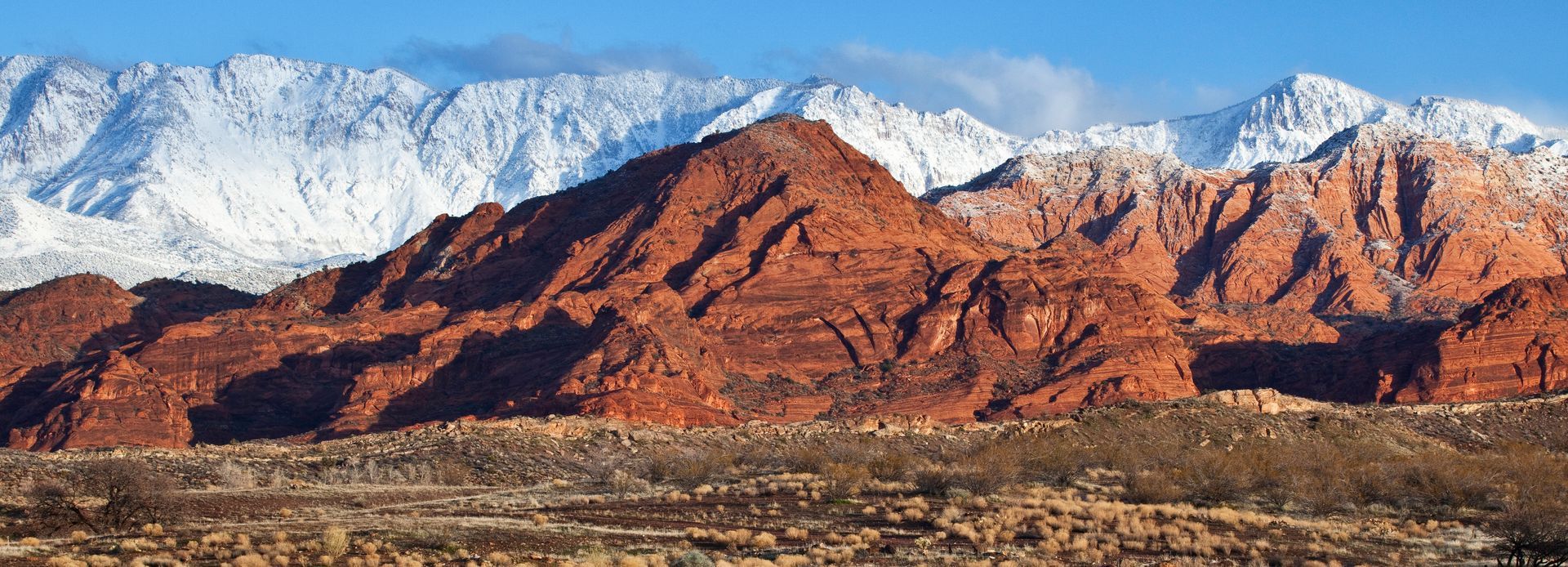
Located about 45 miles from Zion National Park, the conservation area includes 130 miles of trails, two wilderness areas, heritage public use sites, Native American cultural artifacts, several threatened or endangered species and one of Utah’s most popular state parks, Snow Canyon State Park. Visitors come from around the world to hike, mountain bike, rock climb, horseback ride, photograph and marvel at the expansive red rock landscape. 


Additional Information and Resources: 

  1. Informational website: protectredcliffs.com
  2. BLM Again Considering Four-Lane Highway Through the Red Cliffs National Conservation Area - October 7, 2025
  3. Decades-Long Highway Fight Ends with Victory for Red Cliffs NCA – December 20th, 2024
  4. Petition to Permanently Protect the Greater Moe’s Valley Area
  5. Local and National Organizations Applaud Plan Signaling Denial of Highway Right-of-Way – November 7th, 2024
  6. Conservation Organizations Respond to Washington County’s Continued Attacks on Red Cliffs National Conservation Area – August 7th, 2024
  7. Federal Agencies Release Draft Supplemental Environmental Impact Statement on a Highway Right-of-Way Through Red Cliffs National Conservation Area – May 9th, 2024
  8. BLM and FWS Press Release, November 15th, 2023 
  9. Report – Washington County at a Crossroads: An analysis of the proposed Northern Corridor Highway project in Southwest Utah
  10. Summary of Desert Tortoise Study in Red Cliffs NCA: Population Trends, Threats to Persistence, and Conservation Significance


More on Red Cliffs National Conservation Area:
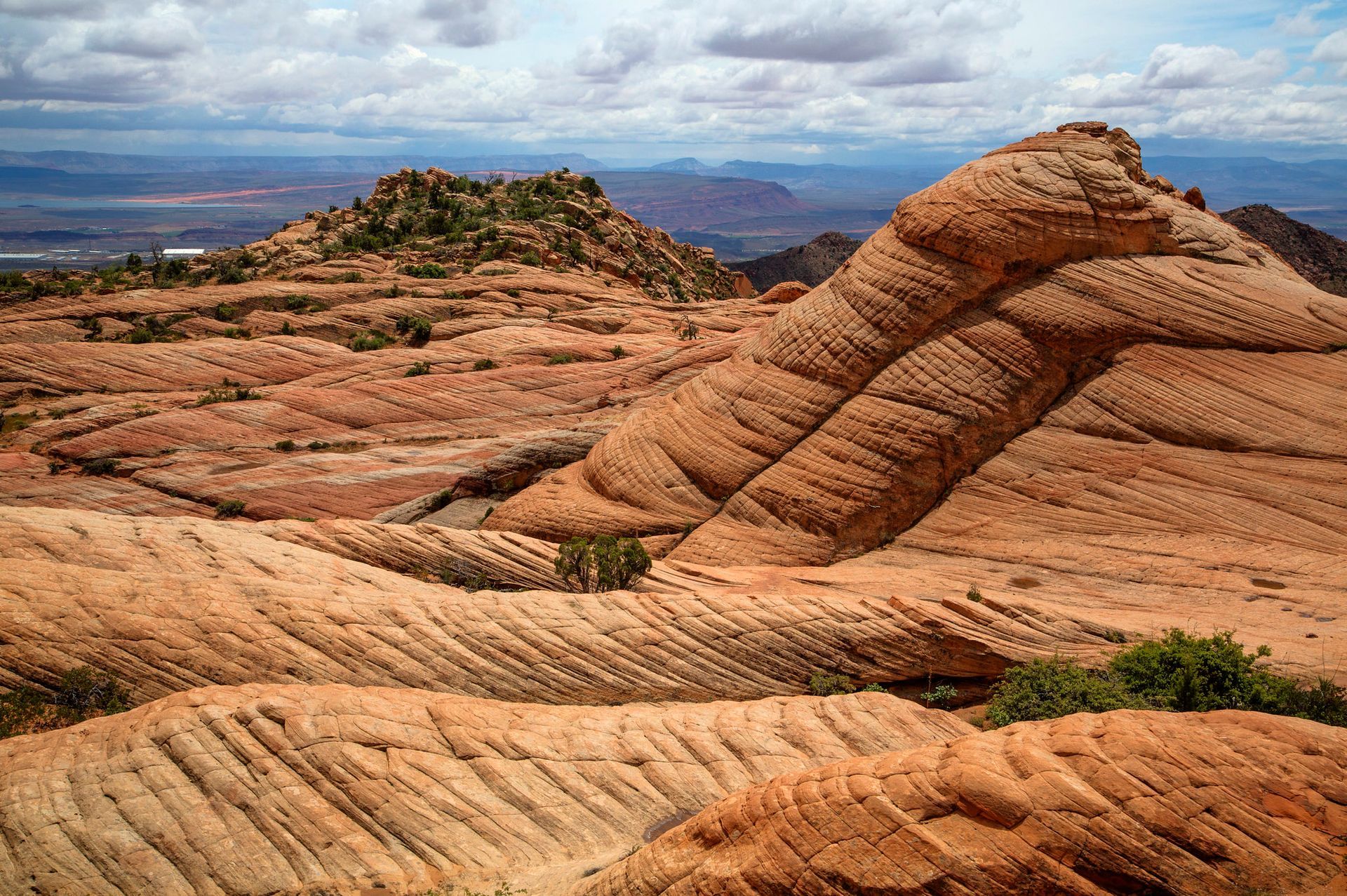
Cliffs at Red Cliffs National Conservation Area
By Conservation Lands Foundation January 29, 2026
Your January public lands update: Read the latest and take action.
By Conservation Lands Foundation August 7, 2024
St. George, UT – Yesterday, Washington County filed a federal lawsuit seeking to reinstate a stale and inadequate environmental review — issued in the waning days of the Trump Administration — supporting the widely-rejected Northern Corridor Highway through the Red Cliffs National Conservation Area. Below is a statement from Holly Snow Canada, executive director of Conserve Southwest Utah on behalf of Utah-based and national conservation organizations Conserve Southwest Utah, Southern Utah Wilderness Alliance (SUWA), Conservation Lands Foundation, Advocates for the West, Center for Biological Diversity, Defenders of Wildlife, The Wilderness Society, and WildEarth Guardians. “Through this lawsuit, Washington County has again demonstrated its impatience with a full and fair process designed to understand the ecological and community impacts of a high-speed highway through a National Conservation Area, “ said Snow Canada. “First, Washington County rushed to have decisions issued before the end of the Trump Administration; and, once a court reversed these decisions in 2023, the county is now seeking to short-circuit the analysis before it's even finished. Washington County’s continued efforts to hide the true impacts of the proposed highway shows the problems with punching the Northern Corridor Highway through a National Conservation Area.” “This lawsuit is the latest attempt by Washington County to force a highway where it doesn’t belong. Viable alternatives exist that would be a better use of taxpayer funds, but for over 15 years, Washington County leaders have clung to the proposed route as the only option, doing a disservice to local residents who have been vocal in their opposition to the highway, wildlife, and all who visit the Congressionally-designated Red Cliffs National Conservation Area. It’s beyond time for the county to start working on transportation alternatives that don't go through the NCA,” said Snow Canada. “Now is the time for thorough, intentional, and collaborative planning from the County rather than a single-minded focus on a destructive highway. Instead of working together to find a reasonable solution to the issues confronting Washington County residents, Washington County is trying to revive what has proven to be a failed and widely-unpopular approach, which hinges on ignoring the science and the law and forcing an unnecessary and unworkable high-speed highway through a National Conservation Area. We should expect more from our elected representatives,” said Snow Canada. The county's lawsuit comes at a time when the Bureau of Land Management (BLM) and the U.S. Fish and Wildlife Service (FWS) are preparing a draft Supplemental Environmental Impact Statement (SEIS) to reconsider a right-of-way for the proposed four-lane Northern Corridor Highway . This SEIS is a result of an earlier lawsuit filed in 2021 by local, regional and national conservation groups to challenge a 2021 decision by the BLM and FWS to approve a highway right-of-way through the Red Cliffs NCA. The 2021 lawsuit by conservation groups cited violations of five federal environmental protection laws (the Omnibus Public Lands Management Act, the Land and Water Conservation Fund Act, the National Environmental Policy Act, the Endangered Species Act and the National Historic Preservation Act). As a result of that case, the U.S. District Court remanded the 2021 approval of the right-of-way after finding that there were “substantial and legitimate” concerns with the initial analysis. Since 2006, local residents and concerned citizens across the country have voiced opposition to the highway, pointing out transportation alternatives outside of Red Cliffs NCA that do a better job of relieving traffic congestion, supporting economic growth and protecting wildlife, scenic beauty and local access to trails. Background on Red Cliffs National Conservation Area (NCA): The 44,724-acre Red Cliffs NCA is part of the larger Red Cliffs Desert Reserve that is collaboratively managed by the BLM, the FWS, the State of Utah, Washington County, and other municipalities. The Reserve was established under the 1995 Habitat Conservation Plan (HCP) as part of a “grand compromise” to protect ~61,000 acres of public lands for the Mojave desert tortoise (listed as “threatened” under the Endangered Species Act), while opening 300,000 acres of state and private lands for development. The Red Cliffs National Conservation Area was established in 2009 by Congress to “conserve, protect, and enhance…ecological, scenic, wildlife, recreational, cultural, historical, natural, educational, and scientific resources” of the public lands within the unit. The region is home to important populations of the threatened Mojave desert tortoise and other at-risk plants and animals including the Gila monster, burrowing owl and kit fox. The Mojave desert tortoise is on a path to extinction according to leading researchers and its habitat in Southwest Utah is especially vulnerable given recent and anticipated growth in the region. The NCA is 45 miles from Zion National Park, and includes 130 miles of trails, two wilderness areas, heritage public use sites, Native American cultural artifacts, several threatened/endangered species and one of Utah’s most popular state parks , Snow Canyon State Park. People from all over the state, country and world visit to hike, mountain bike, rock climb, horseback ride, photograph and marvel at the expansive red rock landscape. ###
By Conservation Lands Foundation May 10, 2024
St. George, UT – Today the Bureau of Land Management (BLM) and U.S. Fish and Wildlife Service (FWS) released a draft Supplemental Environmental Impact Statement (SEIS) to reconsider a right-of-way for the proposed four-lane Northern Corridor Highway through Red Cliffs National Conservation Area (NCA) in southwestern Utah near Zion National Park. The proposed Northern Corridor Highway route violates five bedrock environmental laws and threatens critical habitat for the imperiled Mojave desert tortoise, recreational opportunities and scenic vistas. In response to the release of the draft SEIS, a coalition of Utah-based and national conservation organizations including Conserve Southwest Utah, Southern Utah Wilderness Alliance (SUWA), Conservation Lands Foundation, Advocates for the West, Center for Biological Diversity, Defenders of Wildlife and WildEarth Guardians reiterated their opposition to the Northern Corridor Highway route and urged community members to participate in the public comment period, which has begun. “We look forward to reviewing the supplemental environmental and scientific analysis on the impacts of punching a four-lane high speed highway through the heart of the Red Cliffs National Conservation Area and critical habitat for the Mojave desert tortoise,” said Todd Tucci, senior attorney for Advocates of the West, who represented the plaintiffs in litigation. “We are confident that after an objective review of the science and inevitable environmental impacts, the BLM will agree with its prior analysis and the U.S. Fish and Wildlife Service’s scientists that the Northern Corridor Highway would be ‘biologically devastating’ to the integrity of the Red Cliffs NCA and desert tortoise,” said Tucci. “There are better transportation options that exist than the Northern Corridor Highway route that serve our growing community needs while protecting wildlife and the scenic values that make our area such a special place to live, work and raise our families,” said Holly Snow Canada, executive director of Conserve Southwest Utah. “This highway is an ill-conceived idea that needs to go away once and for all. We urge BLM to reject the highway and prevent the bulldozing of critical habitat for the threatened Mojave desert tortoise,” said Desiree Sorensen-Groves, vice president of land and habitat conservation for Defenders of Wildlife. “The Bureau of Land Management shouldn't be considering routing a new highway through the stunning Red Cliffs National Conservation Area,” said Lisa Belenky, a senior counsel at the Center for Biological Diversity. “The conservation area is home to threatened desert tortoises, distinctive local plants and other wildlife. It’s also a natural refuge for people in this growing urban area. We’re committed to keeping it whole and wild.” The release of the draft SEIS initiates a 45-day comment period for public feedback as part of the National Environmental Policy Act (NEPA) process. The BLM will announce a public meeting on the draft SEIS, providing an opportunity for questions and feedback. “The plan offers several alternatives, but it’s up to us to ensure the agencies make the right decision in the end: a highway doesn’t belong in Red Cliffs National Conservation Area,” said Snow Canada. “While we’re still evaluating the draft, we urge community members who care about protecting Red Cliffs to stay engaged in the process and save the date for the public meeting. We will be issuing guidance on how community members can submit a substantive comment to the agencies soon.” This SEIS is a result of a settlement agreement reached in November 2023 between the federal government and plaintiffs of a lawsuit filed in 2021. The lawsuit, brought by Utah-based and national conservation organizations, challenged a 2021 decision by the BLM and FWS to approve a highway right-of-way through the Red Cliffs NCA. The lawsuit cited violations of five federal environmental protection laws (the Omnibus Public Lands Management Act, the Land and Water Conservation Fund Act, the National Environmental Policy Act, the Endangered Species Act, and the National Historic Preservation Act). Shortly after the settlement agreement was signed, a U.S. District Court remanded the 2021 approval of the right-of-way, confirming that the highway would fragment sensitive wildlife habitat for threatened species, reduce outdoor recreation access to the area and set a dangerous precedent for protected public lands across the US. “My wife and I moved to enjoy our golden years next to the stunning Red Cliffs National Conservation Area,” said Mike Brand, a Green Springs homeowner who opposes the highway, “There are other transportation options available to expedite traffic in Washington County without running the Northern Corridor Highway through the crown jewel of Washington County.” Since 2006, local residents and concerned citizens across the country have voiced opposition to the highway, pointing out transportation alternatives outside of Red Cliffs NCA that do a better job of relieving traffic congestion, supporting economic growth and protecting wildlife, scenic beauty and local access to trails. Background on Red Cliffs National Conservation Area (NCA): The 44,724-acre Red Cliffs NCA is part of the larger Red Cliffs Desert Reserve that is collaboratively managed by the BLM, the FWS, the State of Utah, Washington County, and other municipalities. The Reserve was established under the 1995 Habitat Conservation Plan (HCP) as part of a “grand compromise” to protect ~61,000 acres of public lands for the Mojave desert tortoise (listed as “threatened” under the Endangered Species Act), while opening 300,000 acres of state and private lands for development. The Red Cliffs National Conservation Area was established in 2009 by Congress to “conserve, protect, and enhance…ecological, scenic, wildlife, recreational, cultural, historical, natural, educational, and scientific resources” of the public lands within the unit. The region is home to important populations of the threatened Mojave desert tortoise and other at-risk plants and animals including the Gila monster, burrowing owl and kit fox. The Mojave desert tortoise is on a path to extinction according to leading researchers and its habitat in Southwest Utah is especially vulnerable given recent and anticipated growth in the region. The NCA is 45 miles from Zion National Park, and includes 130 miles of trails, two wilderness areas, heritage public use sites, Native American cultural artifacts, several threatened/endangered species and one of Utah’s most popular state parks , Snow Canyon State Park. People from all over the state, country, and world visit to hike, mountain bike, rock climb, horseback ride, photograph and marvel at the expansive red rock landscape.