Search results for 'public lands rule' (16)
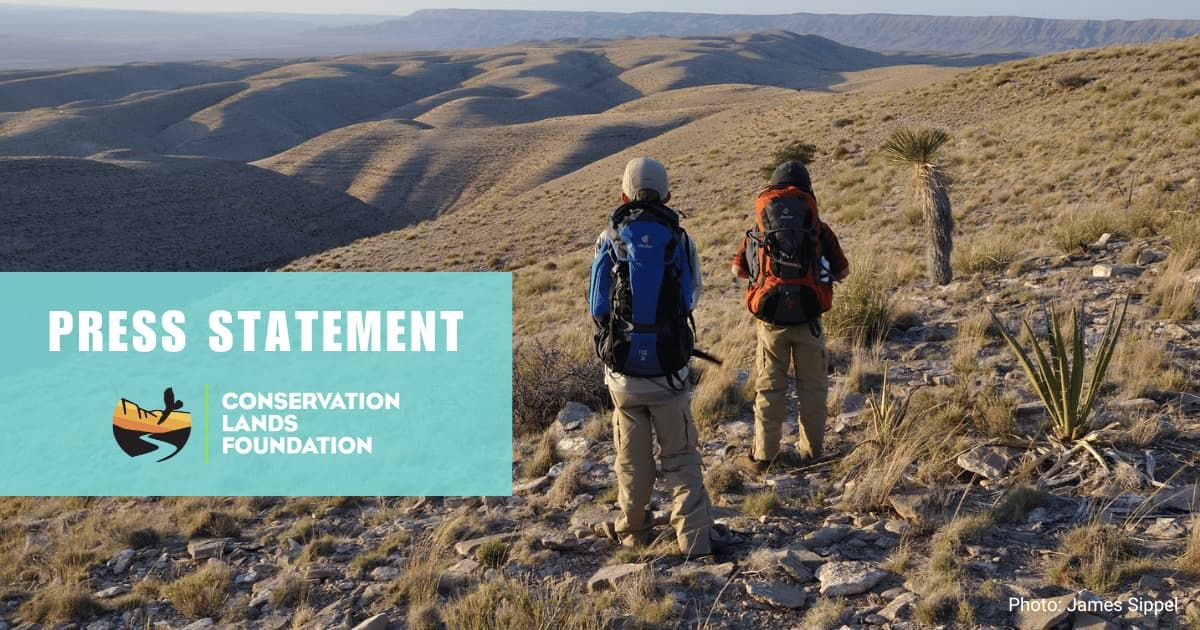
FOR IMMEDIATE RELEASE - May 11, 2026 Contact: Kris Deutschman kris@conservationlands.org 916-425-7174 WASHINGTON, D.C. — Today, the Trump administration repealed the Conservation and Landscape Health Rule (Public Lands Rule), the Bureau of Land Management’s (BLM) rule confirming that conservation is on equal footing with extractive uses, like oil and gas drilling and mining. Below is a statement from Chris Hill, CEO of the Conservation Lands Foundation, which represents a national network of community advocates who are solely focused on the National Conservation Lands managed by the Bureau of Land Management. “Public lands are the people’s lands and this move is another strategy to gaslight the public and ultimately give these lands away. They’ve stripped away the tools that ensure conservation is a core mandate on public lands managed by the Bureau of Land Management. “The Bureau of Land Management is required by law to balance multiple uses for the benefit of the public. Instead, this move gives the administration greater leeway to ignore the health of our country’s lands, water sources, wildlife habitats, and ways of life and it locks the public out of their favorite places to hike, fish, and camp with their families. “The Public Lands Rule brought balance to the management of the country’s public lands and waters in the U.S., and is overwhelmingly popular: 92% of public comments submitted during the robust public comment process supported it. And the vast majority of Westerners across the political spectrum want their elected officials to protect more clean water sources and wildlife habitat, and provide more opportunities to visit and recreate. “Simply put, this is just another move towards privatizing the public’s lands. The Conservation Lands Foundation will continue working tirelessly with local communities and lawmakers to ensure existing laws are followed to safeguard the health of public lands managed by the Bureau of Land Management and the public’s access to them.” About the Bureau of Land Management (BLM) The BLM manages nearly 250 million acres of public land–one in every 10 acres of land in the United States and approximately 30 percent of the nation’s minerals. These lands are managed for a variety of uses, including energy development, livestock grazing, recreation, and timber harvesting, while also ensuring the conservation of the country’s remaining natural, historical, and cultural resources. ####
Members of Congress, local elected officials, Tribal leaders, outdoor industry executives, legal scholars and former BLM officials join calls for protecting public lands and preserving the Public Lands Rule.

Last weekend, I had the pleasure of celebrating National Public Lands Day with our amazing staff and Friends Network partners in New Mexico, Congressional champions, and public land enthusiasts in the community to celebrate the 25th anniversary of the National Conservation Lands. The contrast between public lands celebrations and today couldn't be starker. Today’s federal government shutdown marks the latest blow to unprotected public lands across the country. The shutdown, combined with Interior Secretary Doug Burgum’s plan to designate oil and gas permitting as "essential" and the administration’s threat to lay off thousands more federal employees, makes it clear that this administration prioritizes corporations over communities. Here's what they can't shut down: our resolve. Despite an administration historically opposed to public lands and conservation, our collective voice has been able to fight off every attempt to sell off public lands. That's the power of what we've built together—and it's why we can't stop now. In this newsletter, you'll find two urgent threats that need your voice right now, celebrations worth sharing, a tribute to our founding trustee Richard Moe, and ways to deepen your connection to this growing movement. Your action matters—let's get to work.
Washington, D.C. — The Trump administration today published a notice of proposed rulemaking to rescind the common-sense and widely-supported Conservation and Landscape Health Rule (“Public Lands Rule”) that ensures balanced management and public access to national public lands throughout the western U.S. The announcement indicated a 60-day public comment period, which is legally required of such changes. Below is a statement from Jocelyn Torres, Chief Conservation Officer of the Conservation Lands Foundation, which represents a national network of community advocates who are solely focused on the public lands overseen by the Bureau of Land Management (BLM), including the National Conservation Lands: “The repeal of the Public Lands Rule is a betrayal of the public trust and a reckless step backwards for land stewardship in America. Americans have already raised their voices—loudly and clearly—in support of this rule. During the original rulemaking, which was finalized last year, 92% of public comments supported it. This action is a slap in the face to every American who is proud of the natural beauty we have on offer, free of charge, to everyone. “The Public Lands Rule provides land managers with clear, commonsense tools to protect what Americans cherish most about public lands—clean water, abundant wildlife, cultural resources, recreation, and natural beauty. Its repeal dismisses science-based management and undermines the values of millions who depend on these lands for more than just extraction. “Perhaps most troubling is the claim that conservation is not a valid multiple use under BLM’s guiding laws. That is blatantly false. The law explicitly requires that public lands be managed for a range of uses, including watersheds, wildlife habitat, fisheries, and scenic and recreational values—not just for development. Conservation is not a fringe idea; it’s a legal obligation. “America has no shortage of energy resources. What we need is leadership committed to balanced, future-focused land management that serves public access and wildlife—not policy reversals that favor short-term exploitation over long-term stewardship. The Public Lands Rule should remain on the books as a fair, lawful and widely supported guide for managing public lands for generations to come. ### Background on the Public Lands Rule: The Public Lands Rule, which took effect on June 10, 2024, establishes a “framework to ensure healthy landscapes, abundant wildlife habitat, clean water, and balanced decision-making on our nation’s public lands.” BLM’s webpage on the Public Lands Rule. The BLM’s 90-day public process that shaped the final rule was transparent, inclusive, and accessible. Contact: Kris Deutschman, kris@conservationlands.org
Washington, D.C. — Today, the Trump administration took a significant step toward dismantling key protections for America’s public lands by placing several widely supported conservation rules under regulatory review. Among them are the Conservation and Landscape Health Rule (“Public Lands Rule”) and the Management and Protection of the National Petroleum Reserve in Alaska Rule (“Western Arctic Rule”). These safeguards are essential to preserving public access and ecological health across the Western Arctic and the broader western United States. Below is a statement from Chris Hill, CEO of the Conservation Lands Foundation, which represents a national network of community advocates who are solely focused on the public lands overseen by the Bureau of Land Management, including National Conservation Lands and similar protected public lands in the Western Arctic. “The Public Lands Rule and the Western Arctic Rule reflect what most Americans—across the political spectrum—want: stronger protections for our shared lands, clean water, and wildlife. These rules are grounded in science and robust public involvement. “The Western Arctic is one of the last intact landscapes in the U.S., vital to Indigenous communities and wildlife. The Public Lands Rule helps ensure conservation and recreation are treated on par with energy development. “Despite the administration’s claims, there is no energy crisis—the U.S. is already the world’s top oil and gas producer. What Americans are asking for is balance. These rules deliver that balance, and we are fully prepared to defend them—because the future of our public lands, communities, and climate depends on it.” ### Background on the Public Lands Rule: The Public Lands Rule, which took effect on June 10, 2024, establishes a “framework to ensure healthy landscapes, abundant wildlife habitat, clean water, and balanced decision-making on our nation’s public lands.” BLM’s webpage on the Public Lands Rule.
The BLM's Public Lands Rule (PLR) went into effect June 10, 2024. The PLR aims to ensure the protection and long-term health of public lands by emphasizing conservation, climate resilience, and sustainable land use practices. This landmark decision, if implemented correctly, will balance conservation with other uses like grazing, energy development, and recreation to protect ecosystems while allowing responsible development. Our PLR Workshop provides insight to the Public Lands Rule and how public lands advocates can work with their local BLM field offices to further conservation initiatives like resource management plans (RMPs) and areas of critical environmental concern (ACECs). Our presenters Danielle Murray and myrah rafi'ah beverly (Pew Charitable Trusts) provide valuable insight on the Public Lands Rule and what that means for the future of conservation under the BLM. Danielle delivers an expert-level explanation of the PLR and myrah closes our workshop by exploring ACEC designations and how to submit nominations for new ACEC protections. Our conversation is part of a larger mobilization of environmental organizations. If you have additional questions or need help with strategy, don't hesitate to get in touch with Shi-Lynn Campbell or a representative from CLF for assistance. Resources: Webinar BLM Public Lands Rule Presentation 2024 PEW BLM Rule ACEC Presentation PLR Implementation Toolkit State Specific Slide Decks: CA BLM Rule Powerpoint NV BLM Rule Powerpoint NM BLM PLR Presentation
Anchorage, AK - Today, Conservation Lands Foundation and The Wilderness Society (together, the “Conservation Groups”) filed a motion to intervene to defend the Bureau of Land Management's (BLM) Public Lands Rule against a lawsuit brought this past summer by the State of Alaska in Alaska federal district court. The Conservation Groups argue that the Public Lands Rule will help modernize the management practices of the BLM and ensure that the agency has the tools to meet future challenges, like growing pressure from climate change, and to restore public lands from the impacts of development. These groups celebrated the finalization of the rule, which was overwhelmingly supported by the public during the comment period, and are now engaging to defend it from attacks. Conservation Lands Foundation and The Wilderness Society are represented by Advocates for the West and Kaplan Kirsch LLP. “It's long past time to turn the page on letting extractive industries control use of our treasured western public lands,” said Todd Tucci, Senior Attorney with Advocates for the West . “In adopting the Public Lands Rule, BLM has pursued a commonsense approach to future land management that includes a greater focus on conservation and meeting the challenges of a rapidly changing climate. Instead of wasting time on this meritless lawsuit, the State of Alaska should help ensure the ecological health and resilience of our public lands by allowing BLM to fulfill its duty to balanced management.” “The State of Alaska is trying to let big fossil fuel, mining, and other development interests decide how we use our natural resources. The BLM Public Lands Rule, meanwhile, seeks the balanced approach prescribed for the agency by Congress almost a half-century ago,” said Alison Flint, Senior Legal Director at The Wilderness Society. “The Wilderness Society has worked for nearly 90 years to defend public lands in Alaska and throughout the Western United States. That requires us to vigorously defend the Public Lands Rule so we can meet the urgent challenges of our changing climate, including protecting Alaska’s unsurpassed wildlife habitat and unique ways of life.” “This lawsuit against the Rule appears to be motivated by a puzzling fear of implementing existing law - the Federal Land Policy and Management Act - and an unwillingness to recognize today’s realities,” said Charlotte Overby, Vice President of Conservation Field Programs at the Conservation Lands Foundation . “This new guidance will improve ecological and climate resilience, and provide the tools managers need to restore habitat from wildfires, erosion and melting permafrost, and other negative impacts. It also keeps important recreation areas – that are local economic engines and subsistence hunting grounds – open and accessible to the public. Supporters of the Public Lands Rule include legal experts, western lawmakers, local elected officials, and governors who participated in a robust public process, and more than 90% of public comments were in support of this sensible Rule.” Today’s legal action comes on the heels of motions to intervene filed by the same conservation groups, along with Southern Utah Wilderness Alliance (SUWA), in two other lawsuits filed by the states of Utah, Wyoming, North Dakota, Idaho, and Montana challenging the Public Lands Rule. The Public Lands Rule went into effect in June after a year-long process to engage the public in its development. ###
The Bureau of Land Management (BLM) has taken a significant step forward in protecting public lands in the U.S. with the release of its implementation guidance for the Conservation and Landscape Health Rule, commonly known as the Public Lands Rule. This guidance, made available today, is designed to help BLM field managers begin implementing the Rule that officially went into effect on June 10, 2024. The Public Lands Rule recognizes that conservation, access to nature, cultural resource protection, wildlife, and climate resilience must be on equal footing with energy extraction. The Rule aims to ensure that our public lands can continue to provide communities with clean air and water and access to recreational opportunities in addition to extractive uses. The guidance consists of four instruction memoranda that provide details on restoration prioritization and planning, watershed condition assessments, land health standards, and restoration and mitigation leasing–all crucial components of the Rule. In addition, the BLM updated its manual to clarify policy on areas of critical environmental concern and to include policy on inventory and monitoring of ecological resources, both key tools to maintain critical resources on public lands. With the release of the implementation guidance, field managers across the country now have a roadmap to follow as they incorporate the Rule into land use planning and other management decisions. This guidance is crucial for translating the Rule's goals, tools, and metrics into tangible actions that will benefit our public lands and the communities that depend on them. The guidance was accompanied by an announcement of a new Federal Advisory Committee to assist the BLM in implementing the Rule. The Conservation Lands Foundation is thrilled to see the publication of this guidance and advisory committee announcement, which marks a significant step toward realizing the full potential of the Public Lands Rule. With this guidance in hand, BLM will be able to more effectively balance uses on our public lands and steward the natural resources that are vital to our environment, economy, and way of life. We look forward to working closely with the BLM and other stakeholders to ensure that the implementation of this Rule is effective and in collaboration with local communities, to create a more resilient and sustainable future for our public lands and the generations to come. Policy and Implementation The following Bureau of Land Management documents cover topics from land health assessments to restoration and mitigation leasing, as well as provide direction to BLM field personnel and inform the public on how the Rule will work in the field. As the Bureau of Land Management continues implementing the rule, the guidance may be updated to accommodate the BLM’s experience, new information or input from the public.
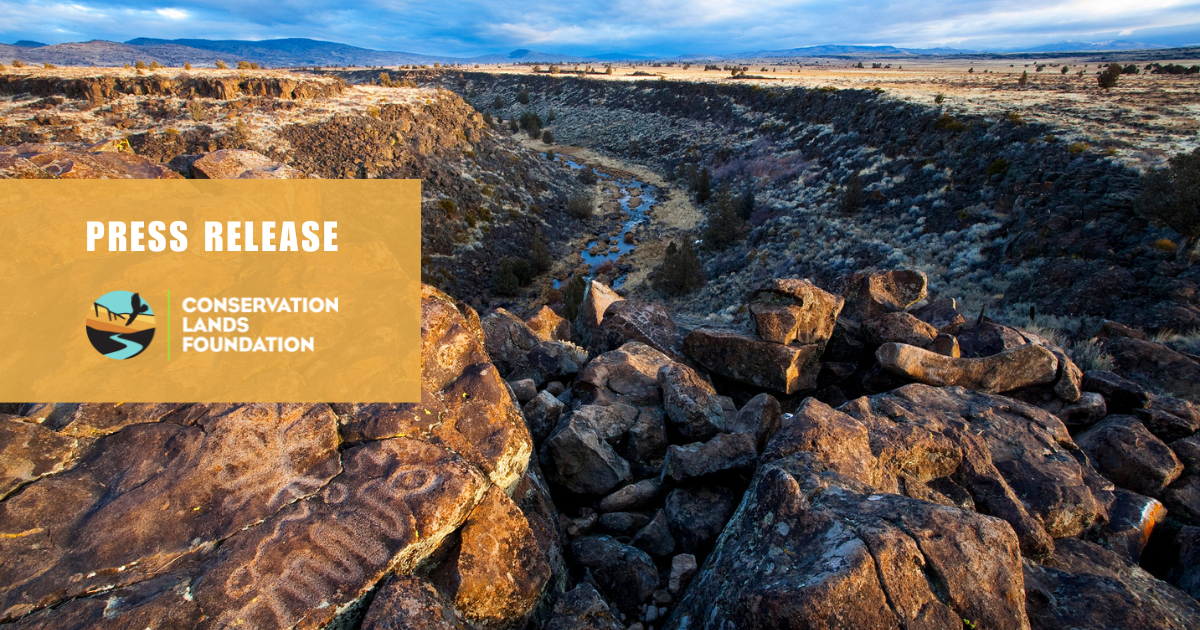
Groups intervene to block Utah and Wyoming lawsuit against Bureau of Land Management’s Public Lands Rule.

Durango, CO - Earlier this week, litigation was filed attempting to undermine the Bureau of Land Management's (BLM) Public Lands Rule. The states of Utah and Wyoming filed litigation in federal district court in Utah attempting to send the BLM's new rule putting conservation on equal footing with extractive uses like oil and grass drilling and mining back to the drawing board. The Public Lands Rule, brings balance to the management of our public lands and waters in the U.S., and garnered overwhelming support from the public during the Bureau of Land Management’s robust public comment process: 92% of public comments submitted were in support of BLM’s new direction. Statement from Jocelyn Torres, Interim Co-Executive Director at Conservation Lands Foundation: “The Conservation Lands Foundation is disappointed, though not surprised, by the lawsuits from Utah and Wyoming and their misguided attack on our nation’s public lands. The Public Lands Rule has broad support nationwide and throughout western states as it elevates conservation, recreation, and wildlife to be on par with extractive uses at a crucial time in our fight to prevent further climate and biodiversity crises. As families are embarking on summer outdoor adventures visiting public lands and creating lasting memories, it is terrible that those same public lands are under attack. CLF remains steadfast in its commitment to support and defend the Public Lands Rule, ensuring the preservation of our nation’s public lands and all the benefits they provide for our current and future generations." ####
Today the Bureau of Land Management (BLM) announced its finalization of the Public Lands Rule , a bold, new vision for the future of public lands and waters in the U.S. This new blueprint marks a significant balancing of how the agency is to assess management priorities by putting conservation on equal footing with extractive uses like oil and gas drilling and mining. “The Public Lands Rule is a necessary ‘operating system’ update for the largest federal land manager and reflects the reality that protecting the health of our natural resources is a valuable and essential management strategy,” said Jocelyn Torres, Conservation Lands Foundation’s Co-Interim Executive Director and Chief Conservation Officer. Nearly 40% of all U.S. public lands are stewarded by the Bureau of Land Management and its mission is to manage public lands for multiple uses, a mandate that includes conservation. Yet 90% of these lands are open to extraction and other commodity-driven development. This long-overdue policy changes the way the agency manages public lands, ensuring wildlife habitat and corridors, watersheds, and cultural resources are protected for future generations. Act Now: Thank President Biden, Secretary Haaland, and the Bureau of Land Management for making conservation a priority
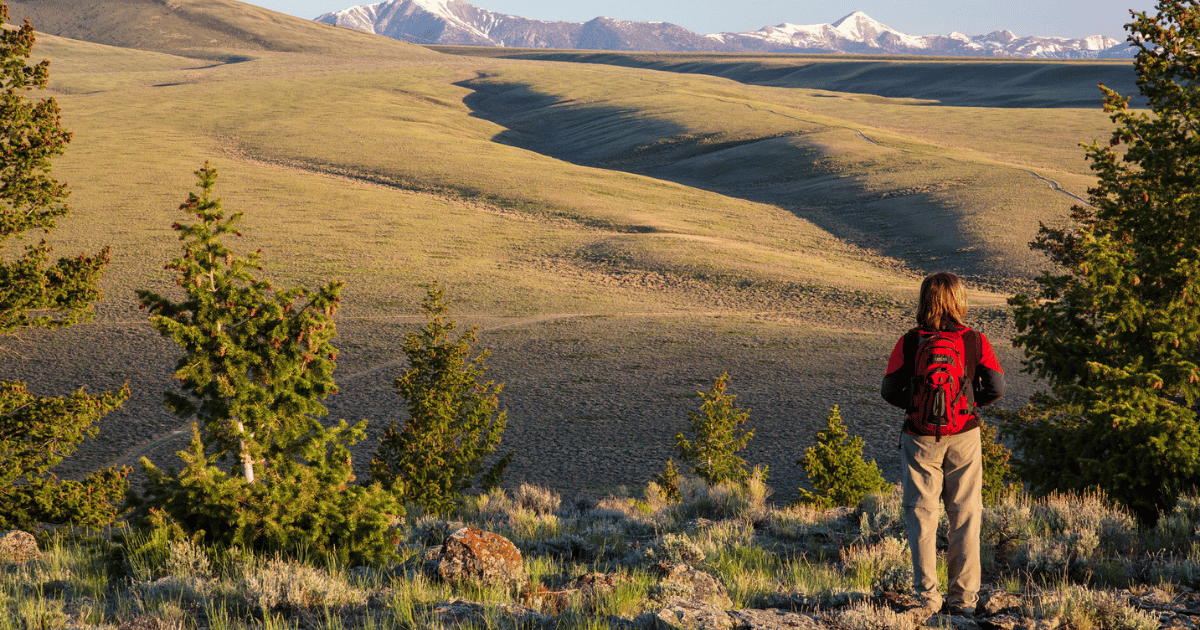
Washington, D.C. - Today, the Bureau of Land Management (BLM), the agency responsible for overseeing the management and public enjoyment of 245 million acres of lands and waters across the United States, announced its finalization of the Public Lands Rule . This new blueprint marks a significant balancing of how the agency is to assess management priorities by putting conservation on equal footing with extractive uses like oil and gas drilling and mining. “This Public Lands Rule is a necessary ‘operating system’ update for the largest federal land manager and reflects the reality that protecting the health of our natural resources is a valuable and essential management strategy,” said Jocelyn Torres, Conservation Lands Foundation’s co-interim executive director and chief conservation officer. “The Public Lands Rule allows the BLM to better address the growing pressures and impacts on Western communities from climate-related impacts, like wildfires and drought, and increased public demand for recreation and access to nature,” said Torres. “The rule enables the BLM to better use its tools to manage public lands and waterways that are vital ‘connective tissue’ across the western United States and provide critical corridors for wildlife between big wilderness areas and national parks and smaller private, state and county lands. These are also places that support local economies, generating 4.3 million outdoor recreation jobs in the country.” “We thank President Biden, Secretary Haaland and the Bureau of Land Management for recognizing the profound importance of public lands in the U.S. and their role in providing clean air and water, essential habitat for wildlife and plants, cultural continuity for Indigenous communities and abundant recreational opportunities,” said Torres. For almost a century, the agency has largely focused on resource extraction and other multiple uses. The Public Lands Rule received overwhelming public support. During the agency’s 90-day comment period for the draft rule, various stakeholders from recreationists and Tribal communities to ranchers, energy developers, and hunters and anglers weighed in on the proposed policy and 92% of public comments submitted to the agency were in support of the Public Lands Rule. The Public Lands Rule will accelerate the pace of conservation for roughly 53 million acres of public lands currently in active planning and shape how more than 240 million acres of public lands are managed for decades to come. The Conservation Lands Foundation encourages the public to take immediate action by thanking the Biden administration and urging the Bureau of Land Management to act quickly to implement the Rule. The public can learn more by visiting https://www.blm.gov/public-lands-rule and take action here . ###
A clear majority of voters in public lands states want to see conservation better incorporated into federal planning. BLM Public Lands Rule Backed by Clear Majority in Western States A strong majority of voters across the political spectrum support the new Bureau of Land Management's new rule to give conservation equal footing with other uses of public lands according to a new poll released today by the Center for Western Priorities , which surveyed Arizona, Colorado and Nevada. "This poll confirms what we knew all along -- the people who live in communities most impacted by the rule want to see it happen," said Danielle Murray, Senior Policy and Legal Director at Conservation Lands Foundation. "All the noise coming from politicians in Washington D.C. shouldn't distort the truth: Conservation is popular and voters want it to have equal footing for other land uses." The poll asked voters if they wanted conservation to be "a use of the land, equal to other uses such as mining, oil drilling, and mining." Here are the levels of support it found in each state: 66% of Arizonans 70% of Coloradans 66% of Nevadans Learn more about the campaign to balance public lands management through the new rule at ActNowForPublicLands.org.
Reno, NV - Today, the Bureau of Land Management (BLM) will host a public meeting for the proposed Public Lands Rule in Reno. The rule is a once-in-a-generation opportunity that puts conservation on equal footing with other uses within the agency. Nevadans are encouraged to take advantage of this opportunity to make their voices heard, and urge the BLM to elevate conservation and bring balance to how these public lands are managed for generations to come. Event Details: Public Meeting on BLM Public Lands Rule Date: Today, Thursday, June 1 Media Availability: 4:30 p.m. to 5:00 p.m. PT (Public Meeting from 5-7pm PT) Location: Reno-Sparks Convention Center, 4950 S Virginia Street, Reno The BLM oversees the management and public enjoyment of 245 million acres of lands and waters across the United States—including 48 million acres in Nevada. The vast majority of BLM lands are open for oil and gas development and other extractive uses - 90%, while less than a tenth is set aside for conservation. The proposed rule would change future BLM planning and management by ensuring they consider and manage for a resilient ecosystem, which includes protecting intact landscapes, and achieving land health by applying land health standards. The proposed rule also identifies tools to advance conservation management, including: Areas of Critical Environmental Concern, mitigation, restoration and conservation leasing. The Reno meeting is a part of a nationwide 75-day public comment period, on the agency’s new plan for how it will steward public lands under their care with a rebalanced focus on conservation, water, cultural resource protection and wildlife. We applaud BLM for attempting to rebalance conservation and climate impacts, and are making several recommended improvements to the rule. They are as follows: Habitat Connectivity: The final rule should require the identification and protection of habitat connectivity areas, in accordance with the BLM interim policy. Old Growth and mature forests: The final rule should ensure that, in accordance with Executive Order 14072, older and mature forests are adequately protected and restored. Intact natural landscapes: The final rule must ensure that, prior to approving any development action, the BLM has conducted an inventory of intact natural landscapes, including lands with wilderness characteristics, and determined that the action will not degrade any intact natural landscape. Areas of Critical Environmental Concern (ACECs): The final rule should ensure that all eligible areas that meet the criteria are designated as ACECs and are properly managed. Tribal Consultation and Co-management: BLM should consult with Tribes to further develop the regulatory language and ensure it fully advances opportunities for co-stewardship, incorporation of Indigenous Knowledge, respect for Tribal sovereignty and treaty rights, protection of Tribal cultural sites, and carrying out Tribal consultation in ways that honor the unique historic and current connections of Native Americans to public lands. We encourage Nevadans and all Americans to submit their own public comment before the June 20th deadline. ####
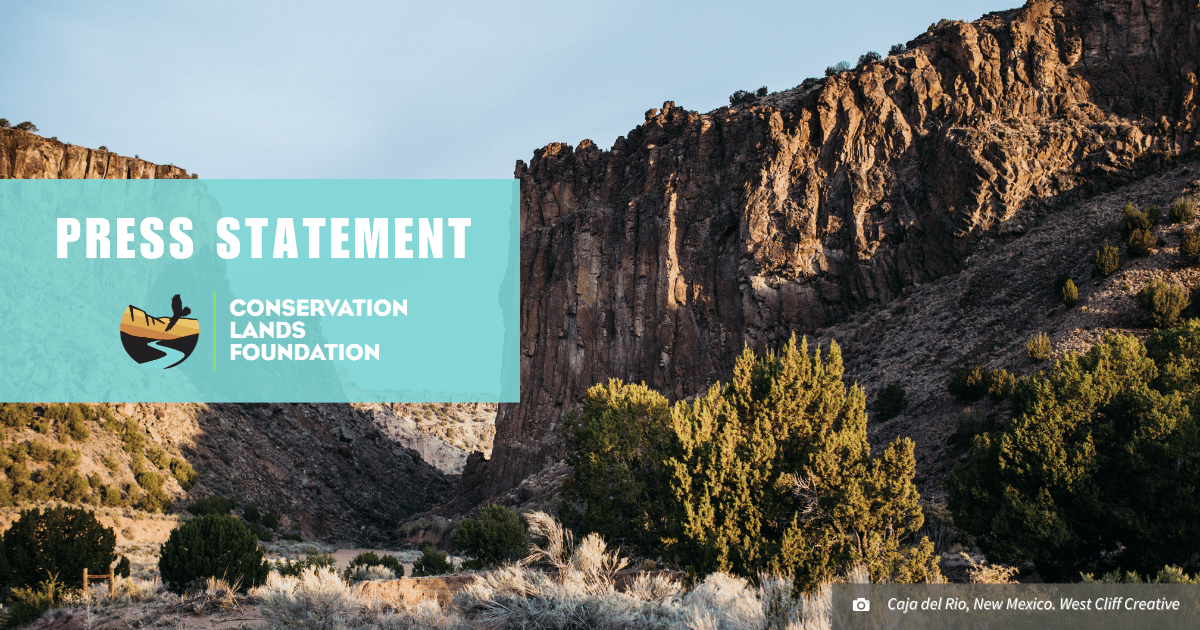
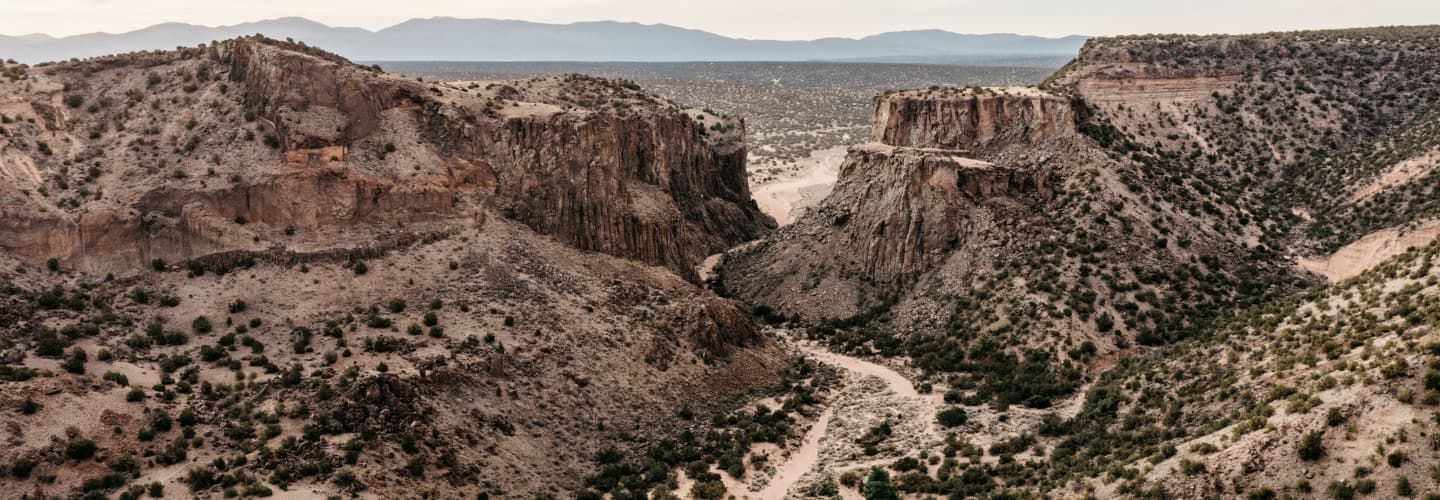
Albuquerque, NM – New Mexicans across the state commended the Bureau of Land Management (BLM)’s proposed public lands rule that will prioritize conservation in land management decisions. The agency is holding its second in-person meeting in Albuquerque today to answer questions from the public about the proposal. The BLM plays a critical role in New Mexico, managing over 13.5 million acres of lands across the state. Known as the “Public Lands Rule,” the proposal highlights the need for the agency to work with local communities to focus on the conservation of land, water, and wildlife to ensure people can protect future access to federal public lands while combating the growing impacts of climate change. The draft Rule also encourages BLM managers to work more closely with tribal nations to ensure cultural resource protection in New Mexico and across the West. In addition, the Rule provides consistent direction to land managers to prioritize the inventory, designation, and special management of Areas of Critical Environmental Concern (ACECs). In addition to the meeting today in Albuquerque, the public has until June 20, 2023 to comment on the Rule. Bringing conservation on equal footing with the many other uses of BLM lands would boost rural economies that depend on beautiful lands and clean water. The draft plan helps ensure a future in which people can continue to enjoy hiking and biking, hunting and fishing, and other forms of outdoor recreation, giving businesses the assurances they need to grow and thrive. According to the Bureau of Economic Affairs, the outdoor recreation economy in New Mexico generates $1.1 billion in wages and salaries, almost 26,000 jobs, and almost 2% of New Mexico’s GDP. In 2022, businesses that serve communities that depend on BLM lands sent a letter calling for greater protections. New Mexicans and leaders across the West have long been urging the BLM to update its policies to ensure the conservation of our cherished landscapes. Senator Martin Heinrich, along with other Western Senators, sent the Biden administration a letter encouraging the BLM to do more to protect more lands; and similarly, Representatives Melanie Stansbury and Teresa Leger Fernández recently sent a letter signed by 40 members of the House calling on Interior Secretary Deb Haaland to direct the BLM to help Western states meet the challenges of the climate crisis by administratively protecting more public land. Local elected leaders have likewise called for greater BLM conservation. The Public Lands Rule will help the agency better implement and balance its multiple use and sustained yield mission. This long overdue guidance is needed to update BLM’s policy framework to address the land management challenges of today, including rising temperatures, drought, and loss of nature in New Mexico and across the West. Areas in New Mexico that could benefit from the BLM’s new Rule: Caja del Rio ACECs: Two ACECs just outside of Santa Fe are known for petroglyphs dating back 8,000 years, other cultural resources, wildlife and special status species, geologic features, and scenic values. The La Cieneguilla Petroglyph Site, located within the Caja del Rio, was recently vandalized again, and Pueblo leaders are asking for more patrols and resources to protect this site. Greater Chaco ACECs: Chaco Canyon was designated in 1987 as one of 24 UNESCO World Heritage Sites in the United States based on its importance as the center of Puebloan cultural and economic life during the 9th, 10th, and 11th centuries. The area holds thousands of artifacts and archaeological sites—some of which have yet to be identified and studied. Many tribes throughout the Four Corners are the direct descendants of the Chacoan people and consider the region their traditional homelands. The BLM’s current management plan, adopted in 2003, designated 79 ACECs within the Greater Chaco landscape to protect cultural resources. Unfortunately, these ACECs are small and fail to protect landscape-scale features of cultural importance. Since 2012, the BLM has been working to revise the management plan. However, the BLM rejected a 2014 nomination for a landscape-level ACEC, and the agency issued a draft plan in 2020 that declined to consider additional ACEC designations and included numerous exemptions for oil and gas drilling. Otero Mesa: This area encompasses the largest remaining Chihuahuan desert black grama grassland and is home to pronghorn antelope, black-tailed prairie dogs, and numerous bird species. It has long been a priority for sportsmen groups like New Mexico Wildlife Federation. The area has been proposed as a Backcountry Conservation Area (BCA) since 2016 and an ACEC since 2008. The draft rule provides critical guidance to BLM for protecting areas with outdated resource management plans. For example, the Carlsbad Field Office has been working for over a decade to revise its current plan, adopted in 1988, which governs the management of several areas that have been nominated for ACEC designation: Carlsbad Chihuahuan Desert Rivers ACEC: The Carlsbad Chihuahuan Desert Rivers proposed ACEC – totaling 108,474 acres – includes the riparian corridors of the Delaware, Pecos, and Black rivers. The ACEC would protect cultural, historic, scenic, plant and animal, geologic, paleontological, soil, karst, and riparian resources. Salt Playas ACEC: The Salt Playas proposed ACEC – totaling 49,772 acres – would protect Carlsbad’s salt lakes, which serve as essential stops for migratory shorebirds and have significant archeological and historical values. Birds of Prey Grasslands ACEC: The Birds of Prey Grasslands proposed ACEC – totaling 349,355 acres – contains significant grasslands and an extraordinarily high diversity of raptors and other birds. The area is located between two principal routes of the Central Flyway, which is one of four waterfowl flyways in North America. Community Support for the Public Lands Rule “We are grateful that the Bureau of Land Management is holding these public meetings on the proposed public lands rule. This rule is critical to ensuring that New Mexico’s and America’s cherished public lands are managed in a balanced manner so that wildlife and local communities will benefit now and well into the future. We look forward to working with the agency as it implements this long-overdue rule and applaud the BLM for continuing to expand collaboration with local communities and Tribes. As a whole, this important new rule helps ensure that public lands are given the responsible stewardship, resources and protections they so desperately deserve.” - Rev. Andrew Black, the public lands field director at the National Wildlife Federation, founder of Earthkeepers360, and minister at First Presbyterian Church in Santa Fe “The proposed BLM conservation rule will give a new tool to land managers, the public, and state and Tribal governments to engage in collaborative land stewardship that aims to caretake watersheds, reduce wildfire risks, improve habitat resilience, provide for responsible development, and expand recreation opportunities. The new rule is not a quick or easy fix but encourages robust dialogue—and hopefully action— between those who use our public lands. Multiple uses of land, water, and wildlife for generations to come is clearly worth discussion.” - Jennifer Black, New Mexico Artemis Sportswoman “We applaud the BLM for their new Public Lands Rule. New Mexicans have worked for generations to protect our state’s one-of-a-kind natural and cultural resources. The BLM’s new rule will ensure that conservation is balanced with other uses helping communities protect special places like Otero Mesa and Chaco Canyon,” said Michael Casaus, New Mexico State Director of The Wilderness Society. “Our congressional delegation have all been huge champions for conservation across the state, but they need good federal partners to ensure critical landscapes are protected. This new Public Lands Rule will give federal land managers clear direction and guidance to help them prioritize protect our state’s natural and cultural treasures for generations to come.” - Michael Casaus, New Mexico State Director of The Wilderness Society “It’s essential that New Mexico hunters and anglers make themselves heard in this rule-making process. Our public lands belong to all of us, and we need to insist that conservation have a seat at the table when we’re planning how to manage them now and into the future.” - Jesse Deubel, executive director of the New Mexico Wildlife Federation. “The Caja del Rio is a profoundly important cultural landscape that sustains traditional Hispano and Tribal cultures still to this day. To not do anything to conserve and protect this place yet reap what we have inherited is a sin. The Caja has to be passed on to my children’s children in better shape than I received it, no questions asked, and this starts with enhanced protections by the Bureau of Land Management.” - Julian C. Gonzales Jr., lifelong sportsman, veteran, rancher, multi-generational New Mexican, and New Mexico Wild Grassroots Organizer “The world class hunting, fishing and outdoor recreation opportunities Bureau of Land Management lands provide New Mexicans, and our state’s culture, heritage and way-of-life are forever connected to these protected lands. In Santa Fe County, the destruction of petroglyphs within the Caja del Rio Area of Critical Environmental Concern (ACEC) should be a call-to-action for the Bureau of Land Management. It is time to ensure that no further damage is done, and I am hopeful a strong Public Lands Rule from the BLM can honor the stewardship of the Puebloan people and protect these areas for generations to come.” - Anna Hansen, Santa Fe County Commission Chair “As a proud New Mexican and public lands advocate, I am thrilled to see the overwhelmingly positive response to the new Public Lands Rule, which prioritizes the protection of our public lands, cultural resources, and wildlife. This rule represents a significant step forward in our efforts to combat the growing impacts of climate change while preserving our cherished outdoor spaces for future generations. I am grateful for the tireless advocacy of our communities and tribal nations who have worked hard to ensure that these lands are protected and accessible to all. The BLM's renewed focus on conservation, recreation, and cultural resource protection is essential for the economic well-being of our rural communities and small businesses that rely on these lands. I am excited to see how this new policy will help us address the challenges of managing public lands in New Mexico and across the West, and I look forward to hearing from the public as we continue to refine and implement this critical rule.” - Keegan King, CEO of Native Land Institute “We’re encouraged to see the Bureau of Land Management’s new Public Lands Rule, and the positive impacts it will have on how public lands are managed in New Mexico and around the country. This rule will help rebalance the agency’s land management priorities and put conservation on equal footing with other uses. In a rapidly changing climate, it’s time for the BLM to manage public lands in New Mexico and across the West in a way that combats climate change, safeguards watersheds and protects our way of life for the benefit of future generations.” - Romir Lahiri, New Mexico Associate Program Director of Conservation Lands Foundation “Over 120 local elected officials from Western states have called on the Biden administration to protect more Bureau of Land Management lands as part of the administration’s America the Beautiful initiative. We look forward to the BLM hearing about why the Public Lands Rule is so important to New Mexicans, and how it can conserve and protect our nation’s important public lands, wildlife, and waters in tandem with locally-led efforts to advance conservation across New Mexico.” - Anna Peterson, Executive Director of The Mountain Pact “I’m encouraged to see BLM’s new Public Lands Rule, which prioritizes the protection of our public lands and natural and cultural resources. My home state of New Mexico has so many fragile cultural and natural resources that lie beyond significant protection from various types of development and encroachment. This new rule places conservation on a par with BLM’s other multiple uses and the timing is critical for so many threatened places and resources.” - Paul F. Reed, Preservation Archaeologist, Archaeology Southwest “In New Mexico, we’ve seen devastating climate impacts on our public lands. Whether it’s drought, invasive species, wildfire, or over-use, many ecosystems are struggling and need to be safeguarded or restored. This proposed rule is long-overdue and will give the Bureau of Land Management new tools to ensure that our wildlife, our lands and waters, our sporting heritage, and rural traditional communities can thrive for generations to come.” - Max Trujillo, San Miguel County Commissioner and Senior Field Coordinator of Hispanics Enjoying Camping, Hunting, and the Outdoors (HECHO) “BLM Lands in New Mexico make up an important part of our local economy. People come from near and far to hike, bike, and more on these lands, and they spend their dollars in our stores, our hotels, and with our outfitter guides. Simply put, small, locally owned businesses like mine depend on BLM lands and we need to protect them. I am excited for New Mexicans to share with the BLM what these lands mean to them.” - Ivan Valdez, Reel Life Santa Fe “America’s parks and public lands are places of exploration and inspiration. Inappropriate development and activities on lands surrounding and connected to parks can directly impact park resources as well as visitor experience. The BLM’s vision provides a more balanced approach to conservation, development, and recreation. Parks and public lands are among the nation’s most iconic open areas of the West that drive tourism, offer refuge for wildlife, provide access to nature, and safeguard innumerable stories of human experiences on the land. Now is the time to save these critical places that are the backbone of a vibrant future.” - Emily Wolf, New Mexico Program Coordinator for the Southwest Region of the National Parks Conservation Association Background on the BLM in New Mexico There are 13.5 million acres of Bureau of Land Management (BLM)-managed lands in New Mexico, making it the largest land manager in the state. 88% of the lands managed by BLM in the state of New Mexico are open to oil and gas development, while only 11% of the lands are protected. Currently, 4.3 million acres of BLM managed minerals in New Mexico are under lease for oil and gas development. That's nearly 32% of the total acres of BLM-managed lands in the state. There are 18 BLM designated wilderness areas in New Mexico, totaling 455,794 acres or less than 1% of the state’s total land mass and 3.3% of the total acres of BLM-managed lands in the state. There are 48 BLM wilderness study areas in New Mexico totaling 725,006 acres or just under 1% of the state’s total land mass and slightly over 5% of the total acres of BLM-managed lands in the state. There are 344,459 acres of BLM-identified lands with wilderness characteristics (sometimes referred to as “LWC areas”) or less than 1% of the state’s total land mass and 2.5% of the total acres of BLM managed lands in the state. New Mexico Wild has identified an additional 2.9 million acres of BLM-managed lands it determined also have wilderness characteristics. The BLM does not currently manage these wilderness quality lands to protect their cultural and ecological values. ###
Growing Support for Largest Federal Public Lands Manager to Embrace Conservation Vision