
Search results for 'nevada' (25)
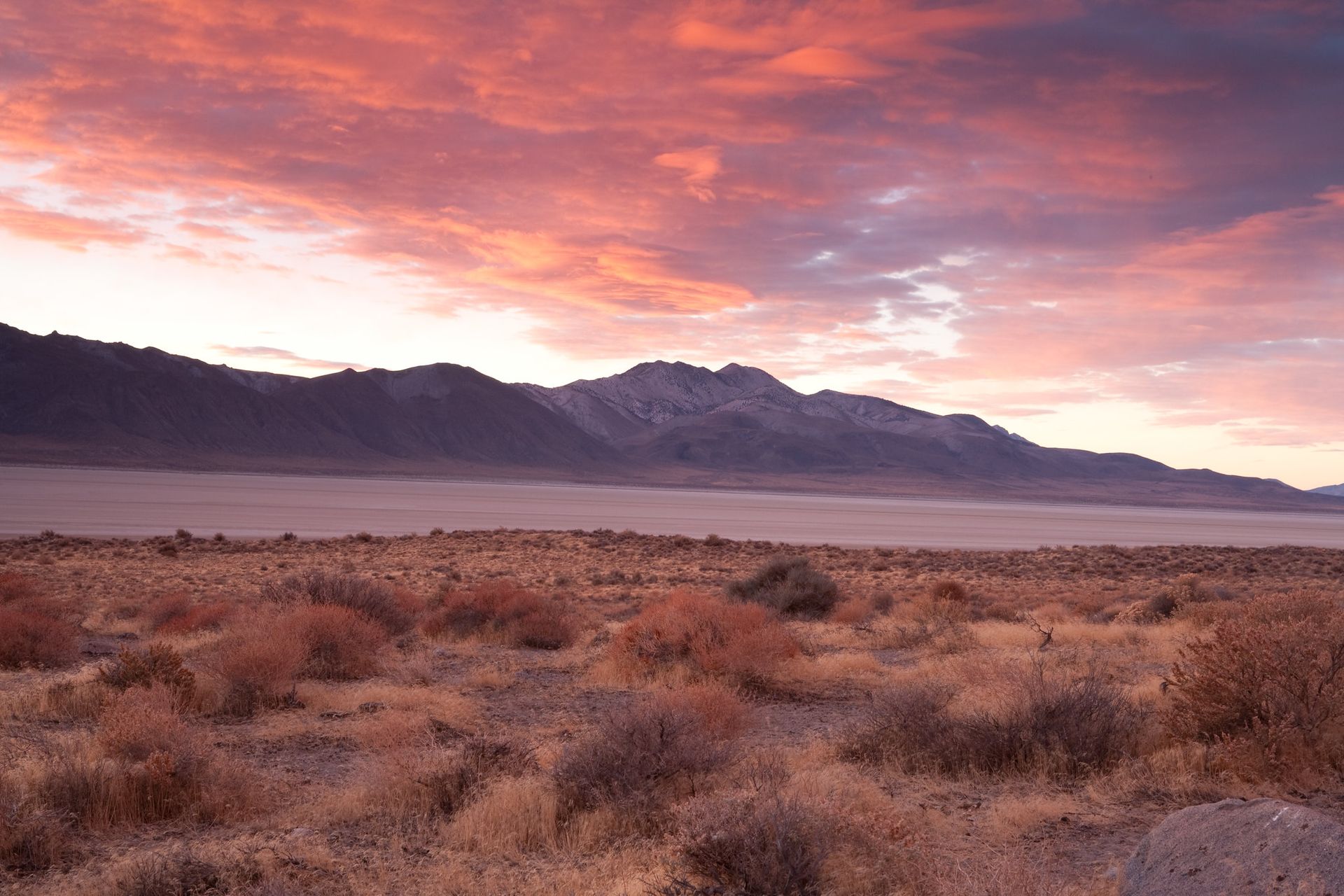
FOR IMMEDIATE RELEASE - July 16, 2026 Contact: Kris Deutschman kris@conservationlands.org 916-425-7174 LAS VEGAS, NV // WASHINGTON, D.C. — Conservation Lands Foundation registered its support for amendments to the Northern Nevada Economic Development Conservation Act of 2025, which passed out of the House Committee on Natural Resources on July 15, on a 23-12 vote. According to Bertha Gutierrez, Nevada-based Senior Program Director for the Conservation Lands Foundation, “The amendments create meaningful conservation in Northern Nevada, resolve important infrastructure issues for the communities, and benefit Tribal Nations.” “We’re encouraged to see bi-partisan support for nearly 150,000 acres of new Wilderness Areas and the conveyance of more than 2,000 acres of important cultural sites into trust for the Washoe Tribe of California and Nevada,” said Gutierrez. Conservation highlights of the bill include: Permanently protecting key sage grouse habitat in the state through the designation of over 12,000 acres of new Burbank Canyons Wilderness area managed by the Bureau of Land Management in Douglas County, Nevada; Enhancing land management of the Lake Tahoe-Nevada State Park by conveying 67 acres of Federal land within the park to the State of Nevada; Conveying over 2,000 acres of important cultural sites to be held in trust for the Washoe Tribe of California and Nevada; Permanently protecting over 136,000 acres of BLM lands through the designation of seven Wilderness Areas in Pershing County, Nevada . The Conservation Lands Foundation, represents a national network of advocates who are solely focused on the National Monuments and National Conservation Lands managed by the Bureau of Land Management. ###
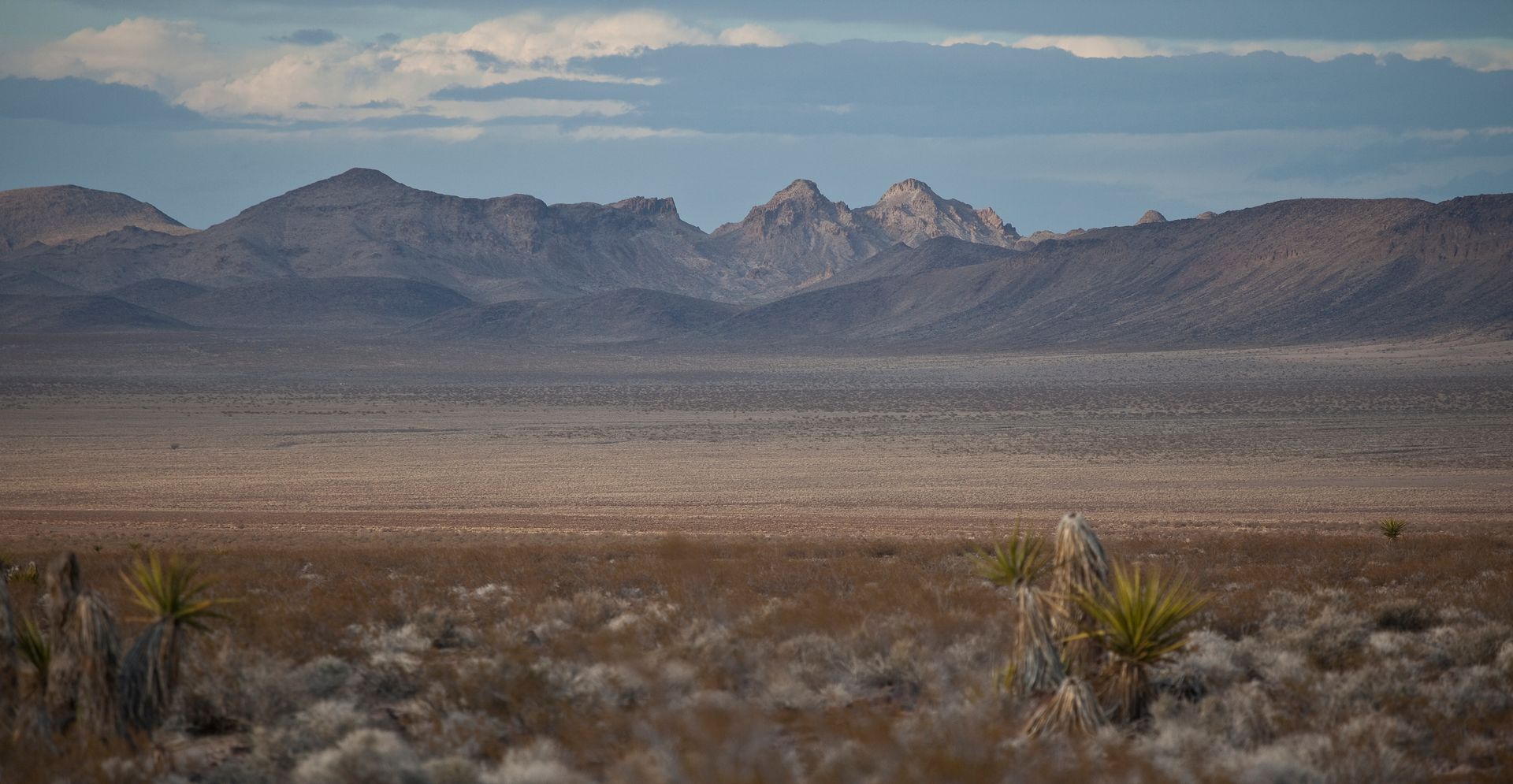
Sloan Canyon National Conservation Area, which protects more than 48,000 acres of Southern Nevada’s Mojave Desert, was expanded by nearly 9,300 acres with the signing by President Trump of the Sloan Canyon Conservation and Lateral Pipeline Act (H.R. 972).
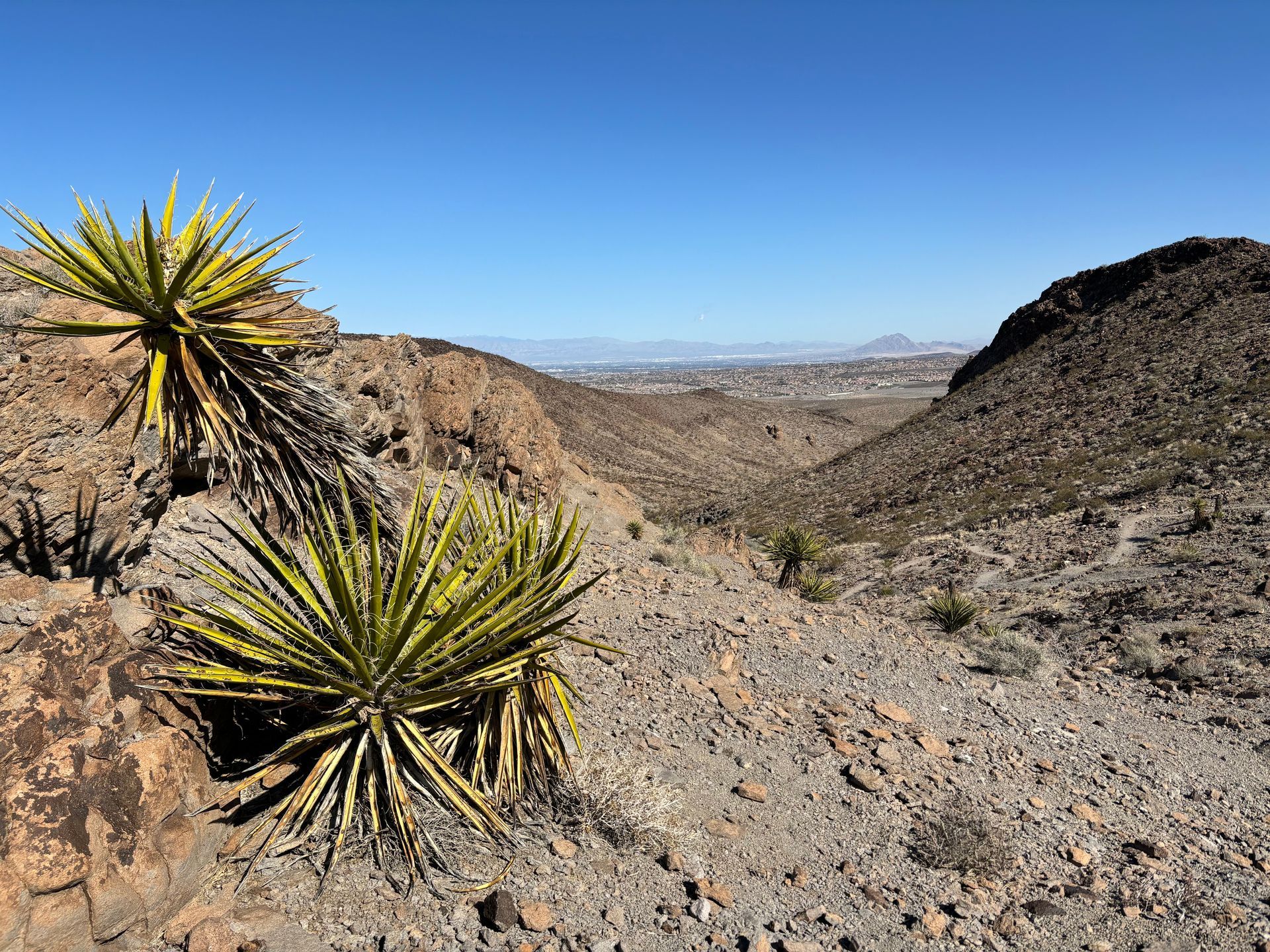
FOR IMMEDIATE RELEASE February 26, 2026 Contact: Kris Deutschman, kris@conservationlands.org, Bertha Gutiérrez, bertha@conservationlands.org Las Vegas, NV - The Conservation Lands Foundation celebrates the passing of the Sloan Canyon Conservation and Lateral Pipeline Act (H.R. 972) led by Representative Dina Titus (D-Nevada) and Senator Catherine Cortez Masto (D-Nevada), which expands Sloan Canyon National Conservation Area in Southern Nevada by almost 9,300 acres as mitigation for important water infrastructure needed in Southern Nevada. The bill, which passed unanimously in both the House and Senate, is now headed to the President’s desk for his signature. The bill ensures that a water pipeline project by the Southern Nevada Water Authority (SNWA) may be constructed underground through the Sloan Canyon National Conservation Area. The authority to grant right-of-way access to SNWA in a permanently protected area had to be granted by Congress. “The Horizon Lateral project is an example of how infrastructure projects on National Conservation Lands can have minimal ground disturbance, mitigate anticipated impacts, and address community needs while ensuring the objects and values for which the area was protected remain protected. This legislation is a positive example of a bill that strikes a balance between conservation and development with input from local advocates. We applaud the leadership and commitment of Senator Cortez Masto and Representative Dina Titus to advance balanced public lands legislation” said Jocelyn Torres, Chief Conservation Officer at the Conservation Lands Foundation.
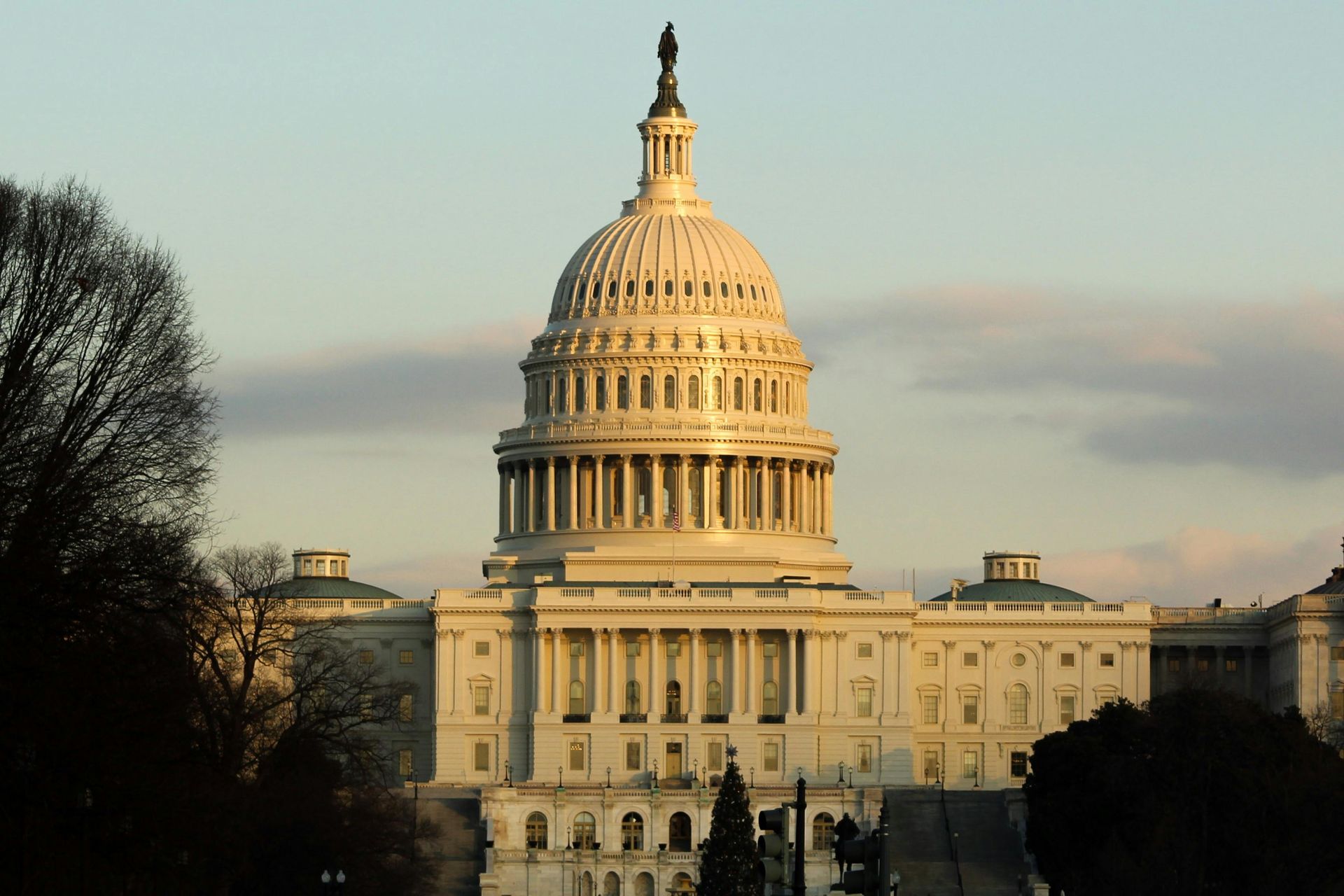
Washington, D.C. — The Senate Energy and Natural Resources Committee heard five conservation bills, which will enact much-needed new protections for public lands in Colorado, Nevada and New Mexico. Below is a statement from Chris Hill, CEO of the Conservation Lands Foundation, which represents a national network of community advocates who are solely focused on the public lands overseen by the Bureau of Land Management, including the National Conservation Lands: “We thank the champions in the Senate who introduced and continue to move forward these important bills that protect the public’s access to nature and essential wildlife habitats, while supporting Tribal culture and economies. It’s heartening to see the Senate advance meaningful public lands policy with the bipartisan support we know exists with their constituents. These bills include: S. 1005 Southern Nevada Economic Development and Conservation Act, sponsored by Senators Cortez Masto and Rosen of Nevada. S.764 Colorado Outdoor Recreation and Economy (CORE) Act, sponsored by Senators Bennet and Hickenlooper of Colorado. S. 1195 Pershing County Economic Development and Conservation Act, sponsored by Senator Rosen of Nevada. S. 1319 Pecos Watershed Withdrawal and S. 1476 M.H. Dutch Salmon Greater Gila Wild and Scenic River Act, both sponsored by Senators Heinrich and Luján of New Mexico. “These bills honor our collective commitments to strengthen our bonds with the lands we know and love and we urge the Senate Energy and Natural Resources Committee to ensure they are passed by the full Senate quickly.” ###
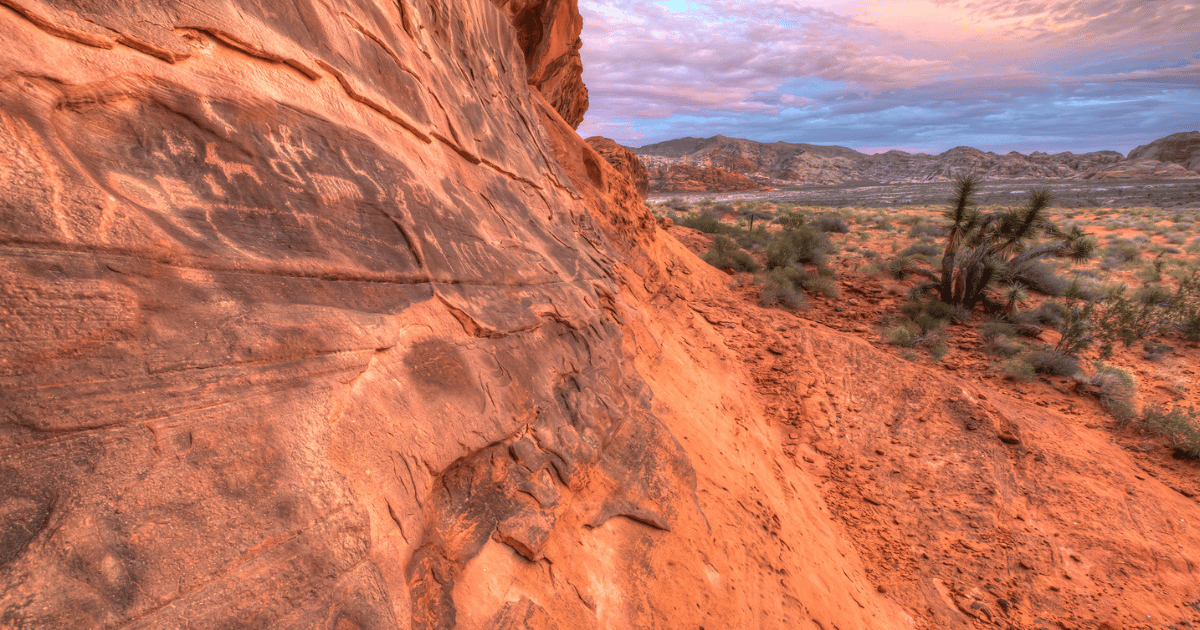
The original editorial piece is by the Las Vegas Sun. To read the original piece click here. National monuments, including Nevada’s own Gold Butte and Avi Kwa Ame, are under attack, again. President Donald Trump and Interior Secretary Doug Burgum have launched a sweeping review of federal lands, setting the stage for yet another attempt by Trump to dismantle protections for some of America’s most cherished landscapes and sacred historic sites. We have seen this playbook before. In 2017, Trump slashed the boundaries of Bears Ears and Grand Staircase-Escalante national monuments in Utah, the largest rollback of public land protections in U.S. history. It was a blatant giveaway to fossil fuel and ranching interests, and it sparked immediate public outrage. Conservationists, Native American tribes, outdoor recreation businesses and Western communities pushed back fiercely, leading President Joe Biden to restore the monuments upon taking office in 2021. Biden’s administration went further, using the Antiquities Act — a law signed by Teddy Roosevelt in 1906 to safeguard America’s historic and natural treasures — to increase the number of national monument designations across the country, including in Nevada, northern Arizona and southern Utah. These efforts recognized the importance of places like Avi Kwa Ame in Southern Nevada and Baaj Nwaavjo I’tah Kukveni in Arizona, both of which protect critical habitat while honoring the deep cultural ties of Indigenous people to the desert landscape of the Southwest U.S. These weren’t arbitrary decisions; they were the result of decades of advocacy by local communities and tribes determined to protect lands that hold historic, cultural, ecological, geological and aesthetic significance. But now, Trump and Burgum want to undo that progress. Their review, which echoes the attacks of Trump’s first term, threatens to shrink or eliminate these monuments altogether. It’s not just an assault on conservation, but also an insult to the millions of Americans who treasure these lands. For more than a century, presidents from both parties have used the Antiquities Act to protect some of America’s most iconic places. Grand Canyon, Arches, Zion and Olympic national parks all began as national monuments. Americans with otherwise conservative politics, including hunters, fishermen and other outdoor sportsmen, such as former President George W. Bush, have often led the charge to protect America’s natural beauty. They recognize that conservation is not a partisan issue, it’s an American value, and protecting “America the beautiful” requires protecting our clear, spacious skies, majestic mountains and shining seas. Trump and Burgum claim that an unspecified “energy crisis” justifies rolling back protections to allow for more drilling and mining. But with a few exceptions related to minerals needed for next-gen energy storage, the facts don’t support that. The United States is already producing oil at record levels and Nevada’s national monuments contain little to no viable fossil fuel reserves. As Jocelyn Torres, chief conservation officer of the Conservation Lands Foundation, said in a statement Friday: “With roughly 85% of (Bureau of Land Management) lands already available for energy production and Nevada’s monuments having little to no oil and gas potential, it’s crystal clear that these recent orders targeting the 15% of public lands that are protected for the public’s use have nothing to do with the nation’s energy portfolio and instead are sneaky attacks to sell off our public lands.” Moreover, this latest assault on public lands ignores one simple truth: most Americans, and especially Westerners, overwhelmingly support national monuments. Colorado College’s Conservation in the West poll has tracked public opinion on this issue for over a decade. In 2024, it found that 85% of Western voters support creating new national parks, monuments and wildlife refuges. Even among Republicans, there is strong support for preserving these lands, with more than 60% of Republicans expressing support. Many Nevada families also rely on public lands, as outdoor recreation, tourism and conservation-related jobs contribute billions to the Western economy. Removing protections doesn’t just threaten landscapes; it threatens livelihoods. “It is an unequivocal fact that national monuments improve local economies,” said Mandi Elliott, executive director of the Nevada Outdoor Business Coalition. “By threatening the newly appointed national monuments, the rural communities surrounding them are also being threatened.” Trump and Burgum’s attack on national monuments is a test of our values, of our commitment to future generations and of our willingness to fight for the lands that define our national character. We must meet this challenge head-on. Nevadans, Westerners and all Americans who cherish their public lands must make their voices heard. Call your representatives. Write letters. Show up at town halls. Let Trump, Burgum and every member of Congress know that these lands belong to the American people, not politicians looking to line the pockets of their donors. As Mathilda Guerrero Miller of Indigenous Voices of Nevada so powerfully stated: “This is not merely a policy issue — it’s a moral imperative to safeguard our shared heritage.” America’s public lands are not up for sale. They are our birthright. And we must fight to protect them — now, and always.
Washington, D.C. — Today, President Joe Biden announced steps to protect Southern Nevada’s Amargosa Valley, the heart of the Amargosa River watershed and a gateway to Death Valley National Park. This action by the President is in response to requests from Tribes, the local community, and our Friends Grassroots Network partners, the Amargosa Conservancy and Indigenous Voices Nevada, who have been fighting irresponsible development in the area threatening groundwater supplies. The Department of the Interior is initiating consideration of a 20-year withdrawal of the Amargosa Valley area from all extractive uses, subject to valid existing rights. The Bureau of Land Management submitted a withdrawal petition and application to Interior Secretary Deb Haaland. The approval of the petition and publication in the Federal Register initiates a two-year segregation that will prohibit new mining claims and the issuance of new federal mineral leases on approximately 308,890 acres in the Amargosa Valley area. The Federal Register notice, published today, initiates a 90-day public comment period on the proposed withdrawal. The Bureau of Land Management will prepare an environmental analysis and establish a public process to inform whether the lands should be withdrawn for a period of up to 20 years. Below is a statement from Chris Hill, Chief Executive Officer of the Conservation Lands Foundation, in response to: “We applaud President Biden for initiating this important step towards protecting critical habitat and water supply in Nevada’s Amargosa Valley, and thank Senators Cortez Masto and Rosen for championing and elevating this effort. We also applaud the BLM for listening to Nevadans and taking action to protect this sensitive arid desert landscape, and look forward to participating in the public process alongside our Friends Grassroots Network partners. The groundwater in Nevada's Amargosa Valley sustains the largest oasis remaining in the Mojave Desert home to 26 endemic species, including the critically endangered Devils Hole pupfish, making enhanced protections for this landscape warranted and needed.” ####
Washington, D.C. - Yesterday, the House Committee on Natural Resources advanced an amended version of the Northern Nevada Economic Development and Conservation Act, a legislative package introduced by Nevada Representative Mark Amodei. This amended version, changed without public input, removes all conservation provisions from the legislation—provisions that were the result of years of collaboration and compromise among Nevadans. The Conservation Lands Foundation, the only nonprofit organization solely dedicated to protecting public access to and safeguarding the lands managed by the Bureau of Land Management (BLM), strongly opposes this amended version of Representative Amodei’s legislation which drastically changes the original legislation developed and agreed upon by Nevada stakeholders. Jocelyn Torres, the Conservation Lands Foundation’s Chief Conservation Officer, issued the following statement in opposition to this last-minute change: “The House Natural Resource Committee’s unwarranted amendment to the Northern Nevada Economic Development and Conservation Act dismisses the thoughtfully negotiated agreements at the county level and erodes the trust and consensus built by local stakeholders. “For decades, Nevada has been a model of bipartisan success in bringing stakeholders together to advance legislation that supports economic development and the protection of cherished outdoor spaces. The amendment - added at the very end of a long legislative process - breaks from this tradition and undermines years of collaboration and good-faith negotiations by Nevadans. “The Conservation Lands Foundation remains steadfast in our support for the original legislative package that contained community-driven solutions for Northern Nevada, including the protection of cherished outdoor spaces like the Ruby Mountains. Conservation and development can and must go hand in hand to ensure a thriving future for all Nevadans. We urge Congress to reject the ANS to H.R. 3173 The Northern Nevada Economic Development and Conservation Act, and instead advance the original legislation that reflects Nevada’s proud history of fostering locally-driven solutions for both economic growth and conservation.” ###
Las Vegas, NV - As the only non-profit organization solely focused on protecting the public’s access to lands managed by the Bureau of Land Management, the Conservation Lands Foundation applauds the Senate Energy and Natural Resources Committee’s advancement of two Nevada public lands bills that prioritize conservation, recreation and cultural heritage. Statement from Jocelyn Torres, Chief Conservation Officer for the Conservation Lands Foundation based in Nevada: “The Conservation Lands Foundation applauds Senators Catherine Cortez Masto and Jacky Rosen’s leadership in crafting legislation with community members and Tribal Nations that advance significant land solutions for the state. The Southern Nevada Economic Development and Conservation Act and the Truckee Meadows Public Lands Management Act protects wildlife habitat, access to outdoor recreation and Nevada’s unique landscapes, and convey lands of significant importance to Indigenous communities. “We celebrate the expansion of Red Rock Canyon and Sloan Canyon National Conservation Areas and the proposed designation of five new National Conservation Areas in Northern Nevada, including the Massacre Rim Dark Sky, Smoke Creek and the Pah Rah. We are committed to supporting Nevada’s Senators in passing these two community-focused bills through Congress. “Conserving America’s public lands is a key strategy to ensure the future for wildlife and the health of our communities. The historic protections these bills will bring are a positive step forward. We thank Senators Cortez Masto and Rosen for advancing conservation and outdoor recreation priorities.” ###
CONSERVATION LANDS FOUNDATION APPLAUDS NEVADA SENATOR CATHERINE CORTEZ MASTO FOR REINTRODUCING THE SOUTHERN NEVADA ECONOMIC DEVELOPMENT AND CONSERVATION ACT Las Vegas, N.V. - On June 5, 2024, Senator Catherine Cortez Masto re-introduced the Southern Nevada Economic Development and Conservation Act , a bill that protects nearly two million acres of public lands in Southern Nevada. The Conservation Lands Foundation applauds the re-introduction of the largest public land conservation legislation in the history of Nevada. “Conserving America’s public lands is a key strategy to ensure the future for wildlife and the health of our communities and address the climate, biodiversity and public health crises. The Southern Nevada Economic Development and Conservation Act will play a critical role in safeguarding Nevada’s future by permanently protecting areas within the Desert National Wildlife Refuge as Wilderness and expanding protections for Red Rock Canyon and Sloan Canyon National Conservation Areas. We thank Senator Cortez Masto for striking the right balance and advancing conservation priorities for the region and the nation,” said Jocelyn Torres, Interim Co-Executive Director at the Conservation Lands Foundation. “The legislation would add to Senator Cortez Masto’s already strong conservation record, which includes securing designations for Avi Kwa Ame National Monument, Pistone-Black Mountain and Numunaa Nobe National Conservation Areas, and several Wilderness areas,” said Torres. ####

Ka-ma-thuu (How are you)? Ka-havk kee-theek ke-nak ka’avk (Come in, sit down, and listen). The world was a little different when I was a boy. In the evening time, after swimming all day and playing in the desert, we would go home, and after everything was done, we didn’t have television sets or radios – a lot of us didn’t have electricity or running water, so we’d sit outside, and the old people would come and sit in a circle and just talk, and listen to Eech-ka-nav, what we call the storyteller. I remember the old people, the way they talked, their words were very deep and direct and strong, because they spoke from the heart. In the first times, we were many, free to roam the lands, free to practice our beliefs and traditional ways. When I was young, it was good to feel the earth beneath my bare feet, to swim and drink water straight from the mighty Colorado river. We ate the fruits and plants that grew throughout the land, we prayed and worshiped at our sacred sites. For the southwest tribes, the desert was like a paradise. To us, the desert plants were like a huge medicine cabinet.
Reno, NV - Today, the Bureau of Land Management (BLM) will host a public meeting for the proposed Public Lands Rule in Reno. The rule is a once-in-a-generation opportunity that puts conservation on equal footing with other uses within the agency. Nevadans are encouraged to take advantage of this opportunity to make their voices heard, and urge the BLM to elevate conservation and bring balance to how these public lands are managed for generations to come. Event Details: Public Meeting on BLM Public Lands Rule Date: Today, Thursday, June 1 Media Availability: 4:30 p.m. to 5:00 p.m. PT (Public Meeting from 5-7pm PT) Location: Reno-Sparks Convention Center, 4950 S Virginia Street, Reno The BLM oversees the management and public enjoyment of 245 million acres of lands and waters across the United States—including 48 million acres in Nevada. The vast majority of BLM lands are open for oil and gas development and other extractive uses - 90%, while less than a tenth is set aside for conservation. The proposed rule would change future BLM planning and management by ensuring they consider and manage for a resilient ecosystem, which includes protecting intact landscapes, and achieving land health by applying land health standards. The proposed rule also identifies tools to advance conservation management, including: Areas of Critical Environmental Concern, mitigation, restoration and conservation leasing. The Reno meeting is a part of a nationwide 75-day public comment period, on the agency’s new plan for how it will steward public lands under their care with a rebalanced focus on conservation, water, cultural resource protection and wildlife. We applaud BLM for attempting to rebalance conservation and climate impacts, and are making several recommended improvements to the rule. They are as follows: Habitat Connectivity: The final rule should require the identification and protection of habitat connectivity areas, in accordance with the BLM interim policy. Old Growth and mature forests: The final rule should ensure that, in accordance with Executive Order 14072, older and mature forests are adequately protected and restored. Intact natural landscapes: The final rule must ensure that, prior to approving any development action, the BLM has conducted an inventory of intact natural landscapes, including lands with wilderness characteristics, and determined that the action will not degrade any intact natural landscape. Areas of Critical Environmental Concern (ACECs): The final rule should ensure that all eligible areas that meet the criteria are designated as ACECs and are properly managed. Tribal Consultation and Co-management: BLM should consult with Tribes to further develop the regulatory language and ensure it fully advances opportunities for co-stewardship, incorporation of Indigenous Knowledge, respect for Tribal sovereignty and treaty rights, protection of Tribal cultural sites, and carrying out Tribal consultation in ways that honor the unique historic and current connections of Native Americans to public lands. We encourage Nevadans and all Americans to submit their own public comment before the June 20th deadline. ####
Our Friends Grassroots Network works year-round to make a difference for America's National Conservation Lands. Today, we're spotlighting Get Outdoors Nevada, a nonprofit organization based in Las Vegas, Nevada that provides education and volunteer services. Get Outdoors Nevada strives for community engagement in all they do, whether it's teaching kids about the desert, sharing stewardship opportunities on local parks and trails, or chatting with Nevadans and visitors at various events throughout the Las Vegas Valley. We sat down with Rachel Bergren, executive director of Get Outdoors Nevada, to chat about Get Outdoors Nevada's work and plans for 2023!
Happy Earth Month! Although it might not feel like it quite yet (at least here in Durango, Colorado), warm weather is just around the corner. While we await the promise of spring, we're delighted to share exciting updates from our team.
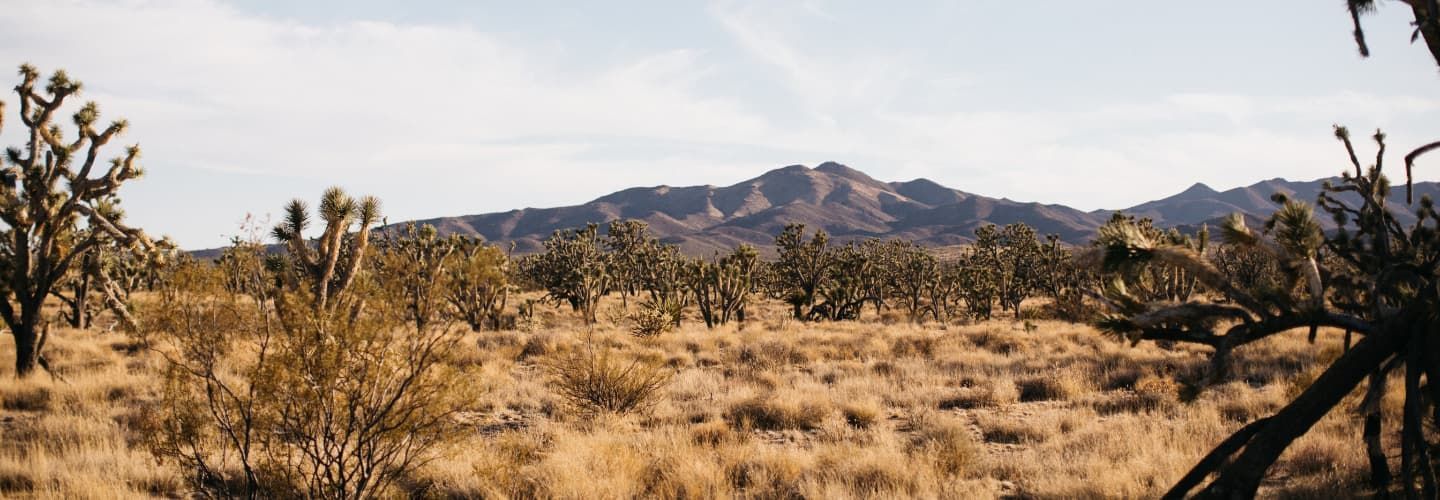
Washington, D.C. - Today, President Joe Biden designated Avi Kwa Ame (Ah-VEE kwa-meh) in Southern Nevada and Castner Range in Texas as national monuments. In November 2022 during the annual White House Tribal Nations Summit, President Biden announced his intention to designate Avi Kwa Ame in Southern Nevada as a national monument and last March, Interior Secretary Haaland visited Castner Range in Texas. Today, the President honored his commitment to Tribal leaders, elected officials, businesses, recreationists, and local communities by designating Avi Kwa Ame and Castner Range as national monuments via the Antiquities Act. Below is a statement from Brian Sybert, Executive Director for Conservation Lands Foundation, in response to the President’s action on Avi Kwa Ame National Monument: “Today’s action by President Biden to designate Avi Kwa Ame a national monument honors the decades-long efforts to protect this sacred area and creates a corridor of protection from the Mojave Preserve in California to Lake Mead National Recreation Area on the Arizona/Nevada border. “We are grateful President Biden heard the calls of Tribal leaders; federal, state and local governments; businesses; and advocates from Indigenous, outdoor recreation, conservation and many other communities to permanently protect this sacred landscape by use of the Antiquities Act. “We are thrilled Avi Kwa Ame will now be a part of the National Conservation Lands, alongside some of the most spectacular natural, historical, cultural and archaeological sites in the country, including places like Bears Ears and Grand Staircase Escalante which President Biden helped restore early in his administration. We look forward to continuing to work with his administration, our Friends Grassroots Network, Tribal nations and elected officials to designate other places worthy of protection. “Avi Kwa Ame is home to Nevada’s largest Joshua Tree, critical desert tortoise habitat, and several sites of cultural and historic significance. Its designation as a national monument is a bold step forward towards achieving the goals of this Administration’s America the Beautiful goals.” The public can hear about the importance of Avi Kwa Ame National Monument from members of the Fort Mojave Indian Tribe and local community members at AviKwaAme.com . Learn more about Castner Range National Monument here . ####
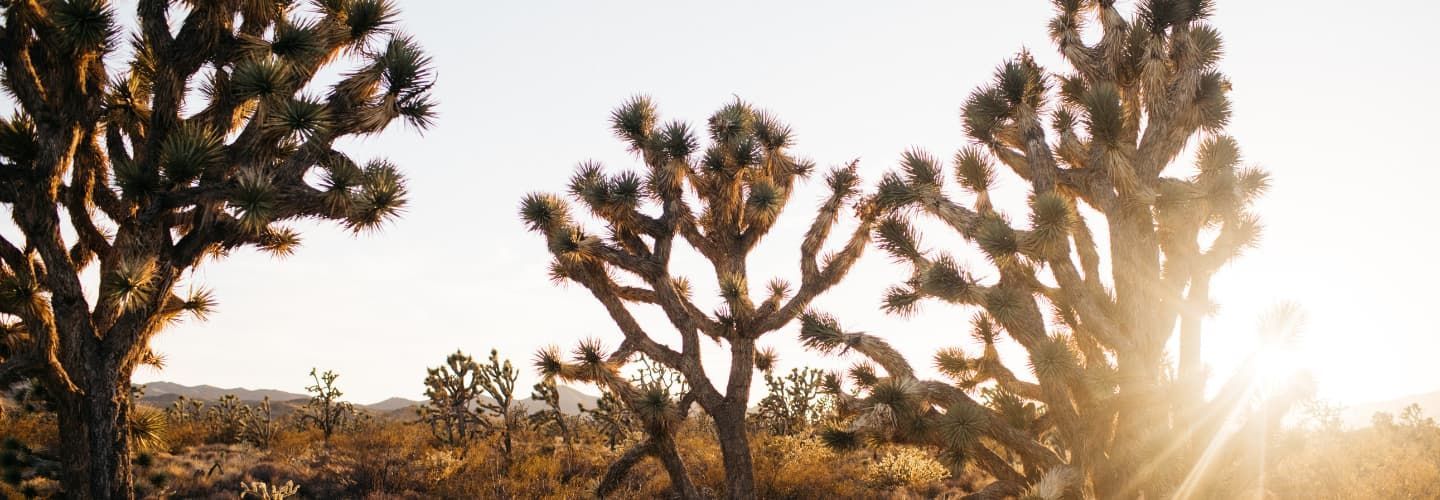
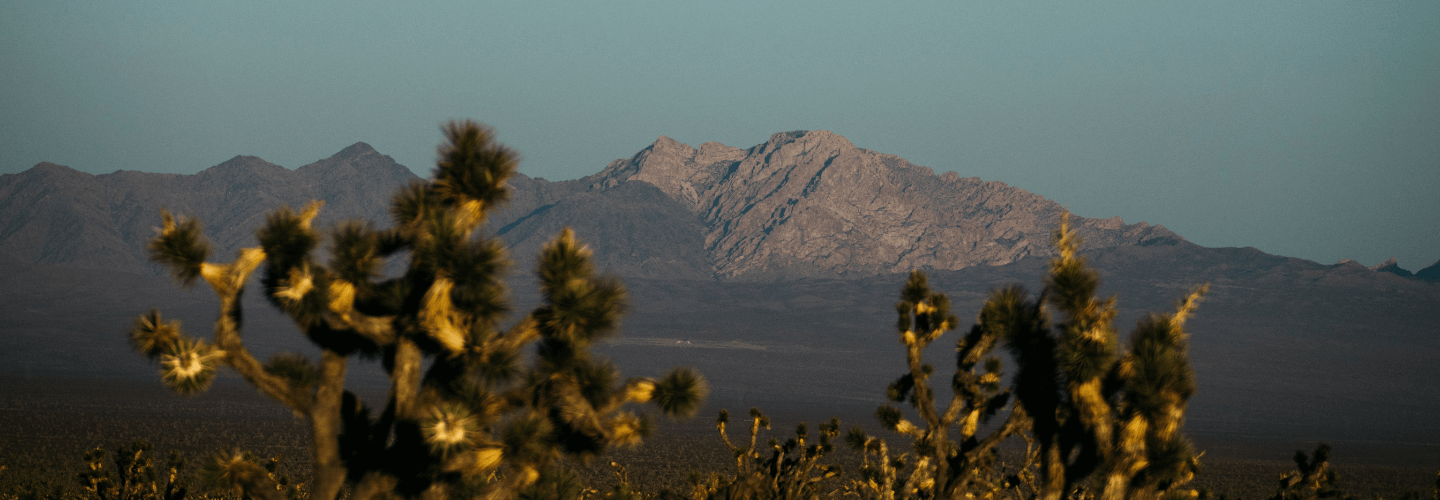
The original opinion piece was posted in the New York Times by Alex Schechter. To read the original piece click here . Less than two hours from Las Vegas, the sacred creation site for Yuman-speaking Native Americans may soon become a national monument. It’s been a long time coming. On a clear Saturday in November, I drove an hour south from my apartment in Las Vegas to reach the Joshua Tree Highway, a 10-mile corridor that cuts through the largest Joshua tree forest in the world. The ancient, tentacled trees were a bizarre sight, but my eye kept wandering toward the horizon where a peak known as Avi Kwa Ame , or Spirit Mountain, looms high over the Piute-Eldorado Valley in southern Nevada. It was midafternoon and in the distance the rock’s light crystalline granite radiated a rosy glow. Its presence was unmistakable. Laced with desolate canyons, Avi Kwa Ame is the mythical creation site for Yuman-speaking tribes like the Fort Mojave, Cocopah, Quechan and Hopi. Their stories place it at the center of the universe. Soon, it may become a national monument. On that November day, lush plumes of grass separated the squiggly Joshua trees, an unusual sight in such a hot, dry climate. In summer, temperatures in the Mojave Desert regularly soar above 100 degrees, but by late fall, it becomes a refreshing, if stark, haven. Before my trip, I’d spoken to Alan O’Neill, the former superintendent of Lake Mead National Recreation Area , who told me, “This landscape talks to you when you get close to it.” The giant boulders stuck out like warts among the prickly barrel cactuses and the sun-haloed cholla plants. It was hard to believe Las Vegas was just an hour up the road. The 500 miles of backcountry roads that encircle Avi Kwa Ame are mostly old transmission line maintenance routes, accessible to anyone with a four-wheel-drive vehicle. If you were to camp here (which the area’s overseer, the Bureau of Land Management, allows), you would have entire canyons to yourself. You would also get a sense of why Indigenous groups have fought for decades to safeguard this area. Conservation efforts began in 1999, when a 33,000-acre portion of Avi Kwa Ame was listed on the National Register of Historical Places. (In that application, tribal elders referred to the mountain as “the place where shamans dream.”) Large swaths of the desert were later classified as Areas of Critical Environmental Concern to protect the endangered desert tortoise. While these were important steps, they failed to account for the cultural worth of the entire valley — not just the mountain itself. As one tribal leader told Mr. O’Neill in the late 1990s: “You can’t separate the two.” Now it is hoped that a proposed 450,000-acre Avi Kwa Ame National Monument will connect this area to a wide corridor of parks and monuments that stretches from California all the way to the Colorado Plateau. Such protection would ensure the spiritual site is not tampered with and give travelers interested in Native American culture a new reason to venture beyond the Strip.
More Than Half a Million Acres of New Conservation Protections in National Defense Authorization Act
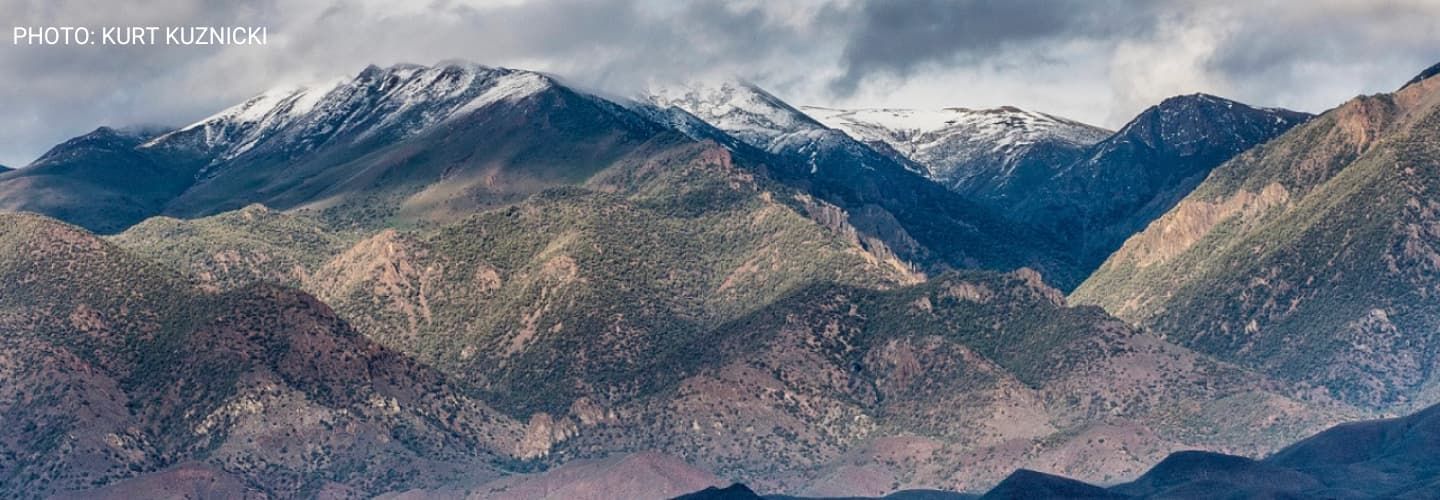
On Thursday, December 15, the U.S. Senate joined the U.S. House of Representatives (which voted 350-80 on December 8, 2022) in advancing to President Biden’s desk the James M. Inhofe National Defense Authorization Act for Fiscal Year 2023 that includes key public land conservation designations for Nevada. The conservation designations, roughly 560,000 acres in Nevada, were the only public land conservation protections included in the NDAA. The new designations include the Numunaa Nobe and Pistone-Black Mountain National Conservation Areas; Clan Alpine Mountains, Desatoya Mountains, and Cain Mountain Wilderness; and Numu Newe Special Management Area. The defense bill also includes key provisions for military readiness with the Fallon Naval Air Station expansion; economic development opportunities for Churchill and Lander counties; and financial mitigation and reservation expansions for the Walker River Paiute and Fallon Paiute-Shoshone Tribes. Senator Catherine Cortez Masto, Senator Jacky Rosen, and Representative Mark Amodei worked over several years alongside the Fallon Paiute Shoshone and Walker River Paiute Tribes, the U.S. Navy and local Counties to craft the compromise.
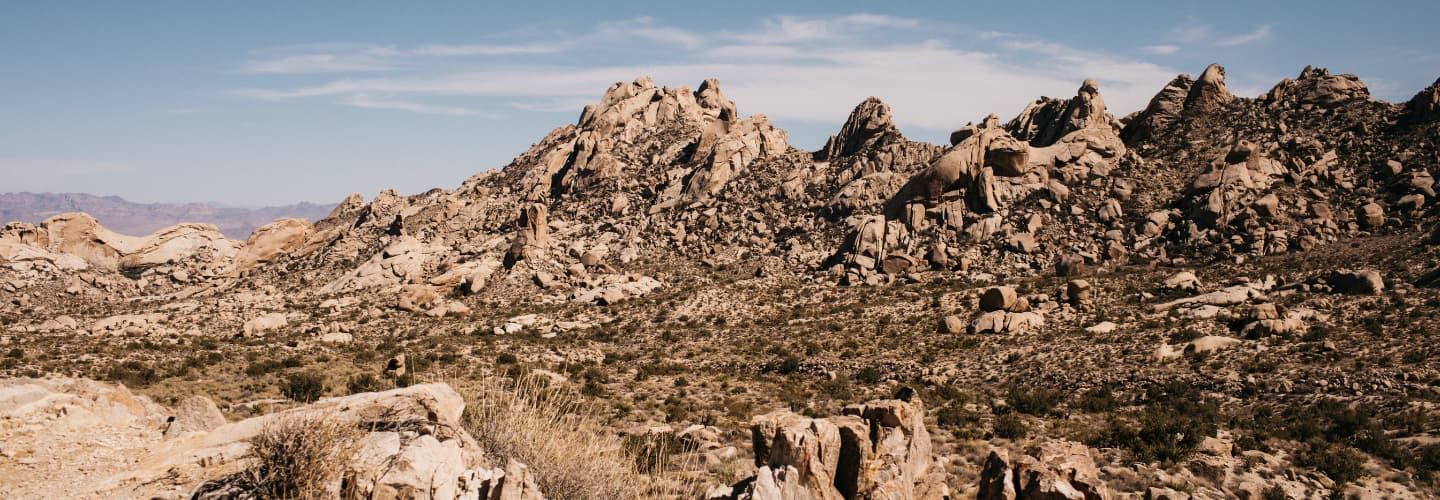
Washington, D.C. - Today, President Joe Biden committed to designating Avi Kwa Ame (Ah-VEE kwa-meh) a National Monument in Southern Nevada during the 2022 White House’s Tribal Nation’s Summit. The President’s anticipated use of the Antiquities Act would protect an area sacred to ten Yuman speaking tribes (the Mohave, Hualapai, Yavapai, Havasupai, Quechan, Maricopa, Pai Pai, and Kumeyaay) as well as the Hopi and Southern Paiute. Below is a statement from Brian Sybert, Executive Director for Conservation Lands Foundation, in response to the President’s promise to designate Avi Kwa Ame a national monument: “Today’s commitment by President Biden to designate Avi Kwa Ame honors the decades-long efforts of Tribes, local and regional governments, and advocates from Indigenous, outdoor recreation, conservation and many other communities. Avi Kwa Ame, the Mojave name for Spirit Mountain and the surrounding area, is the point of creation for ten Yuman-speaking Tribes and sacred to the Southern Paiute and Hopi tribes. The roughly 450,000 acres to be designated would connect the Mojave desert from the Mojave Preserve in California to Lake Mead National Recreation Area on the Arizona/Nevada border. This type of connectivity is key to achieving the goals of the Biden Administration’s America the Beautiful effort, and will lead to increased resiliency for the region in the face of the climate and biodiversity crisis. We are excited to have Avi Kwa Ame National Monument joining the National Conservation Lands, America's newest designation of publicly-owned lands with some of the most spectacular natural, historical, cultural and archaeological sites in the country, and look forward to continuing to work with the Biden Administration, our Friends Grassroots Network, Tribal nations and local elected officials to protect and expand National Conservation Lands across the country.” You can hear about the importance of Avi Kwa Ame National Monument from members of the Fort Mojave Indian Tribe at AviKwaAme.com . ####
Las Vegas —Today the U.S. Senate Energy and Natural Resources Subcommittee on Public Lands, Forests, and Mining considered several public lands bills–including the largest public land conservation bill in Nevada history–that protect, restore and expand public lands that are vital for the health of the planet and America’s communities. The Conservation Lands Foundation supports five of the bills heard and released the following statement from Jocelyn Torres, Las Vegas-based Senior Field Director who testified at the subcommittee hearing: “America’s public lands are vital to addressing the climate, biodiversity and public health crises. The choice before all of us is whether we are going to conserve and protect our public lands in order to protect ourselves and our future. These bills introduced by Senators from Nevada, New Mexico and Colorado are a big and needed step forward. We thank Subcommittee Chair Cortez Masto for inviting us to express our support for these conservation priorities and for being a conservation champion for Nevadans and Americans alike. We urge all members of the Senate Energy and Natural Resources Committee to support and swiftly pass these critical public lands bills.” The five bills supported by Conservation Lands Foundation heard today are as follows: Southern Nevada Economic Development and Conservation Act ( S. 567 ), sponsored by Senators Catherine Cortez Masto and Jacky Rosen of Nevada, is the largest land conservation bill introduced in Nevada history with enhanced protections for Red Rock Canyon National Conservation Area and the Desert National Wildlife Refuge. Ruby Mountains Protection Act ( S. 609 ), sponsored by Senators Catherine Cortez Masto and Jacky Rosen of Nevada, prohibits oil and gas development in the Ruby Mountains and enhances protections for the Ruby Lake National Wildlife Refuge. The Colorado Outdoor Recreation Economy (CORE) Act ( S.173 ), sponsored by Senators Michael Bennet and John W. Hickenlooper of Colorado, protects over 400,000 acres of public land, establishing new wilderness, recreation, and conservation areas, and safeguarding existing outdoor recreation opportunities. The Cerro de la Olla Wilderness Establishment Act ( S. 177 ), sponsored by Senators Martin Heinrich and Ben Ray Lujan of New Mexico, establishes the Cerro de la Olla Wilderness area within the Río Grande del Norte National Monument in northern New Mexico. The Pecos Watershed Protection Act ( S. 182 ), also sponsored by Senators Martin Heinrich and Ben Ray Lujan of New Mexico, protects portions of the Pecos Watershed in northern New Mexico from all mineral development. ####
Las Vegas, Nevada —Today U.S. Senator Catherine Cortez Masto (D-Nevada) and House Representative Dina Titus (D-Las Vegas) introduced the Southern Nevada Economic Development and Conservation Act , the largest land conservation bill in Nevada history. The bill has bi-partisan support and its co-sponsors include Nevada congressional delegation members Senator Jacky Rosen (D), Representative Susie Lee (D), Representative Steven Horsford (D), and Representative Mark Amodei (R). Conservation Lands Foundation released the following statement from Jocelyn Torres, Las Vegas-based Senior Field Director: “The ultimate passage of the Southern Nevada Economic Development and Conservation Act will be historic. We thank Senator Catherine Cortez Masto and Representative Dina Titus for leading on permanent protections for almost two million acres of our state’s natural landscape–including these additions to America’s National Conservation Lands: Protect more than 1.6 million acres of wilderness through new wilderness designations and additions to existing wilderness areas. Establish more than 350,000 acres of Special Management Areas to protect, conserve, and enhance the habitat of endangered species, such as the Mojave Desert Tortoise. Expand Southern Nevada’s crown jewel–Red Rock Canyon National Conservation Area–by more than 50,000 acres. Enhance protections for the Desert National Wildlife Refuge. “It will conserve lands that people love to explore at a time when there is unprecedented interest in the outdoors: between March and April 2020, the Bureau of Land Management and other public lands in Clark County saw a 400% increase in visitors . “This legislation is a bold step towards achieving America’s goal to protect 30% of our land and water by 2030 to help mitigate the climate and biodiversity crises. This legislation will also provide much needed economic diversification, affordable housing solutions, and a new source of funding for local development and implementation of Nevada’s sustainability and climate initiatives. “We and our Nevada network of community-based advocates are ready to work with Senator Cortez Masto and the state’s Congressional delegation to move this bill forward.” ####