
Search results for 'congress' (47)
Letter From Our Chief Communications Officer National Public Lands Day reminds us how much these places need our care. This year, our Friends Grassroots Network celebrated with trail work, cleanups, and community gatherings, and more events are coming this fall. Thank you to everyone who showed up! That care matters more than ever. In this issue, you'll find out how to speak up for the Western Arctic before Nov. 9, get a first look at our new Public Lands Attack Tracker, and see why mining claims are already landing in Bears Ears. We're also inviting you to find moments of joy, make a plan to vote in the November election, and more.
In this issue, we provide an update on our fight to defend Bears Ears and Grand Staircase-Escalante national monuments; a wrap-up of the Interior Department’s wilderness review comment period; and much more!
In this issue, we're covering the administration’s accelerated effort to unwind decades of conservation progress.
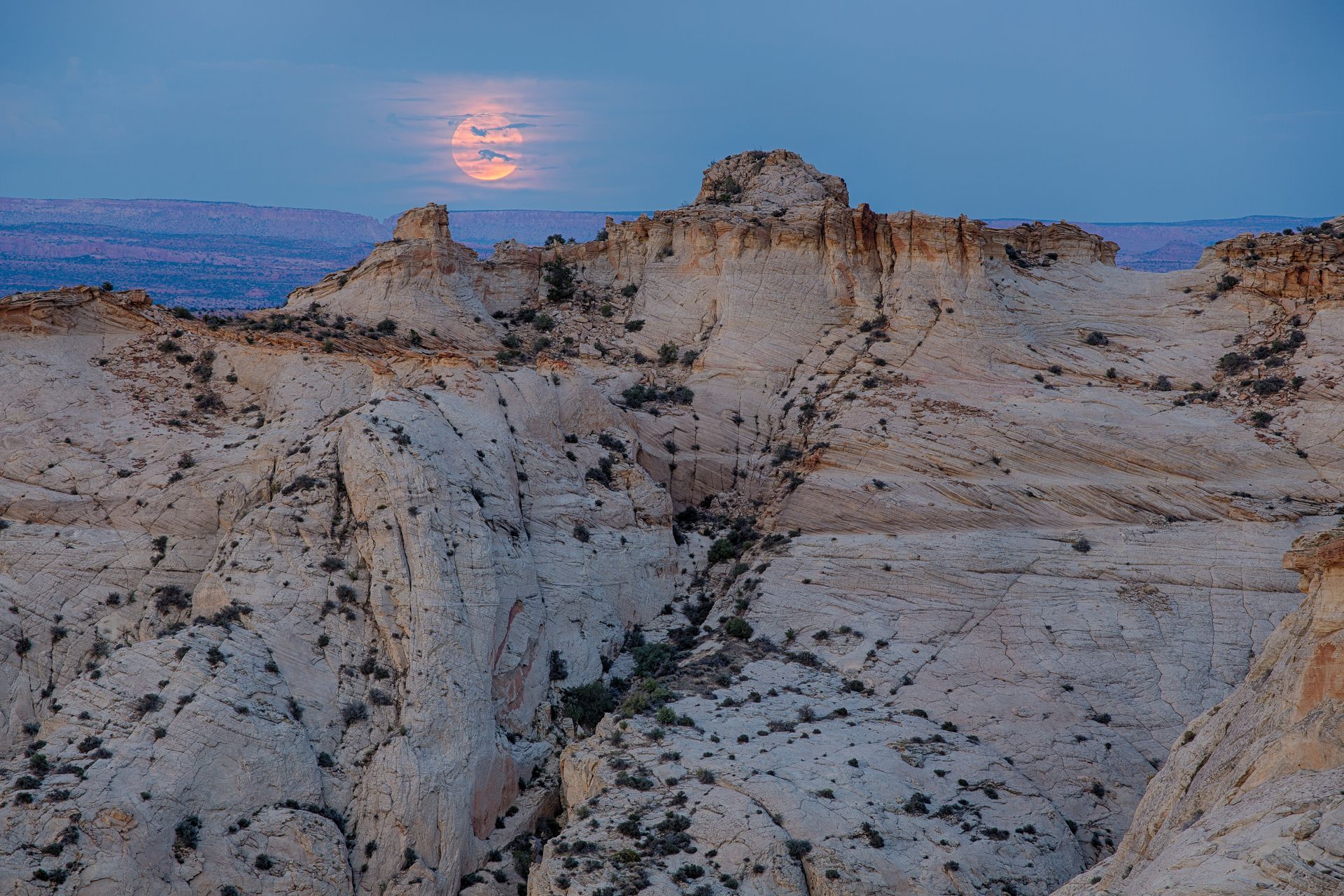
The resolution, which essentially erases years of local and Tribal input and puts Congress in charge of the national monument in southern Utah, is now subject to a 60-vote threshold for passage should it be considered in the Senate.
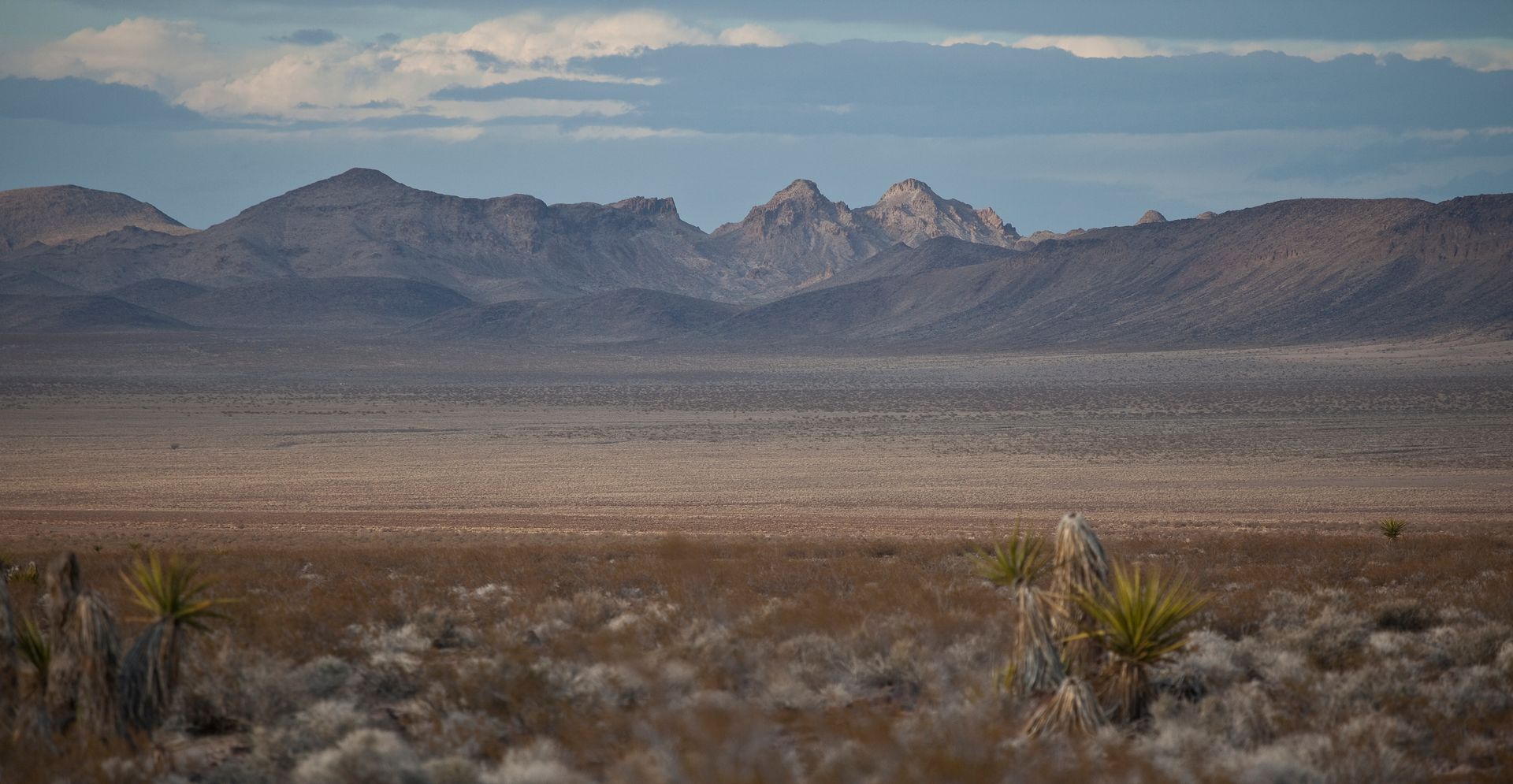
Sloan Canyon National Conservation Area, which protects more than 48,000 acres of Southern Nevada’s Mojave Desert, was expanded by nearly 9,300 acres with the signing by President Trump of the Sloan Canyon Conservation and Lateral Pipeline Act (H.R. 972).

Today’s approval by the U.S. Senate of Steve Pearce as Director of the Bureau of Land Management brings alarming indications for the future stability and durability of public land protections.
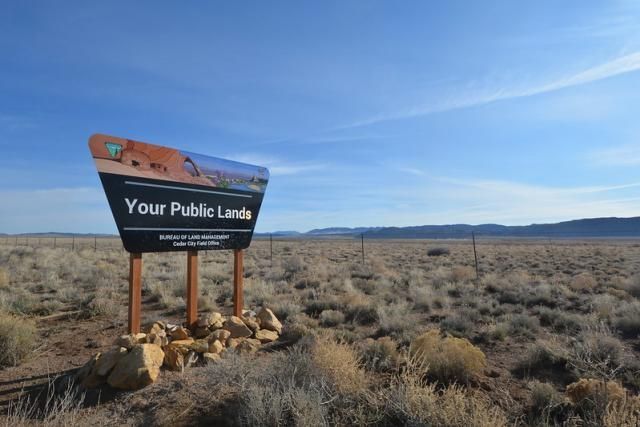
FOR IMMEDIATE RELEASE - May 11, 2026 Contact: Kris Deutschman kris@conservationlands.org 916-425-7174 WASHINGTON, D.C. — Today, the Trump administration repealed the Conservation and Landscape Health Rule (Public Lands Rule), the Bureau of Land Management’s (BLM) rule confirming that conservation is on equal footing with extractive uses, like oil and gas drilling and mining. Below is a statement from Chris Hill, CEO of the Conservation Lands Foundation, which represents a national network of community advocates who are solely focused on the National Conservation Lands managed by the Bureau of Land Management. “Public lands are the people’s lands and this move is another strategy to gaslight the public and ultimately give these lands away. They’ve stripped away the tools that ensure conservation is a core mandate on public lands managed by the Bureau of Land Management. “The Bureau of Land Management is required by law to balance multiple uses for the benefit of the public. Instead, this move gives the administration greater leeway to ignore the health of our country’s lands, water sources, wildlife habitats, and ways of life and it locks the public out of their favorite places to hike, fish, and camp with their families. “The Public Lands Rule brought balance to the management of the country’s public lands and waters in the U.S., and is overwhelmingly popular: 92% of public comments submitted during the robust public comment process supported it. And the vast majority of Westerners across the political spectrum want their elected officials to protect more clean water sources and wildlife habitat, and provide more opportunities to visit and recreate. “Simply put, this is just another move towards privatizing the public’s lands. The Conservation Lands Foundation will continue working tirelessly with local communities and lawmakers to ensure existing laws are followed to safeguard the health of public lands managed by the Bureau of Land Management and the public’s access to them.” About the Bureau of Land Management (BLM) The BLM manages nearly 250 million acres of public land–one in every 10 acres of land in the United States and approximately 30 percent of the nation’s minerals. These lands are managed for a variety of uses, including energy development, livestock grazing, recreation, and timber harvesting, while also ensuring the conservation of the country’s remaining natural, historical, and cultural resources. ####
Public land protectors went to Washington DC Capitol Hill to advocate for saving the Grand Staircase-Escalante National Monument. The group was comprised of local business owners from gateway towns near Grand Staircase and represented the bipartisan effort to keep the current 2025 Monument Management Plan in place.

FOR IMMEDIATE RELEASE March 4, 2026 Contact: Kris Deutschman, kris(@)conservationlands.org Kanab, UT / Washington, D.C. — In a dangerous first for America’s national monuments, Senator Mike Lee (R-UT) and Rep. Celeste Maloy (R-UT-02) today introduced joint resolutions to undo the Grand Staircase-Escalante National Monument Management Plan using the Congressional Review Act (CRA). The resolutions would effectively put Congress in charge of how the national monument in southern Utah will be managed, opening the door for other national monuments and public lands to have their management similarly undermined. The resolution seeks to use an obscure law, the Congressional Review Act, in a novel way to overturn a national monument management plan. If both chambers of Congress pass the legislation, called a “resolution of disapproval,” by simple majority votes, the monument management plan will be eliminated and the Bureau of Land Management (BLM) will be barred from issuing another plan that is “substantially the same” in the future. This action also threatens the integrity of national monuments and public land protections across the country. Reaction from national monument and local business advocates below: Chris Hill, CEO of the Conservation Lands Foundation, which represents a nonpartisan, national network of community advocates solely focused on the public lands overseen by the Bureau of Land Management: “Grandstanding on the back of Grand Staircase-Escalante National Monument to appease a select few who want to kick the public out of public lands willingly ignores local communities, business owners, and Tribes who support and rely on the balanced management of national monuments. It also ignores the overwhelming majority of voters in Utah and across western states who want Congress members to protect these places. It’s a Congressional power grab of the country’s national monuments and public lands, plain and simple, and Americans of all political identities will fight like hell to stop it.” Jackie Grant, Executive Director of the Grand Staircase Escalante Partners, which is the local nonprofit that helps steward the national monument through science, conservation, and education: “Using the Congressional Review Act as a tool to amend land management plans eliminates the public’s voice and is a colossal waste of taxpayer dollars. It sets off a domino effect of chaos across all of our public lands. There was plenty of opportunity for many hundreds and thousands of voices to be heard—from the local level all the way up to the national level. As a local organization, we will continue to stand with our neighbors, Tribes, educators, and conservation partners to protect this landscape and ensure it is managed for future generations.” Nate Waggoner, Escalante, Utah resident and Board Chair at the Grand Staircase Regional Guides Association, which represents a regional network of outdoor guides who rely on the national monument for their local businesses: “We’ve been operating our business here for 22 years, we’ve made long-term investments in our community. Having our land use plans destroyed or taken away by the Congressional Review Act throws all of those investments into chaos. We need those long-term permits so we can continue to make long-term financial investments in our communities. This sets a horrible precedent for the future for all of the public lands we live, love, and operate on.” Todd Tucci, Senior Attorney, Advocates for the West: “Congress is effectively playing legislative Russian roulette with a gun pointed to the head of America’s public lands. They’re breaking the system of public lands management wholeheartedly. This isn’t just about the southeast corner of Utah, it potentially impacts every inch of public lands. It impacts your favorite watering hole, your favorite fishing hole… where you walk your dog, where you take your kids hiking. There’s not an inch of public lands that is safe.” ### Background: The Resource Management Plan for Grand Staircase-Escalante National Monument was developed over years of public engagement, Tribal consultation, and scientific review to guide multiple-use and responsible management of one of the nation’s most significant cultural and natural landscapes . While the monument remains protected under Presidential Proclamation 10286 , which carries the full force of law, the Congressional maneuver injects uncertainty into monument stewardship and local economies that depend on outdoor recreation, and undermines the public process that has long governed how these treasured public lands are managed.
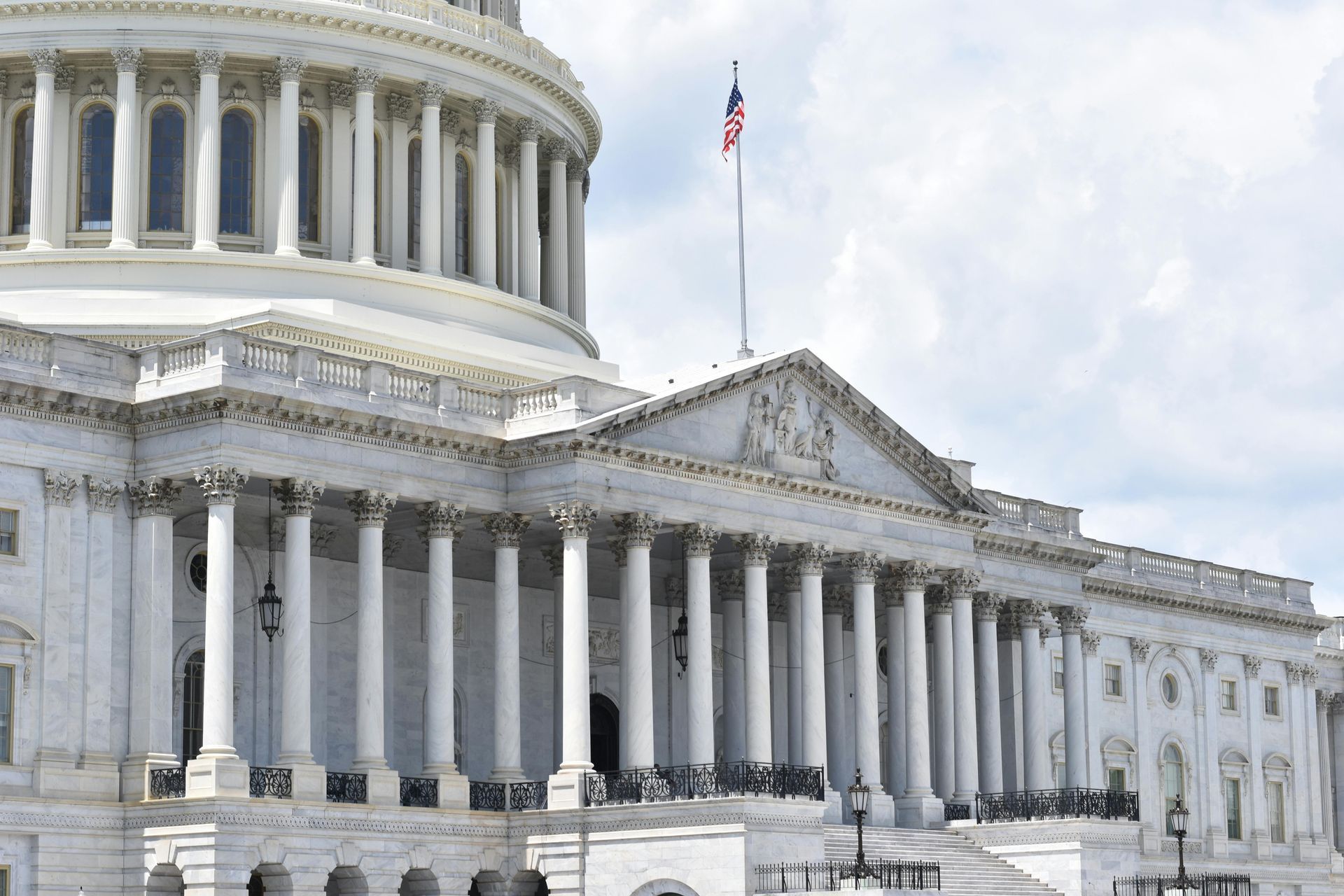
FOR IMMEDIATE RELEASE March 4, 2026 Contact: Kris Deutschman, kris(@)conservationlands.org HAINES, AK / WASHINGTON, D.C. — Today’s approval by the Senate Energy and Natural Resources Committee of Steve Pearce to be Director of the Bureau of Land Management brings his nomination to the next and final vote in the full Senate, and with that, strong reaction from the Conservation Lands Foundation. “The country deserves a BLM leader who not only understands the full scope of the agency’s charter to manage public lands for multiple uses but also believes in his heart, and in practice, that conservation must be on equal footing with all the other uses of the lands,” said Chris Hill, CEO of the Conservation Lands Foundation, which represents a nonpartisan, national network of community advocates solely focused on the public lands overseen by the Bureau of Land Management. “Simply put, he’s not the right person for this job. The Director of the BLM is tasked to be a neutral arbiter of our shared resources and Mr. Pearce’s recent testimony as well as his record in Congress supporting the sell off of America's public lands, his conflicts of interest with the oil and gas industry, and his efforts to reduce national monuments, demonstrate that he is the wrong candidate to lead this complex multiple-use agency. “Selling off, limiting the public’s access to, and eliminating protections of our public lands is wildly unpopular with the public, and we’ll be harnessing this passion to hold Mr. Pearce and senators who support his nomination accountable to the majority of people who live, work, and recreate on these lands and want them to remain healthy and accessible,” said Hill. About the Bureau of Land Management (BLM) The BLM manages one in every 10 acres of land in the United States and approximately 30 percent of the nation’s minerals. These lands are managed for a variety of uses, including energy development, livestock grazing, recreation, and timber harvesting, while also ensuring the conservation of the country’s remaining natural, historical, and cultural resources. ####

Conservation Lands Foundaiton's CEO Chris Hill joined Backcountry Hunters & Anglers' CEO Ryan "Cal" Callaghan to respond to Bureau of Land Management Director nominee Stevan Peace's confirmation hearing. Pearce declined to disavow his past support for selling public lands, including his statement that “most of it, we do not even need.” Asked if he had changed his position, Pearce said he was “not so sure” he had.
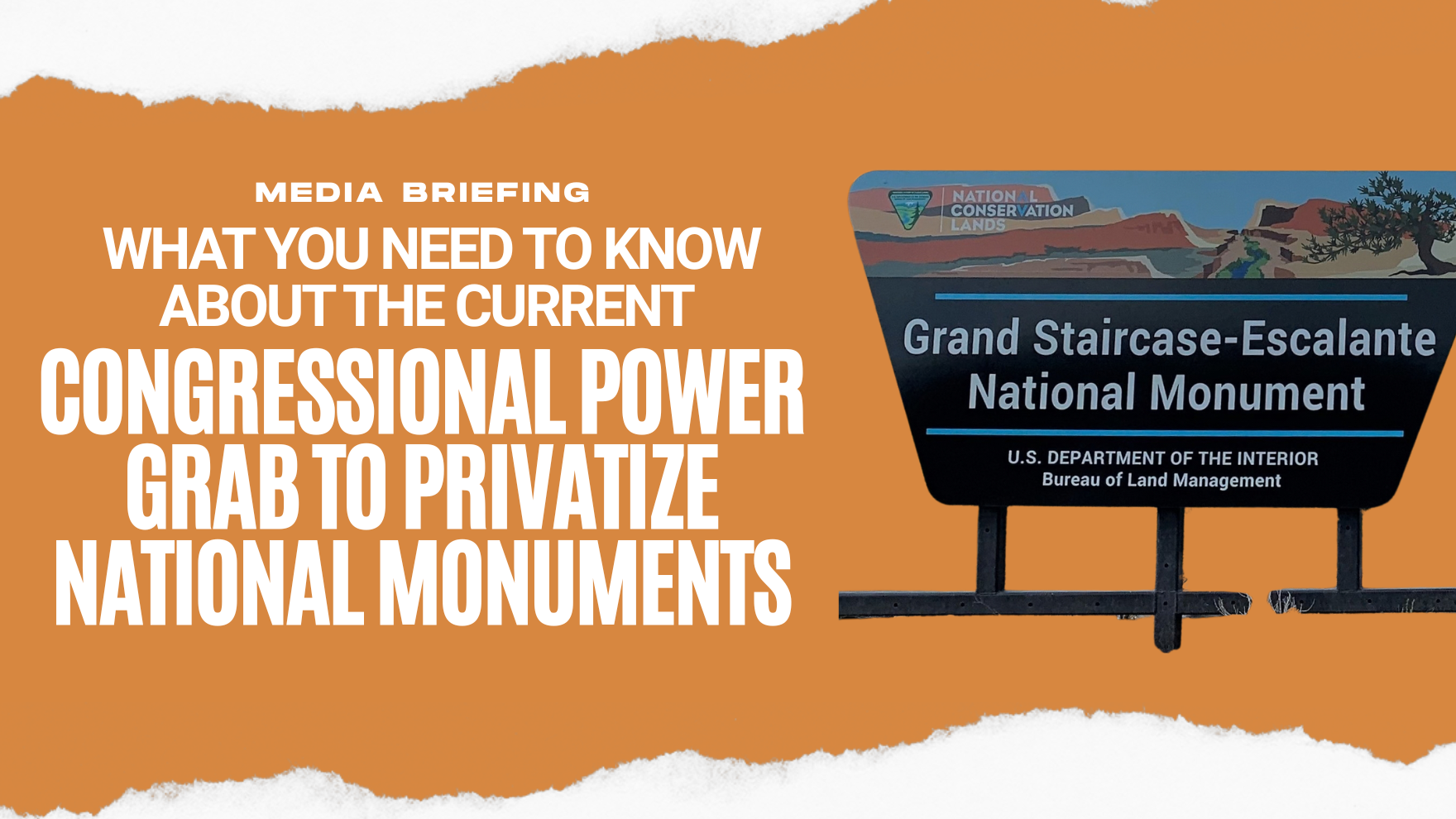
Conservation Lands Foundation and Partners Respond to Proposal to Gut the Management Plan for Grand Staircase Escalante National Monument
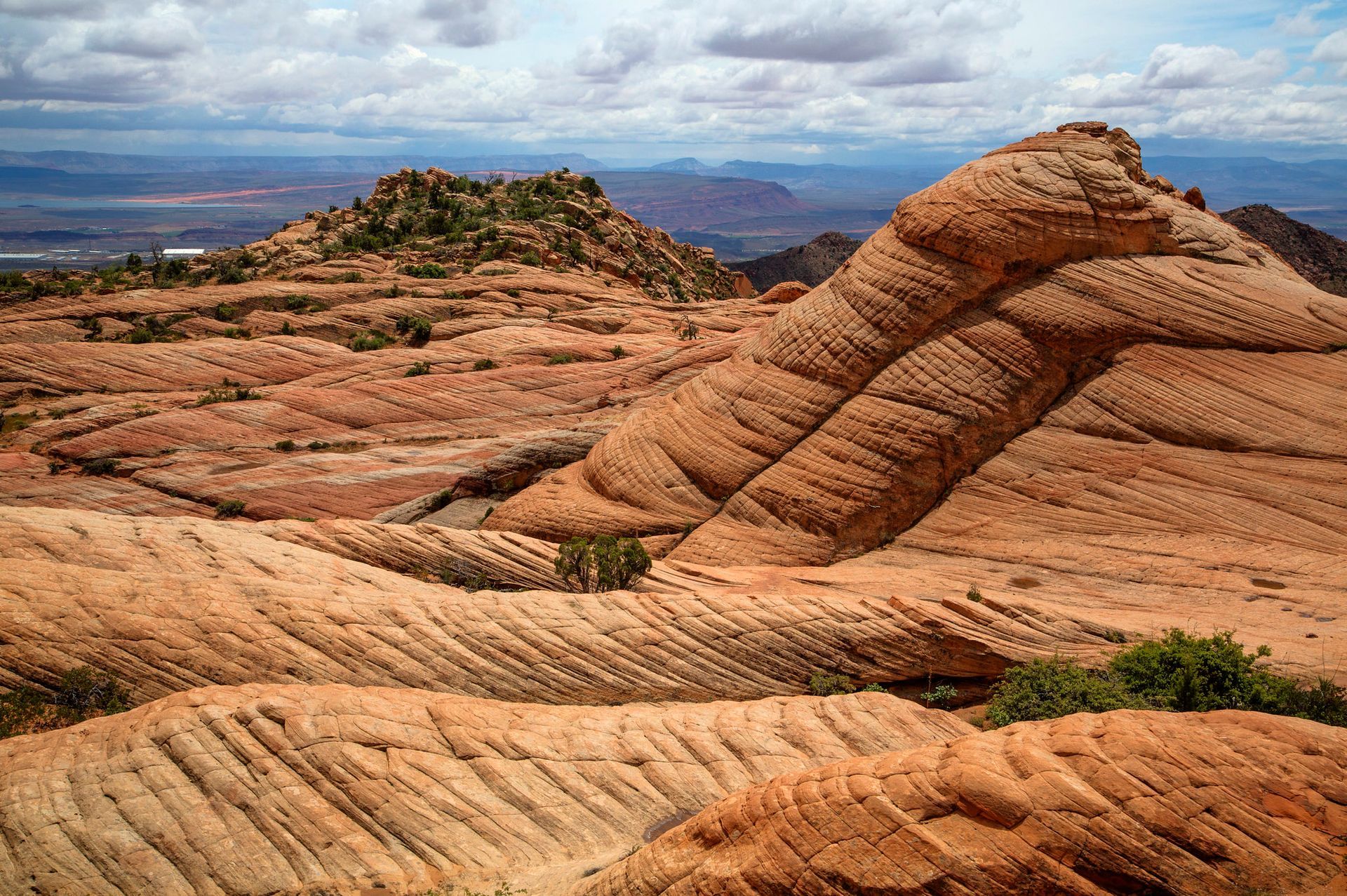
Your January public lands update: Read the latest and take action.
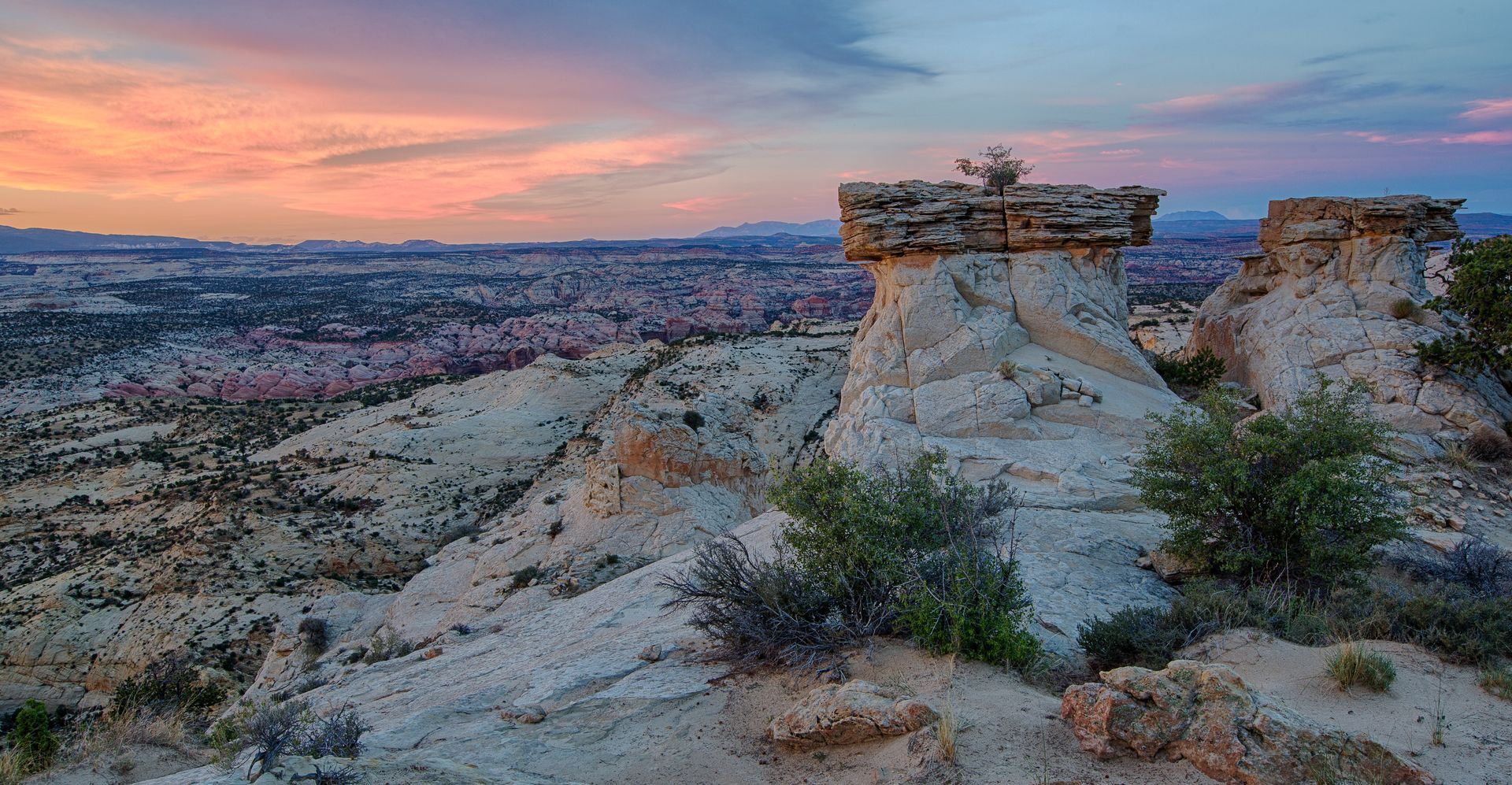
Congress is attempting to use the Congressional Review Act to remove a national monument management plan, a targeted attack on protected public lands in Utah and across the country.
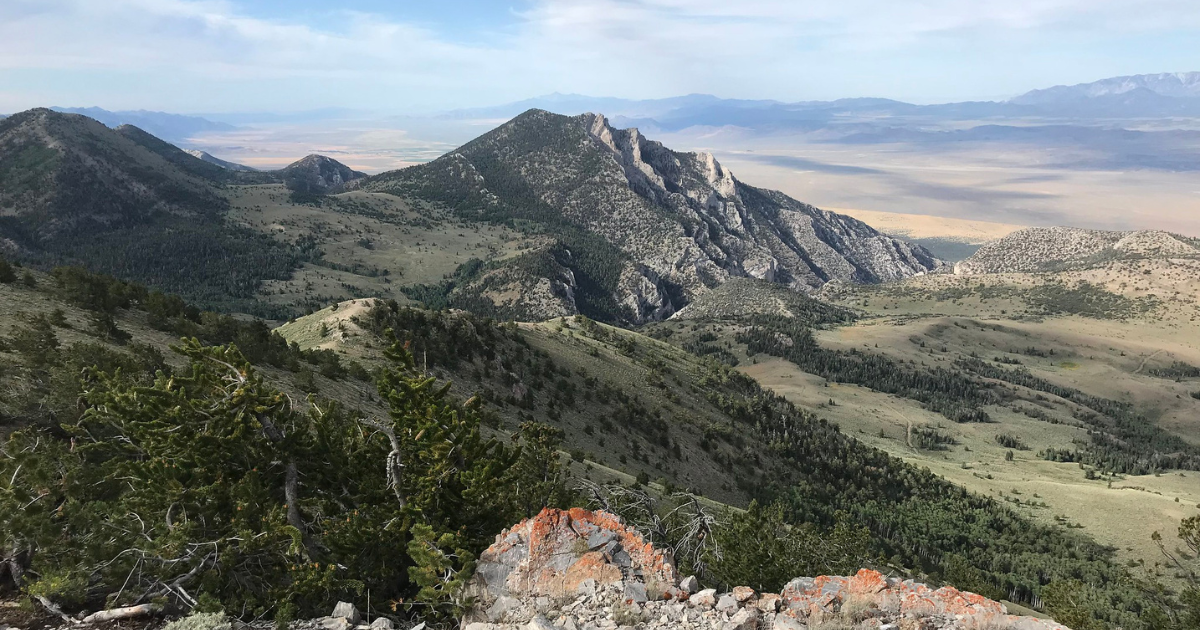
The Conservation Lands Foundation calls on Congress to reject the nomination of Stevan Pearce for Bureau of Land Management Director

FOR IMMEDIATE RELEASE JANUARY 6, 2025 Contact: Kris Deutschman, kris@ conservationlands.org Washington, DC - The bipartisan Fiscal Year 2026 Interior appropriations bill Congress will be considering in the coming days rejects the steep cuts the White House requested for the Bureau of Land Management (BLM) and management of National Conservation Lands, which include nearly 40 million acres of the country’s iconic national monuments, wild and scenic rivers, and other special public lands. The bill provides marginal reductions in funding for the BLM Lands and Resources account, while ensuring funding for the National Conservation Lands system is maintained at $59.135 million, equal to what was enacted in Fiscal Year 2025. Below is a statement from David Feinman, Vice President of Government Affairs of the Conservation Lands Foundation, which represents a national network of community advocates who are solely focused on the public lands overseen by the Bureau of Land Management including National Conservation Lands. "The Conservation Lands Foundation applauds Congress for delivering clear bipartisan, bicameral support for National Conservation Lands and rejecting the White House's proposed 75% cut to the management of these critical public lands. While the current funding is not enough to make up for decades of underinvestment, maintaining the current funding level for the National Conservation Lands system helps the BLM protect these iconic and irreplaceable natural landscapes and the public’s access to them. “We also applaud the inclusion of language in the bill that requires the BLM maintain staffing levels necessary to fulfill its multiple-use mission, including protecting natural and cultural resources, maintaining safe and appropriate access and recreation, conducting Tribal consultation, and managing the National Conservation Lands. “The truth is, BLM and the National Conservation Lands system have been chronically underfunded by Congress and understaffed for decades, and we remain concerned about the historical underinvestment to the nation’s largest public land manager and the conservation lands it stewards. “The agency needs meaningful funding increases to address decades of deferred maintenance, visitor services and resource protection, as well as to properly staff the agency to do this work. Nevertheless, we urge swift passage of the FY26 Interior funding bill, which at minimum provides stability for the agency to fulfill its mission.” ###
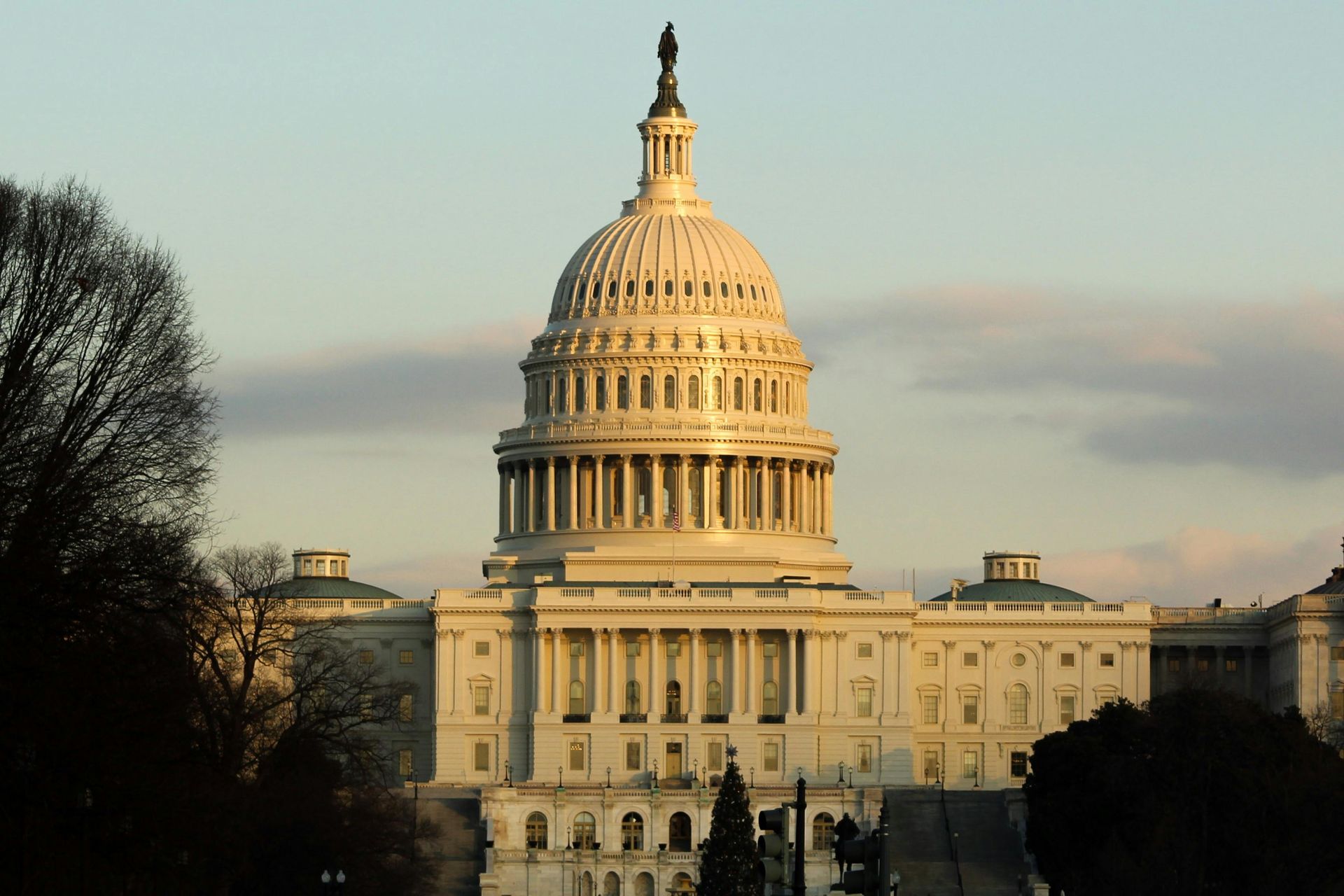
Washington, D.C. — The Senate Energy and Natural Resources Committee heard five conservation bills, which will enact much-needed new protections for public lands in Colorado, Nevada and New Mexico. Below is a statement from Chris Hill, CEO of the Conservation Lands Foundation, which represents a national network of community advocates who are solely focused on the public lands overseen by the Bureau of Land Management, including the National Conservation Lands: “We thank the champions in the Senate who introduced and continue to move forward these important bills that protect the public’s access to nature and essential wildlife habitats, while supporting Tribal culture and economies. It’s heartening to see the Senate advance meaningful public lands policy with the bipartisan support we know exists with their constituents. These bills include: S. 1005 Southern Nevada Economic Development and Conservation Act, sponsored by Senators Cortez Masto and Rosen of Nevada. S.764 Colorado Outdoor Recreation and Economy (CORE) Act, sponsored by Senators Bennet and Hickenlooper of Colorado. S. 1195 Pershing County Economic Development and Conservation Act, sponsored by Senator Rosen of Nevada. S. 1319 Pecos Watershed Withdrawal and S. 1476 M.H. Dutch Salmon Greater Gila Wild and Scenic River Act, both sponsored by Senators Heinrich and Luján of New Mexico. “These bills honor our collective commitments to strengthen our bonds with the lands we know and love and we urge the Senate Energy and Natural Resources Committee to ensure they are passed by the full Senate quickly.” ###
Washington — Six organizations sent a letter to the Acting Director of the Bureau of Land Management (BLM), warning that at least 5,033 oil and gas leases — covering nearly 4 million acres — may now be legally invalid. The letter asks the agency to halt all new leasing and permitting until it “ensure[s] compliance with the law and remed[ies] this grave legal uncertainty.” Ultimately, Congress must fix the legal crisis it created. The letter details how Congress' unprecedented use of the Congressional Review Act (CRA) to overturn BLM Resource Management Plans (RMPs) has called into question the legal efficacy of every land management plan finalized since 1996. These plans don't just guide management decisions; they enable everything that happens on public lands, from oil and gas drilling to recreation, grazing, and wildlife protection. If land use plans may now be invalid, then thousands of oil and gas leases and drilling permits issued under them may also be invalid Congress Was Warned About CRA Consequences When Republican members of Congress voted in October to use the CRA to overturn three RMPs in Alaska, Montana, and North Dakota, they ignored urgent warnings from conservationists, legal scholars, former BLM officials, and even some energy industry voices about the chaos this would unleash. The agency's own Solicitor’s Office cautioned that treating RMPs as “rules” could call into question the validity of every BLM plan since 1996 — along with the leases, grazing permits, rights-of-way, and other decisions based on those plans. Thirty leading law professors warned that this move could jeopardize “thousands of leases and management decisions across hundreds of millions of acres.” Former BLM leaders said overturning land-use plans under the CRA would “undermine the basis for authorizations” and create widespread legal uncertainty for energy developers, ranchers, and recreation permittees, threatening the integrity of the entire planning system. But Congress ignored these warnings — and is now moving ahead with even more CRA resolutions that will escalate the crisis. "By incorrectly treating land use plans as rules under the Congressional Review Act, Congress hasn't just overturned three plans — they've thrown every plan finalized since 1996, representing 166 million acres, into doubt. That mistake replaces a stable, science-based, community-driven system with needless chaos and uncertainty. It was lazy and irresponsible and is harmful to all land users," said Jocelyn Torres, chief conservation officer at the Conservation Lands Foundation. Along with the at least 5,033 existing leases, the legal uncertainty extends to future leasing. According to the letter, 69.8% of all BLM lands available for oil and gas leasing are managed under RMPs finalized after 1996 that were never submitted to Congress. BLM is currently evaluating 850 parcels totaling 787,927 acres across 14 upcoming lease sales on lands that may lack a valid RMP. This legal chaos affects far more than oil and gas. Land management plans for national forests, national parks, and national wildlife refuges finalized since 1996 may also be invalid, potentially calling into question grazing permits, timber sales, recreation authorizations, and wildfire management projects across hundreds of millions of acres nationwide. "Congress was warned repeatedly that weaponizing the CRA against land management plans would create exactly this kind of chaos. They charged ahead anyway, putting short-term political gain ahead of stable land management. Now they've jeopardized the very oil and gas development they claimed to be protecting. Congress must immediately fix the mess it made." said Alison Flint, senior legal director for The Wilderness Society . “Let’s be crystal clear: The Congressional Review Act is bad public policy. And it’s absolutely terrible public policy when used to overturn comprehensive public land planning decisions that radically reduces predictability for all public land users — in particular, as we have highlighted to the Bureau of Land Management, the oil and gas industry itself,” said Melissa Hornbein, senior attorney at the Western Environmental Law Center. “Congress lit the fuse on a legal time bomb that now calls into question the validity of thousands of oil and gas leases covering millions of acres as well as grazing permits and numerous other authorizations. But equally concerning, use of the CRA unravels decades of community-led land-use planning and throws into disarray the legal foundation for how our public lands are managed,” said Laird Lucas, executive director at Advocates for the West. “Congress’s use of the CRA to disapprove several Bureau of Land Management land use plans that were put in place following years of stakeholder and Tribal Nation input has sown confusion throughout the American West. This is not what Congress intended when it passed the CRA,” said Steve Bloch, legal director for the Southern Utah Wilderness Alliance. “As one of the principal architects of this newest line of attack on public lands, Sen. Daines opened Pandora’s Box. Using the Congressional Review Act to wipe out years of local work on Resource Management Plans is unprecedented, and it puts rural economies at risk, including the oil and gas industry. Inserting Congress into these processes threatens to unravel the foundations of public resource management and dismantle the systems that communities, businesses, and Montanans rely on. Congress is heading down a reckless path, yet another example of the pattern of attacks we’re seeing out of Washington D.C. on one of the most foundational aspects of Montana’s way of life: our public lands and resources,” said Aubrey Bertram, Staff Attorney & Federal Policy Director at Wild Montana.
Washington, D.C. — The U.S. House last night used the Congressional Review Act to consider and pass three resolutions undermining public lands protections in three areas in Alaska and Wyoming. The three resolutions are: S.J. Res. 80 – disapproving of the ‘‘National Petroleum Reserve in Alaska Integrated Activity Plan Record of Decision’’. H.J. Res. 130 – disapproving of the ‘‘Buffalo Field Office Record of Decision and Approved Resource Management Plan Amendment’’. H.J. Res. 131 – disapproving of the ‘‘Coastal Plain Oil and Gas Leasing Program Record of Decision’’. Below is a statement from Jocelyn Torres, Chief Conservation Officer of the Conservation Lands Foundation, which represents a national network of community advocates who are solely focused on the public lands overseen by the Bureau of Land Management (BLM), including the National Conservation Lands: “Today’s action by the U.S. House is part of a series of coordinated attempts to roll back common sense management of public lands. It’s simple - America’s public lands should be managed for the public good. These resolutions undermine the U.S. Bureau of Land Management’s authority to manage public lands for the benefit of all Americans, not just those who seek to buy up and close public lands to public access and benefit. “It is clear from the recent actions of this Congress to remove protections from key areas across the West that supporters of these actions are opponents of public lands. By removing the BLM’s authority to manage lands, these resolutions ensure that privatizing or industrializing them are the only viable remaining options. It’s a classic example of trying to solve a problem that was self-inflicted for the express purpose of achieving an outcome that benefits you. “We remain opposed to these one-sided, destructive attempts to roll back the clock on public lands protection and we’ll continue to work with members of the Friends Grassroots Network to oppose these obvious attempts to use public resources for private gain. We’ll continue to remind members of Congress that the overwhelming majority of Americans support responsible, effective, balanced management of the public lands.” ###
Washington, D.C. — In an unprecedented and alarming move for the country’s public lands, the U.S. Senate voted over the past two days to pass three Congressional Review Act (CRA) resolutions that overturn finalized, science-based Bureau of Land Management (BLM) land use plans that were developed over years of public engagement and stakeholder input. These plans—crafted with the involvement of local communities, Tribes, landowners, and land management professionals—were designed to ensure responsible, balanced use of public lands. This marks the first time the Congressional Review Act has been used to nullify land management plans, setting a dangerous precedent that threatens to destabilize how millions of acres of public lands are governed across the West. Specifically, the Senate passed resolutions of disapproval under the Congressional Review Act (or CRA) to strike down Resource Management Plans covering Central Yukon (AK) , Miles City (MT) , and North Dakota. All three passed in the House of Representatives in September. Below is a statement from David Feinman, Vice President of Government Affairs at the Conservation Lands Foundation, which represents a national network of community advocates who are solely focused on the public lands overseen by the Bureau of Land Management (BLM), including the National Conservation Lands: “This move is legally dubious and deeply irresponsible. Land use plans have never been considered ‘rules’ under the Congressional Review Act. To suddenly apply the CRA here—after these plans were developed through extensive public engagement—is a slap in the face to every community member, Tribal government, industry expert, and stakeholder who participated in good faith. “Let’s be clear: these plans weren’t drafted in a back room—they were shaped over years of broad stakeholder collaboration, public comment, and scientific review, and they balance many uses on the land. Overturning them by congressional decree thousands of miles from these landscapes not only disregards the substance of those plans, it also throws the entire land management system into chaos. Virtually every single BLM land use plan is now potentially at risk—and with them, every use authorized by those plans, from grazing and energy development to mining, outdoor recreation, and wildlife conservation. “This action doesn’t just hurt conservation—it hurts local economies and the ability of land users and communities across the West to know how public lands are being managed acre by acre. Everyone who cares about public land access, stewardship, and the multiple uses they provide the American people should be outraged by what’s happening here.” ###